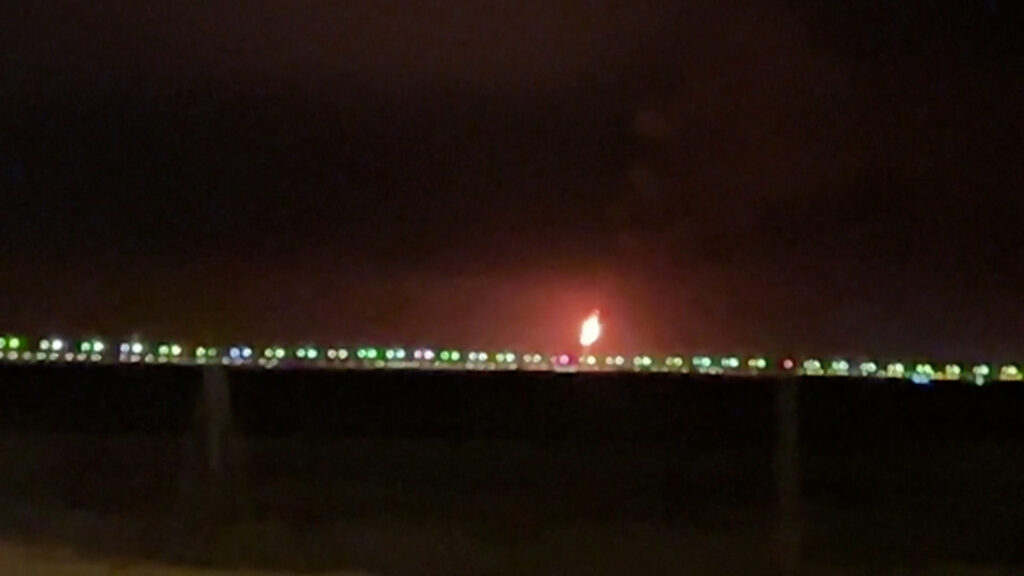
In a significant escalation of regional tensions, Iran has carried out attacks on Qatar’s main gas facilities as a direct retaliation following an Israeli strike on Iran’s principal gas field. This move underlines the increasingly volatile geopolitical landscape surrounding critical energy resources in the Middle East.
The conflict began when Israeli forces attacked one of Iran’s key gas extraction sites, a crucial component of Iran’s energy infrastructure. Iran responded by targeting Qatar’s principal gas operations, sending a strong message to both Qatar and Israel about the high stakes involved in this regional dispute.
Qatar is home to one of the world’s largest natural gas reserves, and its facilities play a pivotal role in the global energy market. The attack on its gas operations not only threatens Qatar’s economy but also has wider implications for energy supplies worldwide, potentially disrupting markets and causing fluctuations in gas prices.
Iran’s retaliation reflects the complex interplay of alliances and hostilities in the Middle East, where energy resources are often both a source of wealth and conflict. The region has long been a hotspot for political tension, and this development could further destabilize the already fragile situation.
Experts note that attacks on energy infrastructure are likely to provoke further retaliatory measures, raising concerns about a possible escalation into a broader conflict involving multiple countries. The international community is closely monitoring the situation, urging restraint and seeking diplomatic solutions to avoid uncontrolled escalation.
The economic impact of these attacks is significant. Qatar, which relies heavily on its natural gas exports, may face challenges in meeting its commitments to global energy markets. Meanwhile, disruptions to Iran’s gas production could have ripple effects on countries dependent on Iranian energy.
This incident highlights the strategic vulnerability of energy infrastructure in geopolitically sensitive areas and underscores the potential for regional conflicts to impact global energy security. It also brings attention to the need for enhanced security measures and international cooperation to protect critical energy assets.
Moving forward, the situation calls for heightened diplomatic efforts to address the root causes of the conflict and to establish frameworks that prevent attacks on essential energy installations. Failure to resolve these tensions could result in prolonged instability with far-reaching consequences for the Middle East and global energy markets.
In summary, Iran’s targeting of Qatar’s gas facilities in response to an Israeli attack on Iranian gas infrastructure represents a dangerous escalation in regional conflicts over energy resources. The unfolding events warrant careful observation and a concerted push for peaceful resolutions to maintain stability and energy security in a region pivotal to the world economy.