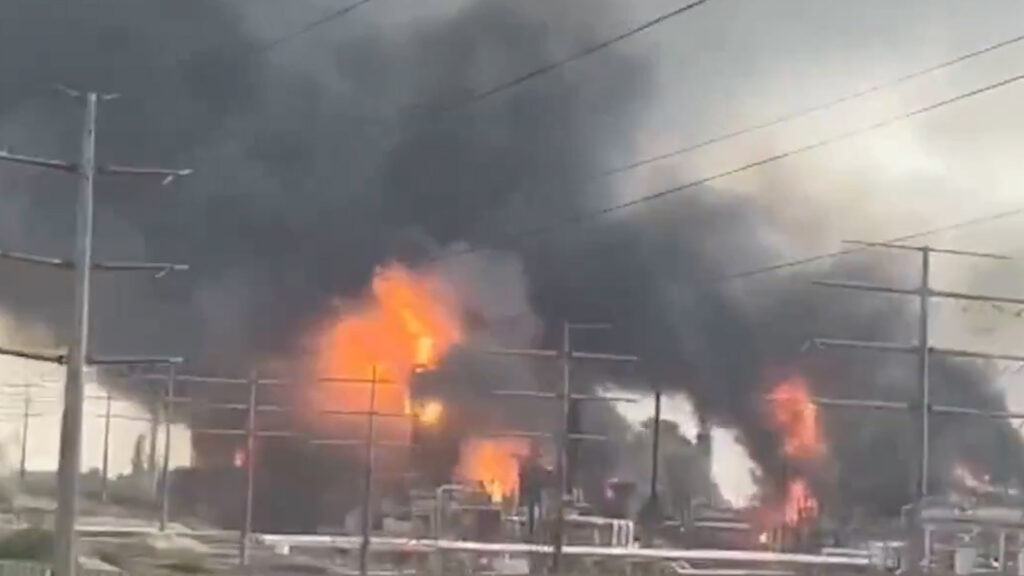
In a significant escalation of regional tensions, Israel has launched attacks on facilities within Iran’s major natural gas field, which is recognized as the world’s largest. The strike has sent shockwaves through the international community, highlighting the deepening conflict between the two nations.
The targeted gas field plays a critical role in Iran’s energy sector, contributing extensively to its economy and its energy exports. Iran’s natural gas reserves are among the largest globally, making the infrastructure a valuable national asset. The impact of the attacks is expected to disrupt operations and affect Iran’s gas production capabilities.
Israel’s motives behind the attack are believed to be linked to ongoing security concerns and geopolitical struggles in the Middle East. The region has witnessed numerous episodes of conflict involving these countries over issues such as nuclear development, military presence, and influence in neighboring countries.
This attack marks one of the most direct assaults on Iran’s energy infrastructure, a move that could provoke further retaliation. Analysts warn that this escalation might lead to increased military tensions and further destabilization in the region.
The international reaction has been one of cautious concern, with calls for restraint and diplomacy voiced by various global powers. The United Nations and several countries have urged both Israel and Iran to engage in dialogue to prevent further conflict.
Iran has condemned the attack as an act of aggression undermining regional peace and vowed to retaliate against those responsible. The situation remains volatile, with the potential for rapid developments in the coming days.
Energy markets have also responded to the news, with oil and gas prices experiencing fluctuations amid fears of supply disruptions stemming from the conflict. The attack underscores the vulnerability of critical energy infrastructure during geopolitical disputes.
Experts emphasize the importance of international mediation to avoid an all-out conflict that could have far-reaching implications beyond the Middle East. The global community watches closely as developments unfold, hoping for a de-escalation in this dangerous confrontation.
As the situation evolves, the priority remains on safeguarding civilian lives and infrastructure while pursuing diplomatic solutions to resolve the deeper regional issues fueling such escalations.