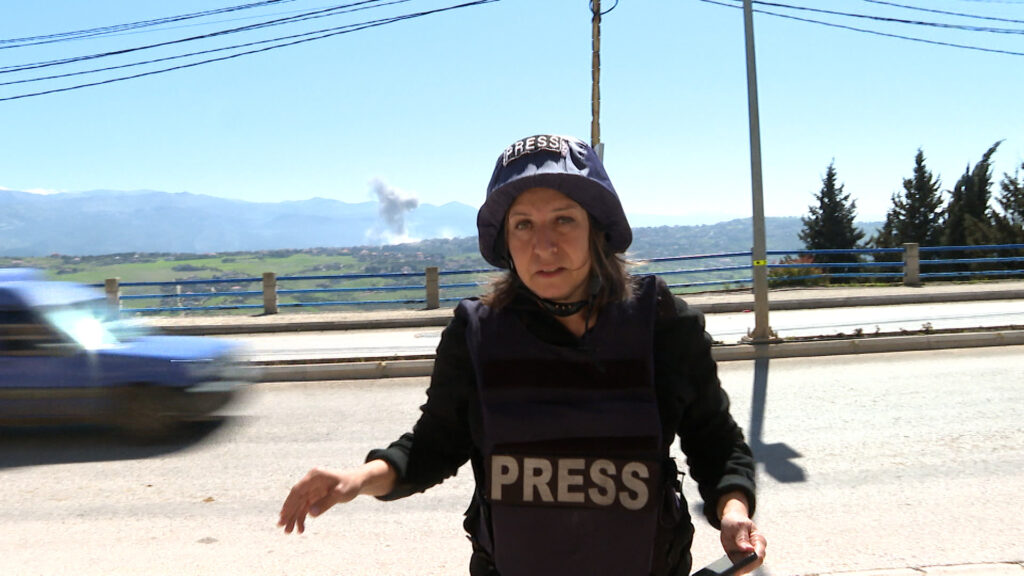
The Israeli military has escalated its operations by launching multiple waves of air raids across southern Lebanon. This development marks a significant intensification of military actions in the region, reflecting heightened tensions between Israel and militant groups based in Lebanon. Over recent days, the Israeli Defense Forces (IDF) have targeted various locations in southern Lebanon, aiming to dismantle infrastructure and weapons caches used by hostile forces. According to official statements, these air strikes are part of Israel’s efforts to curb cross-border attacks and ensure national security in the face of ongoing threats.
Southern Lebanon, often a flashpoint for conflict, has seen renewed violence as Israel responds strategically to rocket fire and other hostile activities. The air raids have reportedly targeted sites believed to be linked to militant organizations, including Hezbollah, which maintains a strong presence in the region. Analysts view these assaults as a message of deterrence meant to prevent further aggression and maintain a balance of power.
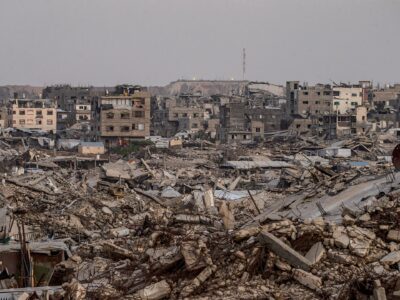
The impact of the bombardments has been significant, with reports emerging of damage to infrastructure and displacement of civilians in affected areas. Humanitarian concerns are mounting as international agencies call for restraint and urge both sides to avoid further escalation. The United Nations and other diplomatic bodies have condemned the violence and emphasized the need for dialogue to resolve underlying conflicts.
Israel’s military campaign follows a series of exchanges along the border, including rocket launches into Israeli territory that have heightened alert levels within Israel’s defense circles. The government maintains that these air strikes are defensive measures designed to protect its citizens and sovereignty.
Meanwhile, Lebanese authorities have condemned the Israeli air raids, labeling them as violations of Lebanon’s sovereignty and calls for international intervention. The situation remains fluid and continues to draw attention worldwide, as regional and global stakeholders monitor developments closely.
Historically, the southern Lebanon border region has been a hub for conflict due to the presence of armed groups opposing Israel. The recent barrage of air raids exemplifies the ongoing volatility and challenges in achieving a lasting peace. Both sides have suffered considerable losses over the years, and the cycle of retaliation has frequently disrupted the lives of civilians living in border areas.
The international community has expressed concern over the potential for a wider conflict stemming from these latest military actions. Calls for de-escalation and negotiations have intensified amid fears that the situation could spiral into more extensive warfare.
For now, the Israeli military continues its operations with a focus on targeting militant capacities, while diplomatic efforts seek to mediate tensions and prevent further deterioration of security in the region. The coming days will be critical in determining whether these air raids will lead to a deeper conflict or pave the way for renewed dialogue and peace initiatives.