The Iran war has intensified significantly as US and Israeli forces launched coordinated strikes across Tehran, escalating tensions in the region. These military operations coincide with a surge in drone activity near Riyadh, the capital of Saudi Arabia, raising concerns over the expanding theater of conflict.
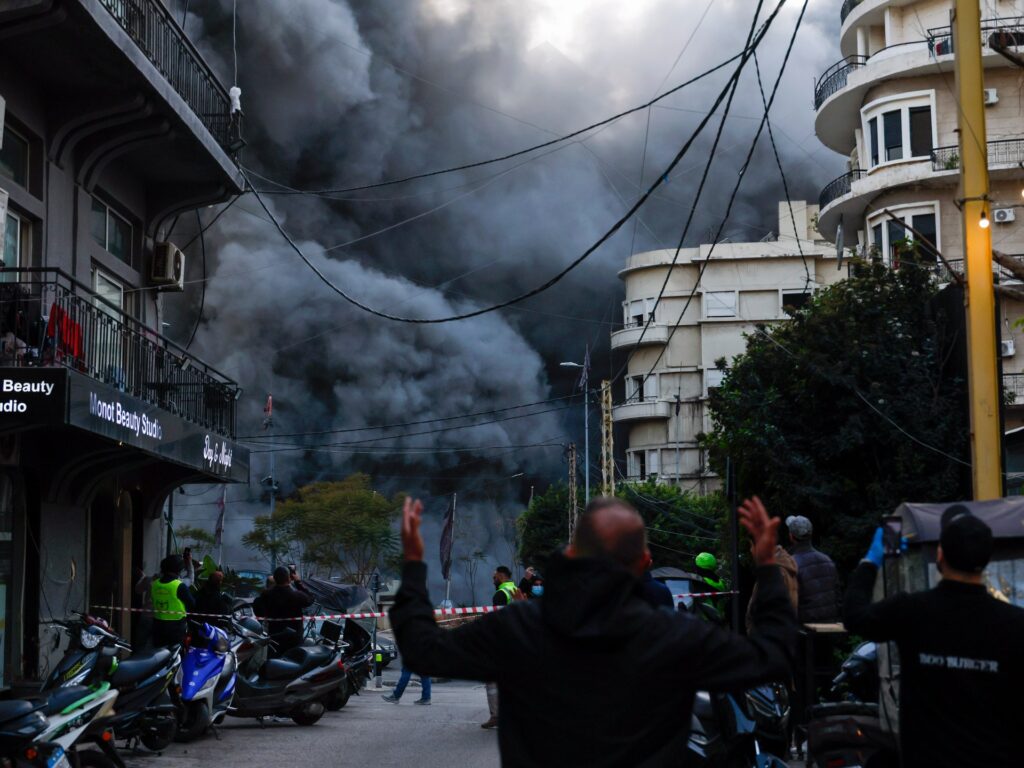
In Lebanon, Israeli airstrikes claimed the lives of dozens, among them five children, in a devastating attack on the village of Arki. The assault resulted in nine casualties, igniting widespread condemnation from human rights organizations and increasing fears of prolonged conflict.
The strikes on Tehran represent a bold move by US and Israeli forces, signaling a new phase in the ongoing war. The strategic targeting of Iranian military installations and infrastructure aims to weaken Iran’s operational capabilities and deter further aggression in the region.
Drone incursions near Riyadh suggest a widening of the conflict, with militant groups potentially seeking to destabilize Saudi Arabia. The Saudi government has since heightened its security measures, deploying advanced defense systems to intercept and neutralize the unmanned aerial threats.
Local and international observers warn that the escalation could spiral into a broader regional conflict, involving multiple nations beyond Iran, Israel, Lebanon, and Saudi Arabia. Diplomatic efforts are underway to broker ceasefires and de-escalate hostilities, but so far, progress remains limited.
The humanitarian impact of the strikes, especially the loss of innocent lives in Lebanon, has drawn sharp criticism from the global community. Calls for investigations into potential violations of international law and for the protection of civilians are intensifying.
Meanwhile, the populations in Tehran, Beirut, and Riyadh are bracing for continued uncertainty and unrest. The risk of collateral damage and further destabilization threatens to undermine the fragile peace in the Middle East.
As the situation unfolds, governments around the world are closely monitoring developments, preparing contingency plans, and urging restraint among the conflicting parties. The coming days will be critical in determining whether the conflict escalates further or diplomatic channels prevail to restore stability in the volatile region.