The ongoing Iran-Iraq conflict has taken a severe turn as Iraq has decided to shut down operations at its vital oil ports, a move that significantly impacts regional and global oil markets. This escalation comes amidst heightened tensions following recent military actions in the region.
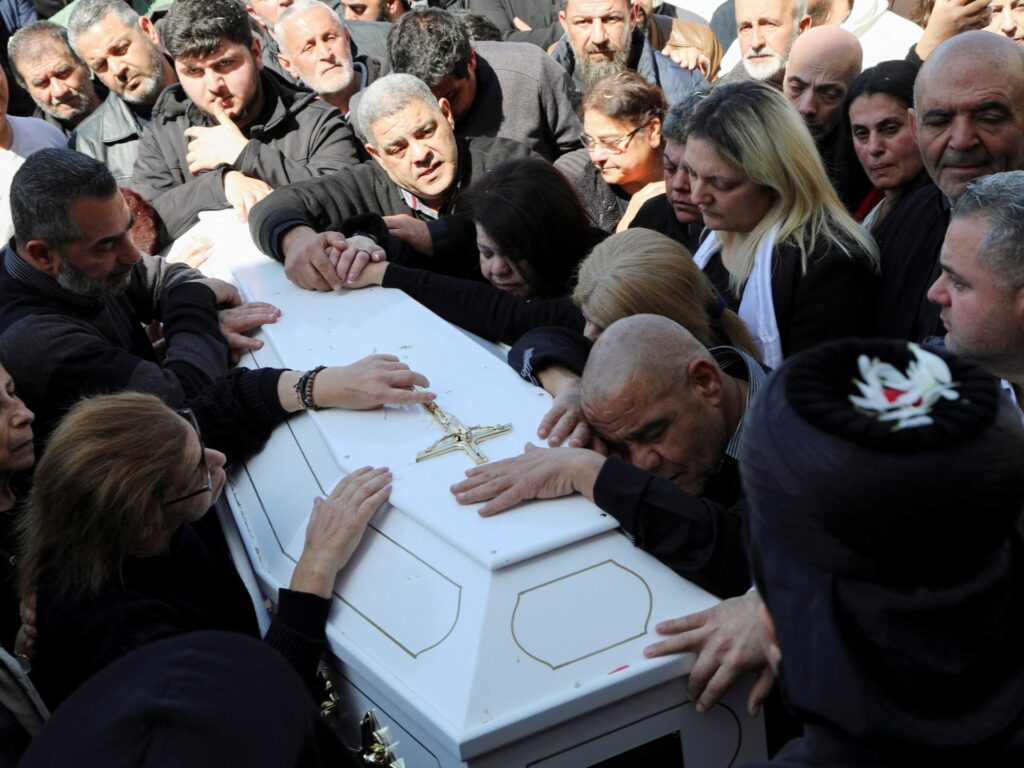
In a related development, Israel has conducted bombings in Beirut, Lebanon, further intensifying the volatile security landscape in the Middle East. These strikes have raised international concerns about the potential for a wider regional conflict.
Iran has issued a set of demands aimed at ending hostilities. The Tehran government insists on formal recognition of its rights in the region as a foundation for peace. Alongside this, Iran is calling for war reparations to be paid, seeking compensation for the damages suffered during the conflict period.
Moreover, Iran requires guarantees against future aggression to ensure long-term stability. These guarantees are central to any proposed ceasefire or peace agreement, signaling Iran’s prioritization of security assurances to prevent recurrence of conflict.
The closure of Iraq’s oil ports is expected to disrupt oil exports significantly, affecting global oil prices and the economies of numerous nations dependent on Middle Eastern oil. This disruption reflects the strategic use of economic leverage by Iraq in its dispute with Iran and underscores the intertwined nature of economic and military actions in this conflict.
International diplomatic efforts are underway to de-escalate the conflict and encourage dialogue between involved parties. However, with the recent military strikes and economic shutdowns, these efforts face substantial challenges.
Lebanon’s inclusion in the conflict through Israeli bombardments adds another layer of complexity, potentially drawing multiple nations into the fray and increasing the risk of widespread regional instability.
The global community watches closely as the situation develops, with calls for restraint and comprehensive negotiations aiming to restore peace and stability in the troubled region. The demands made by Iran highlight the deep-rooted issues that need addressing, including sovereignty, justice, and security guarantees.
As the conflict persists, the impact on civilian populations, infrastructure, and the regional economy continues to grow. Humanitarian concerns are rising, with urgent needs for aid and protection for affected communities.
The coming weeks are critical for determining whether diplomatic solutions can be effectively pursued or if the region will experience further escalations with broader implications for international peace and security.