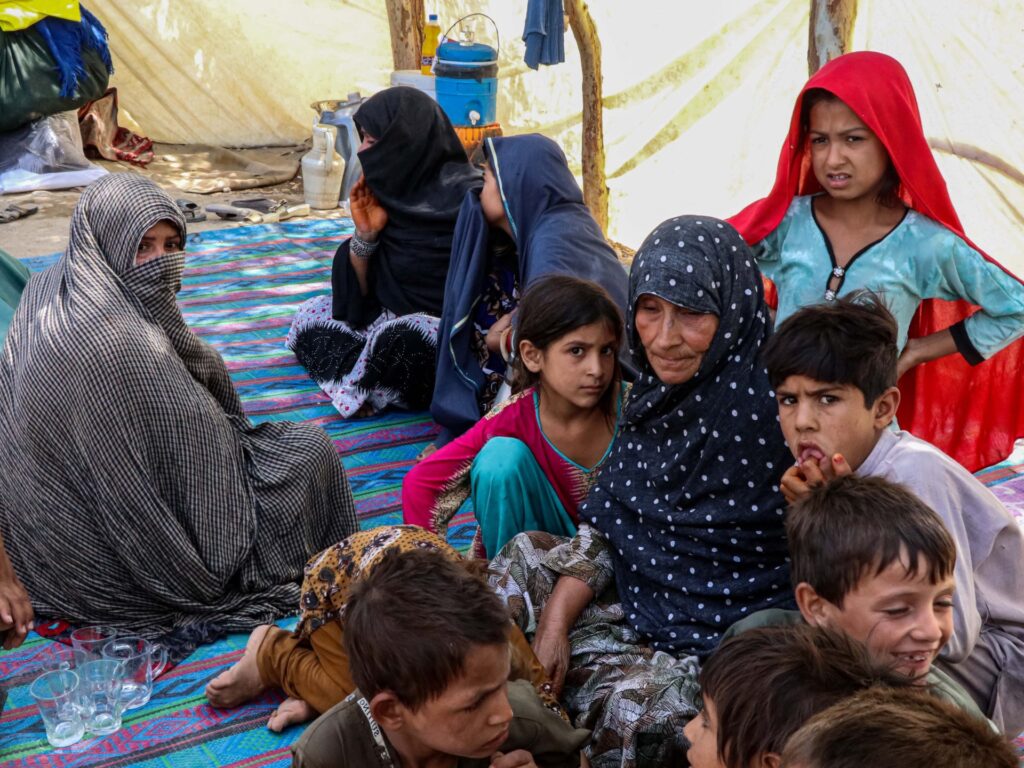
The United Nations migration agency has raised alarms over the escalating violence along the Afghanistan-Pakistan border, reporting that nearly 66,000 Afghans have been displaced due to intense fighting in the region. This surge in conflict poses a significant humanitarian challenge, exacerbating an already fragile situation for communities living close to the border.
According to the UN, the ongoing clashes have forced thousands of families to flee their homes in search of safety, often finding refuge in temporary shelters or other areas within Afghanistan. The displacement disrupts lives, access to essential services, and contributes to greater insecurity in the region.
The border area, known for its complex security dynamics, has witnessed a recent spike in violence involving various armed groups. This resurgence threatens to undermine peace efforts and exacerbate tensions between communities, worsening the humanitarian crisis.
The UN migration agency emphasized that the continuing hostilities not only jeopardize the safety of civilians but have the potential to trigger further displacement if immediate measures are not undertaken. Authorities and humanitarian organizations are urged to enhance response mechanisms to support the displaced populations and work towards mitigating further conflict.
The displacement crisis highlights broader issues of governance, security, and economic stability in the region. With many displaced individuals lacking access to basic necessities such as food, clean water, healthcare, and education, the risk of a prolonged humanitarian emergency increases.
International support and cooperation remain crucial to addressing the root causes of the conflict and assisting those affected. The UN and partner organizations are coordinating efforts to provide aid, shelter, and protection, yet challenges remain due to the volatile security situation and logistical constraints.
The situation calls for renewed focus on diplomatic engagement and conflict resolution aimed at restoring peace and stability along the Afghanistan-Pakistan border. In the meantime, providing immediate relief to displaced communities is a necessary step to alleviate suffering and prevent further deterioration of the humanitarian situation.
Efforts to monitor the displacement trends and assess ongoing needs will be critical in the coming weeks. The international community is called upon to support initiatives that promote dialogue, safeguard human rights, and facilitate sustainable solutions for displaced populations.
As violence continues to displace thousands, the urgency to respond effectively cannot be overstated. Ensuring the protection and well-being of those affected remains a paramount concern for the UN and its partners working tirelessly in the region.