In a bold and rare stance among Western nations, Spain has openly condemned what it describes as Israel’s ‘genocide’ in Gaza, sparking diplomatic friction with the United States. The socialist government, led by Spain’s president, has taken a firm position against escalating violence in the region and has simultaneously opposed any US-led military intervention against Iran. This complex geopolitical development places Spain at odds with Washington, which has responded with strong warnings and threats to cut trade ties.
Spain’s condemnation of Israel’s actions in Gaza marks a significant departure from the usual cautious diplomacy observed by European Union countries. The Spanish president has accused Israel of disproportionate military aggression against Palestinian civilians, which has triggered widespread humanitarian concerns. This harsh critique comes amid intensified international calls for ceasefire and humanitarian aid access in the war-torn enclave.
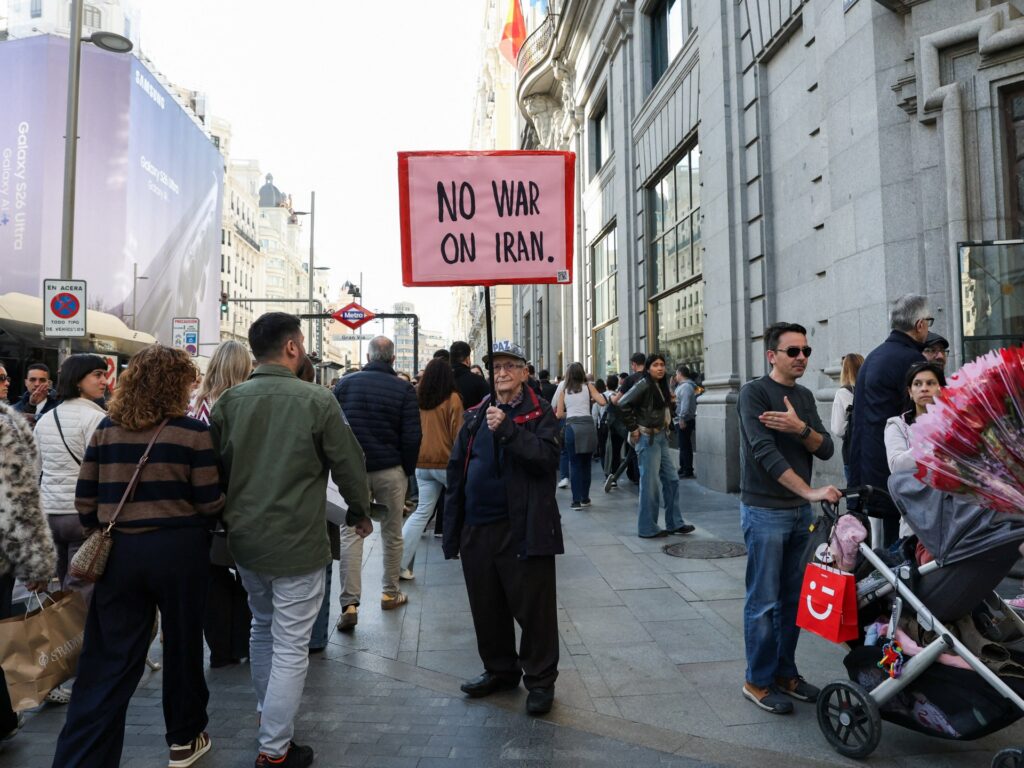
The Spanish government’s opposition extends beyond Gaza, explicitly rejecting any military confrontation with Iran. Washington has been pushing for increased pressure on Tehran, suspecting it of destabilizing activities across the Middle East. However, Spain advocates for diplomatic solutions, warning against the devastating consequences of entering another conflict in the already volatile region.
This dual stance has not been without repercussions. The United States has reportedly threatened economic sanctions, including severing key trade partnerships with Spain, in an attempt to coerce the Spanish government into aligning with American foreign policy objectives. The threat has stirred debates within Spain about economic sovereignty and the costs of independent diplomatic decisions.
Spanish political commentators describe the government’s position as courageous yet risky, emphasizing the tightrope Spain must walk between asserting a moral foreign policy and maintaining beneficial relations with Washington. The internal political landscape is shaped by diverse opinions, with socialist factions supporting the president’s human rights advocacy, while opposition parties warn of isolation and economic fallout.
Internationally, Spain’s stance is seen as a challenge to the United States’ long-standing dominance in shaping Western responses to Middle Eastern conflicts. Observers note that Spain’s independent approach could encourage other nations to reconsider their diplomatic alignments, potentially shifting the geopolitical balance.
The humanitarian situation in Gaza remains dire, with escalating casualties and growing displacement fuelling global outrage. Spain has called for urgent international intervention to protect civilians and facilitate humanitarian corridors. The Spanish president has appealed to the United Nations and European Union to take a more active role in conflict resolution and aid delivery.
As tensions mount, Spanish officials continue diplomatic dialogues seeking to mitigate confrontations with Washington while maintaining their principles. The government stresses the importance of multilateralism and peaceful negotiations as pathways to long-term stability in the Middle East.
Spain’s stance reflects a broader debate about national sovereignty, ethical leadership, and international cooperation in times of crisis. The coming months will be critical in determining whether Spain’s bold foreign policy choices lead to greater global solidarity or increased isolation.
This evolving saga underscores the complexity of global diplomacy, where economic interests, human rights, and strategic alliances intersect in unpredictable ways. Spain’s role as an outlier highlights the challenges and potential of pursuing a foreign policy guided by conviction rather than convention.