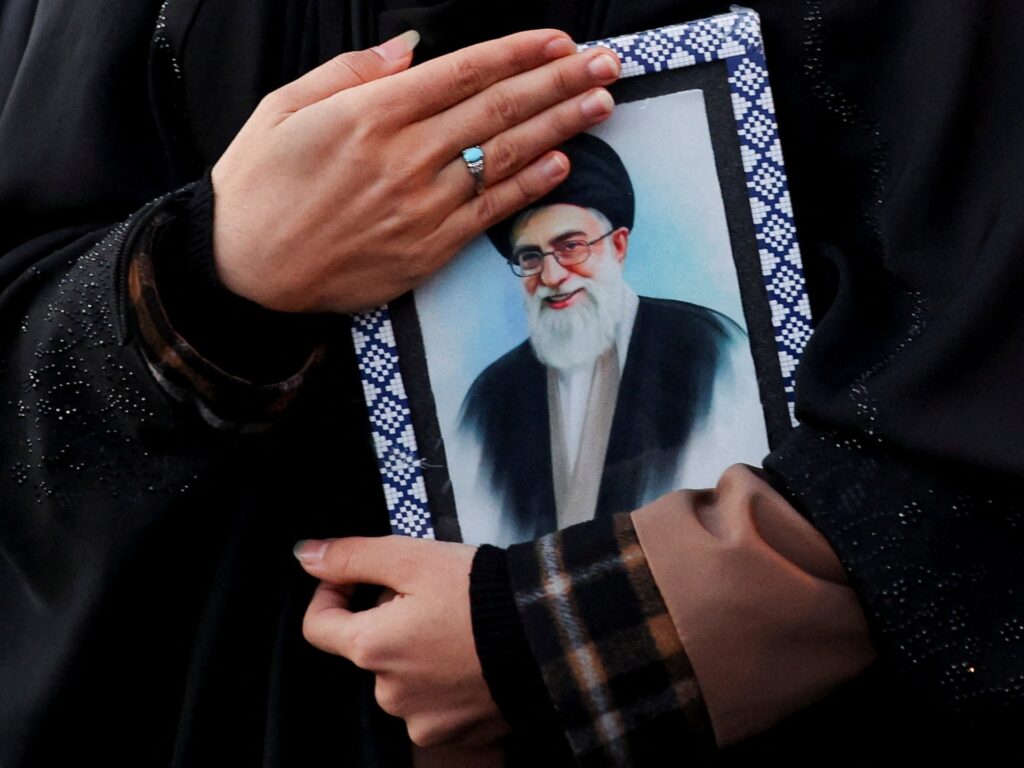
Iran has announced the postponement of the planned farewell ceremonies for Supreme Leader Ayatollah Ali Khamenei, who has been a dominant figure in Iranian politics for decades. This decision comes amidst escalating tensions with Israel, which has openly threatened to assassinate Khamenei’s designated successor.
The postponement has caught the attention of international observers, as Khamenei’s health has been a subject of speculation for some time. While Iran has not provided a specific reason for the delay, security concerns and regional instability appear to be major factors.
Israel’s defense minister recently declared that the next leader of Iran would become a “target for assassination,” signaling a rare and direct threat against Iran’s top political hierarchy. This marks an unprecedented level of hostility and has heightened fears of potential covert or overt actions aimed at destabilizing Iran’s leadership.
The context of these developments is rooted in the longstanding rivalry between Iran and Israel, which has been marked by proxy conflicts across the Middle East, cyber warfare, and mutual accusations of subversion and terrorism. Israel views the Iranian regime as a significant threat due to its nuclear ambitions and support for militant groups opposed to Israel’s existence.
Khamenei, who has led Iran since 1989, has been a polarizing figure both domestically and internationally. His leadership has maintained a strict ideological stance against Israel and the United States, solidifying his position as a symbol of resistance within Iran.
The uncertainty about Khamenei’s health has led to speculation regarding the identity of his successor. Analysts suggest that the future leader will continue Khamenei’s hardline policies, which Israel clearly aims to undermine by threatening assassination.
Iranian officials have condemned Israel’s threats as provocative and destabilizing, promising retaliatory measures should any harm come to their leadership. They have also emphasized national unity in the face of external threats.
Internationally, the postponement has prompted a variety of reactions. Some countries have urged restraint and dialogue to prevent further deterioration of Middle Eastern stability. Meanwhile, strategic alliances react cautiously given the complexity of Iran’s political landscape and Israel’s security concerns.
The postponement of Khamenei’s farewell ceremony is more than a mere scheduling change; it is a reflection of the tense atmosphere enveloping Iran’s political future amid external threats. It underscores the intricate balance of power and the potential for escalations that could affect regional and global security.
As events unfold, the international community is closely monitoring the situation, recognizing that developments in Iran could have far-reaching consequences. The risk of targeted assassinations, coupled with retaliatory moves, may trigger a cycle of violence that extends beyond local borders.
In summary, the delay in commemorating Ayatollah Khamenei’s farewell comes at a time when Israel’s explicit threats toward Iran’s next leader intensify. This convergence of events highlights the precarious state of Middle Eastern geopolitics and the challenges ahead for peace and stability in the region.