In a significant escalation of hostilities in the Middle East, the Islamic Revolutionary Guard Corps (IRGC) of Iran has launched hundreds of drone attacks targeting key locations across Kuwait, Iraq, Saudi Arabia, and the United Arab Emirates (UAE). This aggressive campaign is being described by the IRGC as among its “first powerful steps” in a broader strategy to strike US assets distributed throughout the Gulf countries.
The coordinated drone attacks represent a stark intensification of Iran’s military posture in the region amid ongoing tensions with the United States and its regional allies. Analysts suggest these strikes could signal an opening in a potentially protracted conflict, increasing the risk of wider destabilization in the Gulf area.
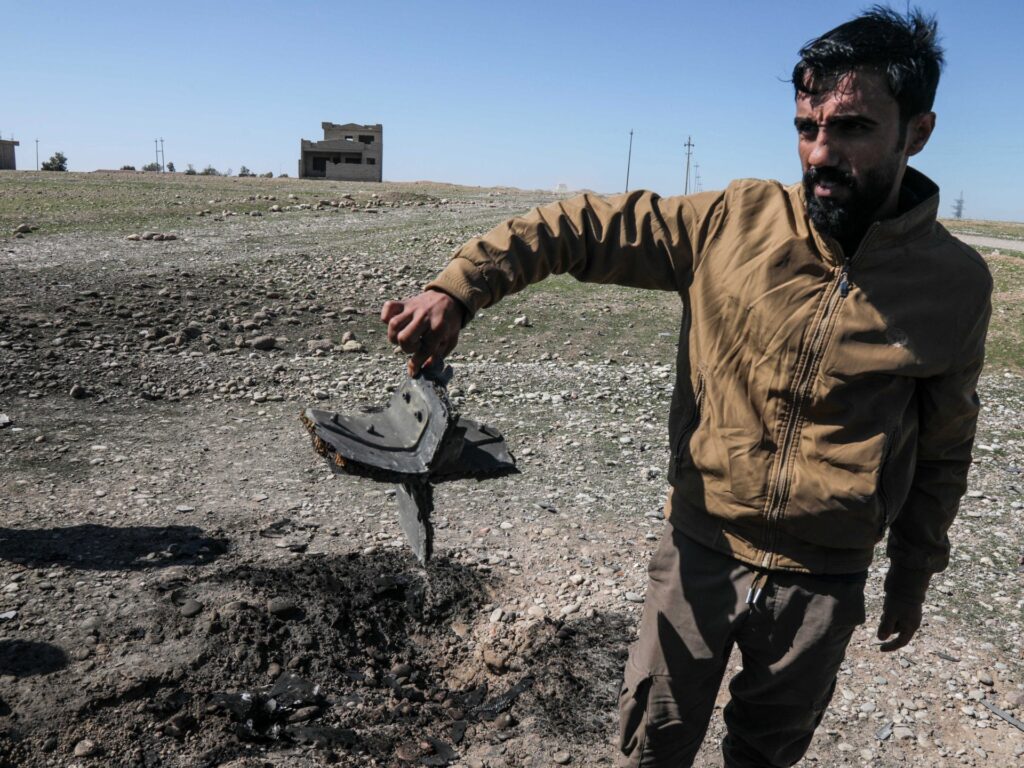
Kuwait has reportedly experienced multiple drone incursions affecting both military and infrastructure targets. Similarly, Iraq and Saudi Arabia, both crucial US allies, have faced drone strikes challenging their security apparatus and complicating the geopolitical landscape.
The UAE, a significant economic hub in the region, has also been targeted, with drones reportedly aiming at strategic facilities. These attacks underscore the IRGC’s capabilities to project power across multiple borders simultaneously, leveraging advanced unmanned aerial vehicle technology.
United States officials have condemned the strikes, emphasizing their commitment to protecting American personnel and assets scattered throughout the Gulf. Washington has warned that it will undertake defensive and possibly retaliatory measures to curb further Iranian aggression.
Regional governments are on high alert, reinforcing air defenses and increasing patrols around critical infrastructure. Diplomatic channels remain active as international stakeholders, including the United Nations, seek to de-escalate the situation and prevent a broader military confrontation.
This latest series of drone attacks follows months of rising tensions following naval confrontations, sanctions, and proxy conflicts involving Iran and US-backed coalitions. The IRGC’s declaration of these attacks as “first powerful steps” implies that additional operations could be forthcoming, raising concerns about the stability of the fragile Gulf security environment.
Experts warn that drone warfare is becoming an increasingly prominent feature of modern regional conflicts, allowing actors like the IRGC to challenge their adversaries asymmetrically while minimizing direct conventional military engagement. The precision and reach of these drones complicate defense strategies and pose substantial threats to civilian and military infrastructure alike.
As the situation evolves, international observers call for renewed efforts toward dialogue and conflict resolution to avoid a full-scale war that would have profound consequences not only for the Middle East but also for global energy supply and economic stability.
This dramatic escalation demands careful monitoring, as the implications of continued drone strikes and retaliatory actions could reshape geopolitical alliances and the strategic balance in the Gulf and beyond.