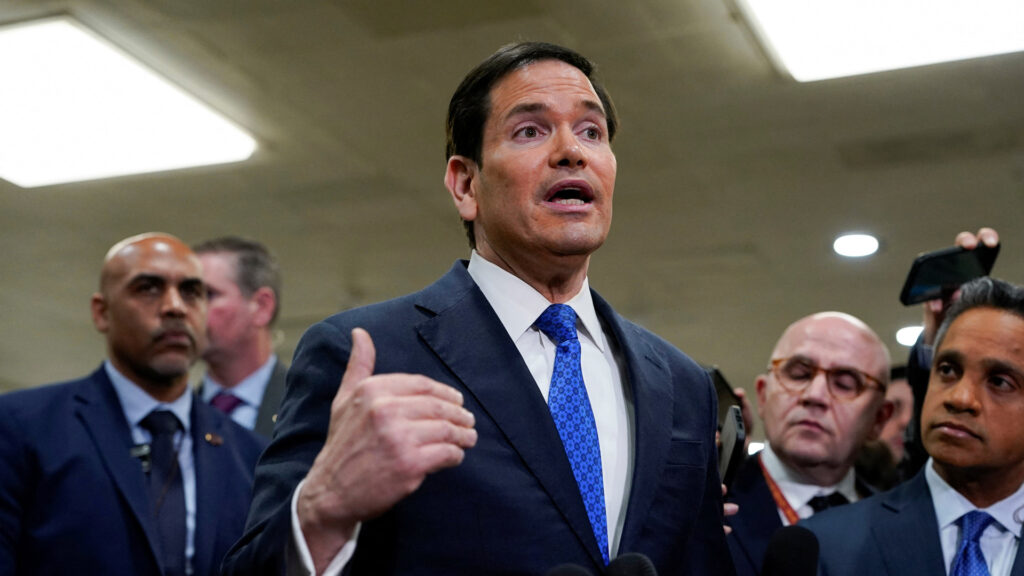
In recent developments concerning US-Iran relations, US Secretary of State Marco Rubio has publicly criticized Iran’s approach to negotiations, asserting that Iran was merely ‘playing’ the United States during the ongoing dialogue. Rubio’s comments come amidst escalating tensions in the region and are indicative of ongoing frustrations with perceived insincerity from Iran in diplomatic efforts.
Further defending the collaborative military efforts between the US and Israel, Rubio emphasized that joint strikes on Iran were necessary and beneficial for global security. According to Rubio, these operations were executed to curtail threats emanating from Iran, ensuring a safer world for all nations.
Rubio’s statements highlight a firm stance taken by US leadership, marking a clear message that the US will not tolerate what it regards as duplicitous behavior from Iran in diplomatic negotiations. The joint US-Israeli strikes are part of a strategic approach to limit Iran’s ability to destabilize the region or threaten allied countries.
The US has continually accused Iran of harboring ambitions that undermine regional stability, including support for various proxy groups and advancing nuclear capabilities that could threaten international peace. Rubio’s remarks shed light on the ongoing policy direction that the US is pursuing, especially under the current administration’s approach to Middle Eastern geopolitics.
Israeli officials have echoed Rubio’s sentiments, affirming their commitment to work alongside the US to neutralize potential threats emanating from Iran. The cooperation between the two nations underscores a shared priority in countering Iranian influence and ensuring security in the broader Middle East.
However, these strikes and the accompanying rhetoric have raised concerns among some international actors about escalating violence and the potential for broader conflict. Critics argue that military actions might inflame tensions further rather than fostering conditions for constructive dialogue.
Despite these concerns, Rubio and other US officials maintain that decisive action is necessary to prevent Iran from leveraging negotiations to advance its strategic goals without genuine commitment to peace. The US stance portrays a paradoxical balance of diplomatic engagement combined with military readiness.
Analysts note that this period could be pivotal in US-Iran relations, where the interplay of negotiations, military pressure, and international diplomacy could determine the trajectory of future peace and stability in the region. The US’s resolve, as presented by Rubio, is clear: it will not be a passive participant but an active agent in shaping outcomes concerning Iran.
In summary, Marco Rubio’s recent declarations about Iran ‘playing’ the US in talks and his endorsement of joint US-Israeli strikes serve as a strong signal about the US’s toughened posture toward Iran. His words reinforce a narrative of vigilance and assertiveness, reflecting concerns over Iran’s intentions and the US commitment to safeguarding regional and global security.