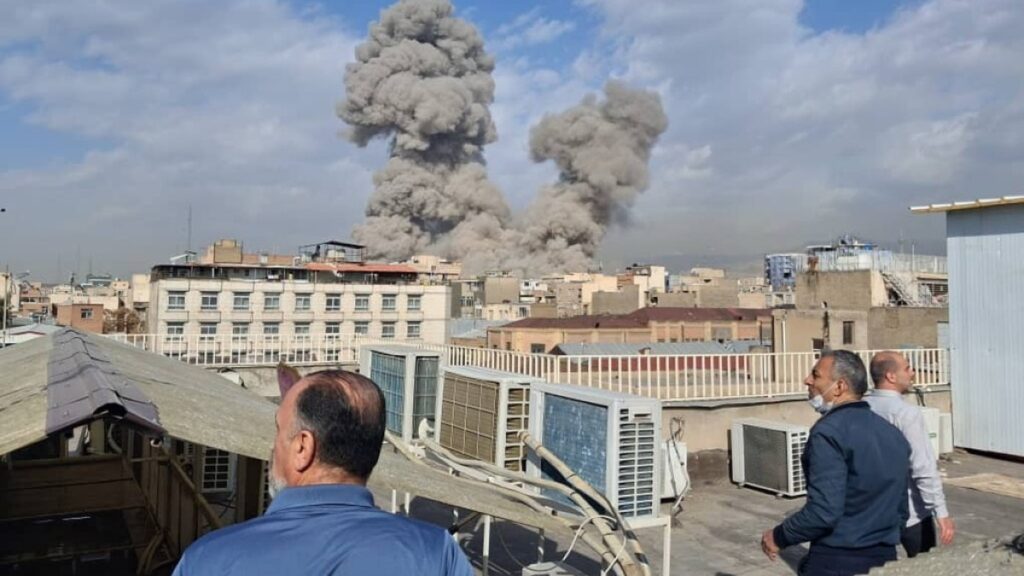
Recent joint attacks by the United States and Israel against Iran have sparked intense debate over their legality under international law. Analysts widely argue that these strikes potentially violate the UN Charter, particularly the prohibition against aggression. The UN Charter explicitly forbids member states from using force against the territorial integrity or political independence of any state, except in cases of self-defense or with Security Council authorization.
The central legal question revolves around whether these strikes constitute self-defense or whether they lack proper authorization, thus breaching international law norms. Iran has condemned the attacks as illegal acts of aggression, pointing to the absence of clear evidence that Iran posed an imminent threat justifying preemptive self-defense.
From the perspective of international law, any use of force without explicit Security Council approval or immediate self-defense justification may be considered unlawful. Critics note that the attacks could exacerbate regional instability and undermine global efforts to maintain peace under the UN framework.
Proponents of the strikes argue that they are necessary to prevent Iran from advancing potentially threatening capabilities, asserting a right to preemptive action in the face of perceived threats. However, this justification remains controversial, as preemptive strikes are not universally accepted under international legal standards.
The debate also highlights the complexities of modern warfare and asymmetric threats, where state and non-state actors often blur traditional legal categories. The US and Israel’s actions thus raise important questions about the evolving interpretation of international law concerning sovereignty, self-defense, and proportionality.
In sum, while the US-Israeli strikes against Iran are portrayed by their advocates as strategic and defensive, many legal experts assert that these actions violate the core principles of the UN Charter. This situation underscores ongoing challenges in enforcing international law and ensuring accountability in international conflicts.