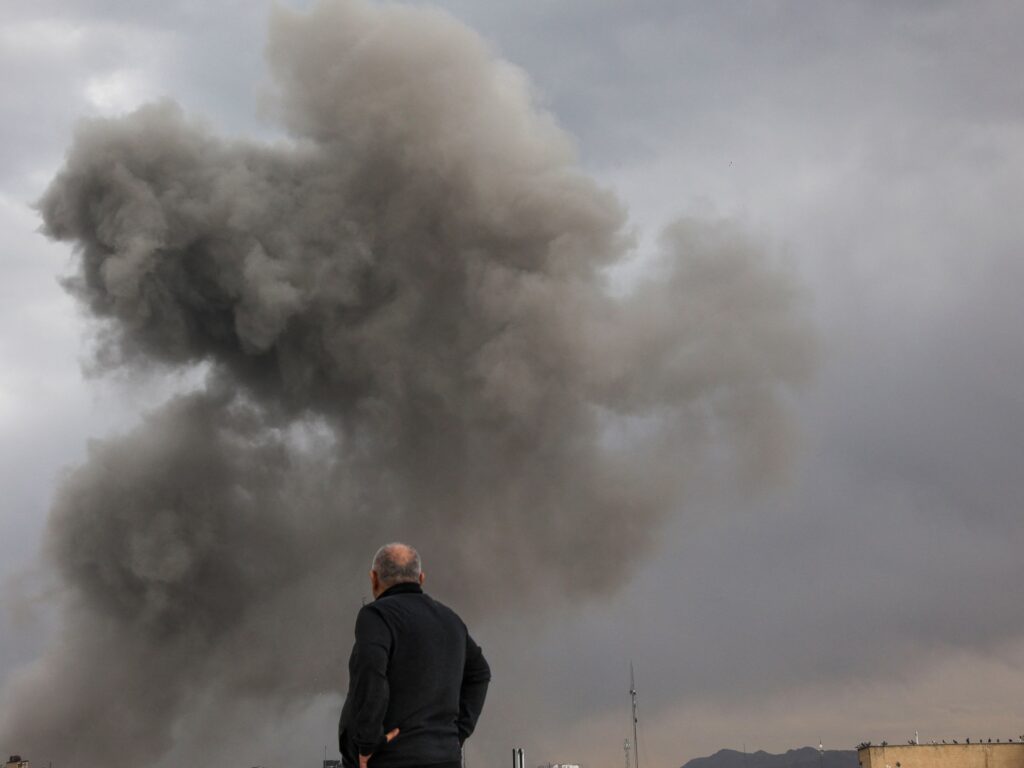
In a dramatic escalation of tensions in the Middle East, Iran has launched a series of attacks targeting key energy infrastructures across the Gulf region. These actions coincide with a significant political move by Tehran—the closure of the Strait of Hormuz, a crucial chokepoint for global oil shipments. The Islamic Revolutionary Guard Corps (IRGC) has officially announced this closure, marking a pivotal moment in the ongoing geopolitical standoff in the region.
The US embassy in Riyadh, Saudi Arabia, came under attack amid these developments, signaling a sharp increase in hostilities. This incident has raised immediate concerns for the safety of American diplomats and staff within the kingdom, potentially complicating diplomatic relations further between the US and Iran, as well as involving Saudi Arabia in heightened conflict dynamics.
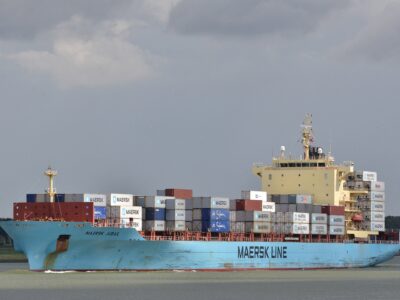
The Strait of Hormuz is one of the world’s most strategically important waterways, with a significant percentage of the world’s petroleum passing through it daily. Tehran’s decision to close this passage has sparked alarm internationally, as it threatens to disrupt global energy markets and increase oil prices significantly.
Iran’s strike on energy infrastructure is viewed as a tactical move to exert pressure on its adversaries by jeopardizing the stability of oil supplies. The targets reportedly include refineries, pipelines, and other critical components essential for the region’s energy exports. These attacks showcase Iran’s capabilities and willingness to leverage military actions to influence regional security and political negotiations.
The closure of the Strait of Hormuz by the IRGC is emblematic of Iran’s control over the maritime route and its strategic intent to use this leverage in its wider regional policies. The move is likely a response to ongoing sanctions, military threats, and diplomatic isolation faced by Iran in the international arena.
In response, global powers have begun urgent consultations to address this crisis. There is widespread concern about potential military escalation and the broader implications for international shipping and oil markets. Nations heavily dependent on Gulf oil supplies are particularly affected, prompting emergency measures and calls for de-escalation.
The attack on the US embassy in Riyadh adds a complex layer to this situation, as it underscores the risk of the conflict spilling into other countries and increasing the scale of the confrontation. Saudi Arabia, an ally of the United States and a key player in the Gulf Cooperation Council, may now face direct repercussions from Iran’s actions.
Diplomatic channels are reportedly being explored to mitigate the risk of further escalation, although the atmosphere remains tense. The international community is watching closely, urging restraint and dialogues to prevent the crisis from spiraling into a broader regional conflict.
Overall, Iran’s recent actions reveal a calculated bid to assert its power in the Gulf and challenge the influence of the United States and its allies. The situation remains fluid, with significant stakes for regional security, global energy markets, and international diplomacy. The coming days will be critical in determining whether these developments lead to negotiation or further conflict.