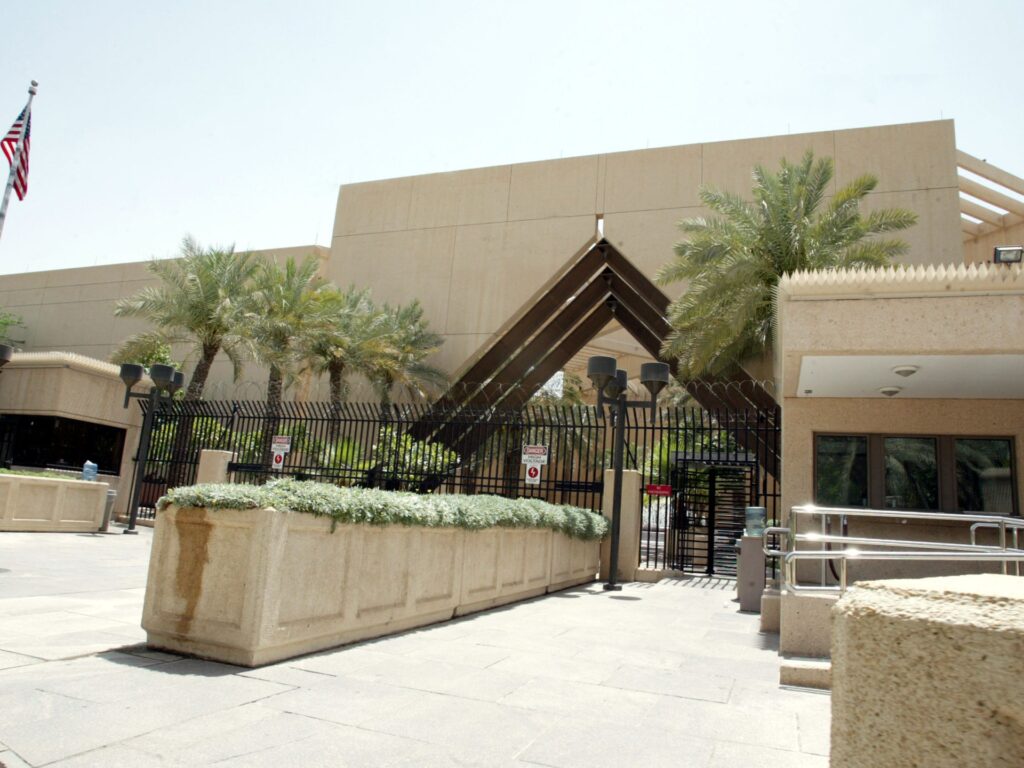
A drone attack targeted the United States Embassy in Riyadh, the capital of Saudi Arabia, causing a fire within the embassy compound. The Saudi Defense Ministry confirmed the incident and reported that the fire broke out as a result of the attack. Despite the alarming nature of the event, the ministry reassured that the damage sustained by the embassy complex was minor.
This attack marks a significant security incident in Riyadh, raising concerns over the safety of diplomatic missions in the region. The use of drones in such attacks highlights the evolving threats faced by embassies worldwide, particularly in conflict-prone or politically sensitive areas.
Emergency services responded promptly to control and extinguish the fire, preventing further damage to the diplomatic premises. Fortunately, no casualties or severe injuries have been reported in connection with this attack.
The Saudi authorities have launched an investigation to identify the perpetrators behind the drone strike. Security measures around diplomatic facilities have been increased to prevent similar attacks in the future.
The Embassy remains operational, with diplomatic staff continuing their duties amid heightened security protocols. The United States government has condemned the attack and emphasized its commitment to ensuring the safety of its diplomats abroad.
This event underlines ongoing tensions in the region and the challenges faced by foreign missions operating in volatile environments. It also accentuates the need for enhanced protective measures against emerging threats like drone attacks.
Saudi Arabia and the United States maintain a strategic partnership, and both countries are expected to cooperate closely in investigating the incident and reinforcing security arrangements.
Officials from both sides have pledged to address the incident with seriousness and have assured that such attacks will not undermine diplomatic relations or the safety of embassy personnel.
The use of drones in attacks against diplomatic targets is a growing concern globally, prompting many countries to invest in counter-drone technologies and early warning systems.
This particular attack in Riyadh could be indicative of broader regional instability or heightened hostilities by certain groups. Monitoring and intelligence efforts are being intensified to preempt additional threats.
The incident has drawn international attention to the vulnerabilities of embassies and the increasing complexity of threats posed by unmanned aerial vehicles (UAVs).
In conclusion, while the US Embassy attack in Riyadh resulted in only minor physical damage, it serves as a critical reminder of the risks diplomatic missions face and the need for robust security frameworks. Ongoing cooperation between Saudi Arabia and the US will be crucial in mitigating future risks and safeguarding diplomatic personnel and infrastructure.