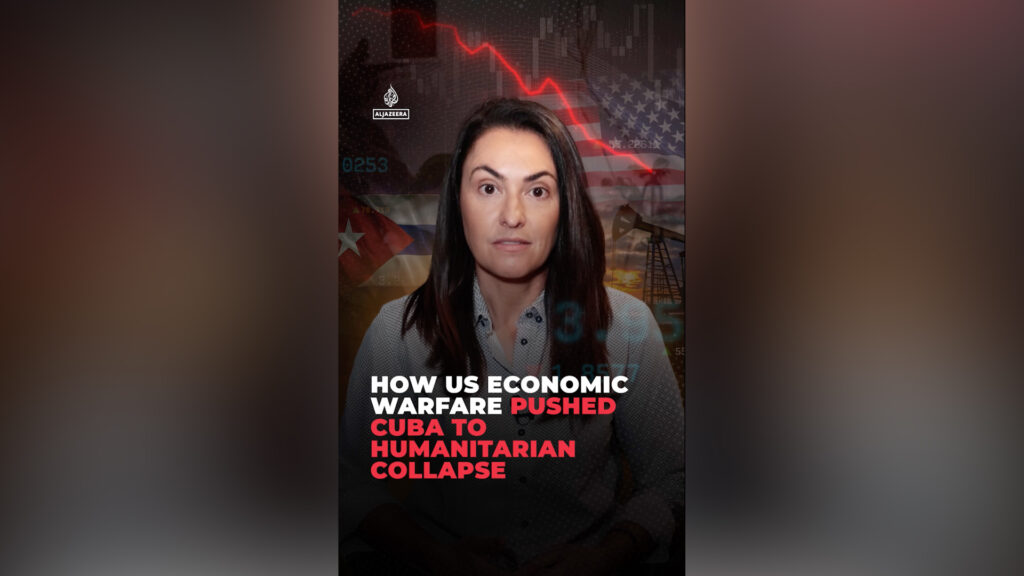
The United States’ economic policies toward Cuba have historically been a significant factor in shaping the island nation’s socio-economic landscape. Recent developments show that sanctions and embargoes imposed by the US have pushed Cuba towards what the United Nations has termed a “humanitarian collapse.” This article explores the unfolding of these economic pressures and their impact on Cuban society.
For decades, the US has maintained a stringent embargo on Cuba, particularly targeting critical sectors such as fuel imports. This embargo, often justified by political motivations, has had severe ramifications for the Cuban economy. The restrictions on fuel not only cripple economic activities but also affect essential services, including healthcare, transportation, and energy supply.
Cuba’s economy, already strained by inefficiencies and external shocks, has been pushed to the brink. The fuel embargo has led to widespread shortages, impacting daily life for Cuban citizens. The lack of fuel has resulted in difficulties in distributing food and medical supplies, exacerbating the humanitarian situation.
The United Nations has repeatedly expressed concern over the deteriorating humanitarian conditions in Cuba, highlighting that sanctions contribute significantly to these hardships. According to UN reports, the sanctions impede Cuba’s ability to import essential goods, undermining health, nutrition, and access to vital services.
In response to international and domestic pressures, the US government recently eased its fuel embargo on Cuba. This move, while seen as a positive step, comes after years of economic hardship for the Cuban population. The easing of sanctions could provide much-needed relief by allowing increased fuel imports, thereby stabilizing critical aspects of the Cuban economy.
However, the long-term effects of the embargo cannot be undone overnight. The damage inflicted on infrastructure and social systems requires significant rebuilding and investment. For the Cuban people, recovery will be a slow and challenging process.
Economists note that sustained economic isolation fosters instability and hardship for ordinary citizens, often without achieving the intended political goals. The Cuban case exemplifies how economic warfare, through sanctions and embargoes, can have profound humanitarian consequences.
Experts argue that constructive engagement and diplomatic dialogue would serve better in resolving underlying issues rather than punitive economic measures. The easing of the fuel embargo could signify a strategic shift toward more cooperative policies.
In summary, the US economic warfare, particularly the fuel embargo, has significantly contributed to Cuba’s humanitarian crisis. While recent easing of restrictions offers hope, much work remains to restore stability and improve the livelihoods of Cubans. Global attention and support will be critical in aiding Cuba’s path forward.