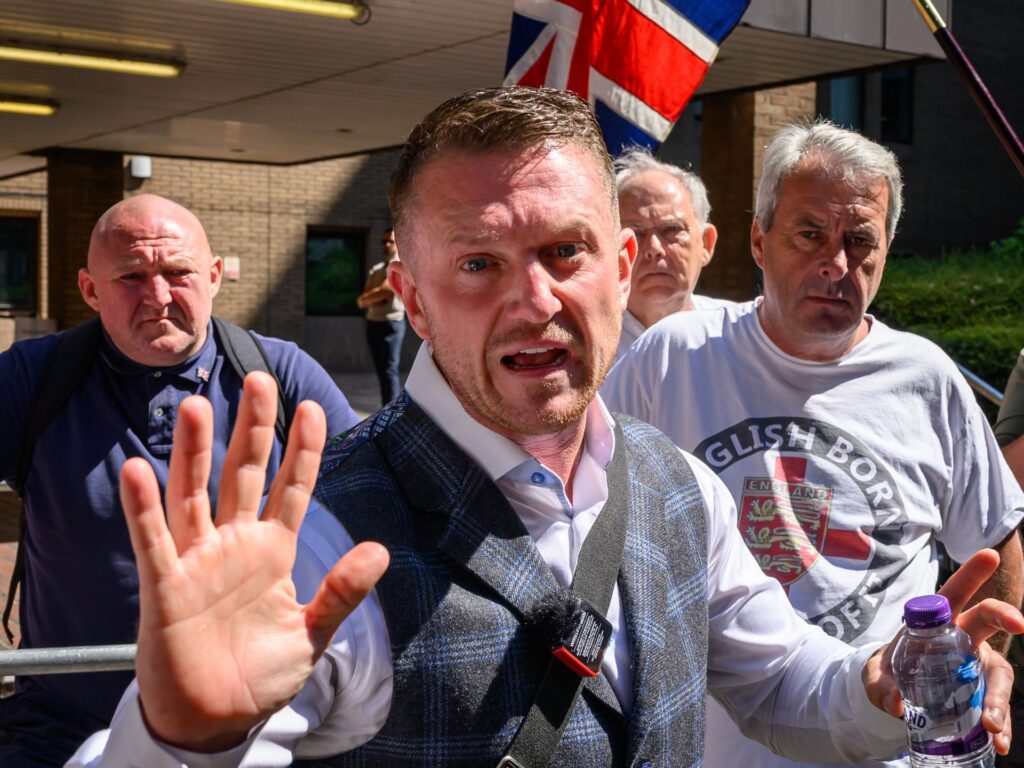
Tommy Robinson, a well-known far-right activist in the United Kingdom, has drawn attention by discussing his recent visit to the US State Department. Robinson, whose real name is Stephen Yaxley-Lennon, is a controversial figure infamous in the UK for his divisive rhetoric, particularly targeting Muslim communities and migrants.
Robinson’s public profile is marked by accusations of promoting hatred and inciting division. His activism has often sparked significant backlash, with many viewing his actions as encouraging xenophobia and Islamophobia. Despite this, he has maintained a dedicated following that supports his outspoken stance on immigration and radicalism.
The details of Robinson’s US State Department visit have raised eyebrows both in Britain and internationally. The purpose and nature of the discussions remain somewhat unclear, but the visit is seen as significant given his contentious status in his home country.
Advocates for Robinson argue that his interaction with US officials highlights concerns about extremism and security that transcend national boundaries. They suggest that such dialogue is vital for understanding and addressing complex issues related to immigration, integration, and national security.
Critics, however, warn that Robinson’s involvement with official government bodies could lend undue legitimacy to his views, potentially influencing policy discussions inappropriately. They express concern that his presence in these circles may exacerbate social tensions rather than help resolve them.
This episode underscores the ongoing challenges democracies face in balancing free speech, security, and social cohesion. Robinson’s activities continue to provoke debate about the limits of political activism and the responsibilities of government institutions when engaging with controversial figures.
As the story develops, many eyes will be on both the UK and US governments to see how they navigate the complexities introduced by Robinson’s international interactions. The broader implications for UK-US relations, counter-extremism strategies, and public discourse on sensitive social issues are likely to unfold in the coming months.