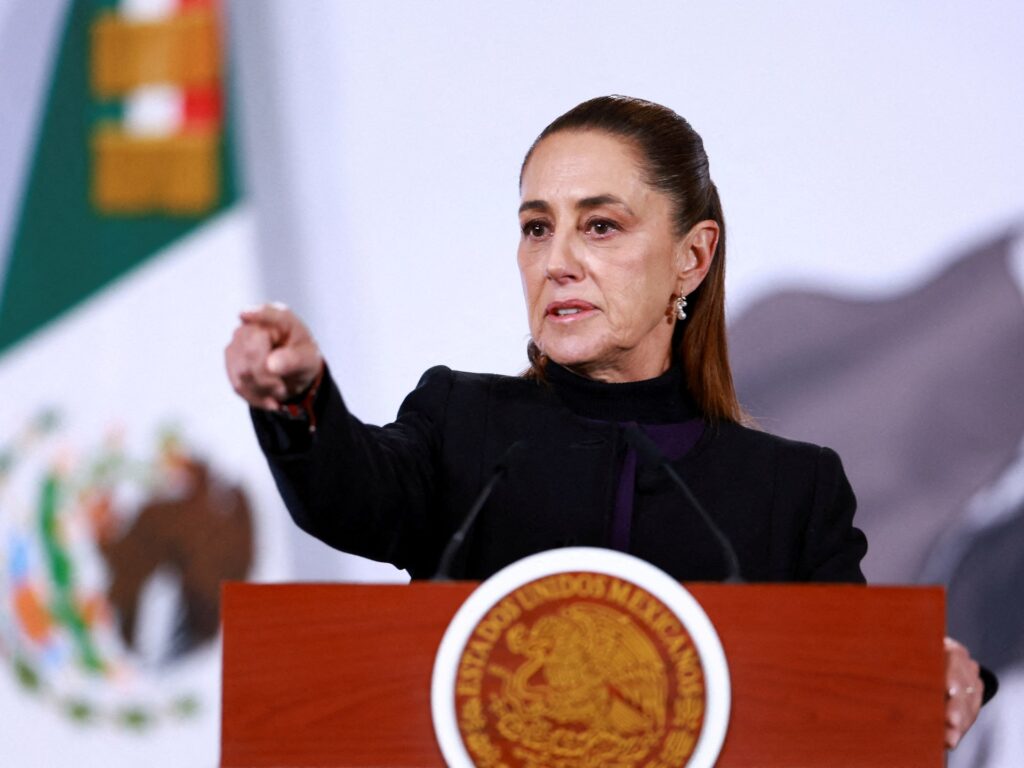
Mexico’s ruling Morena party has celebrated the successful passage of landmark legislation aimed at transitioning the country to a 40-hour workweek by the year 2030. This move represents a significant overhaul of the nation’s labour laws and has been the subject of prolonged negotiations and debate, particularly between the government and business owners.
The legislation underscores Mexico’s commitment to improving work-life balance for its citizens and aligns with global trends toward reducing working hours without reducing productivity. Currently, Mexico’s standard workweek is longer than 40 hours, placing the country among those with the highest working hours globally. This shift aims to modernize labour standards and enhance quality of life for workers.
The path to this legislative milestone was marked by intense discussions, with business leaders expressing concerns about the potential economic impact and operational challenges of shorter working hours. However, the Morena party persisted, emphasizing the social benefits and long-term advantages for employees.
Experts suggest that a 40-hour workweek could lead to increased worker satisfaction, better health outcomes, and potentially even higher productivity due to improved morale. The reform also resonates with international labour practices and the changing dynamics of the global economy.
The gradual implementation plan leading up to 2030 allows businesses to adapt their operations and labor management strategies. This phased approach is intended to mitigate immediate economic pressures while setting a clear trajectory for future labor standards.
The new law also embodies broader aspirations to strengthen worker rights and promote fairer labor conditions. It fits into wider initiatives that Morena has championed to update Mexico’s labor framework to be more equitable and responsive to the needs of modern workers.
Overall, the successful passage of this bill marks a pivotal moment for Mexico’s labor landscape. With the 40-hour workweek as a central component, the country is poised to align more closely with international labor benchmarks and enhance workers’ quality of life ahead of the 2030 deadline.