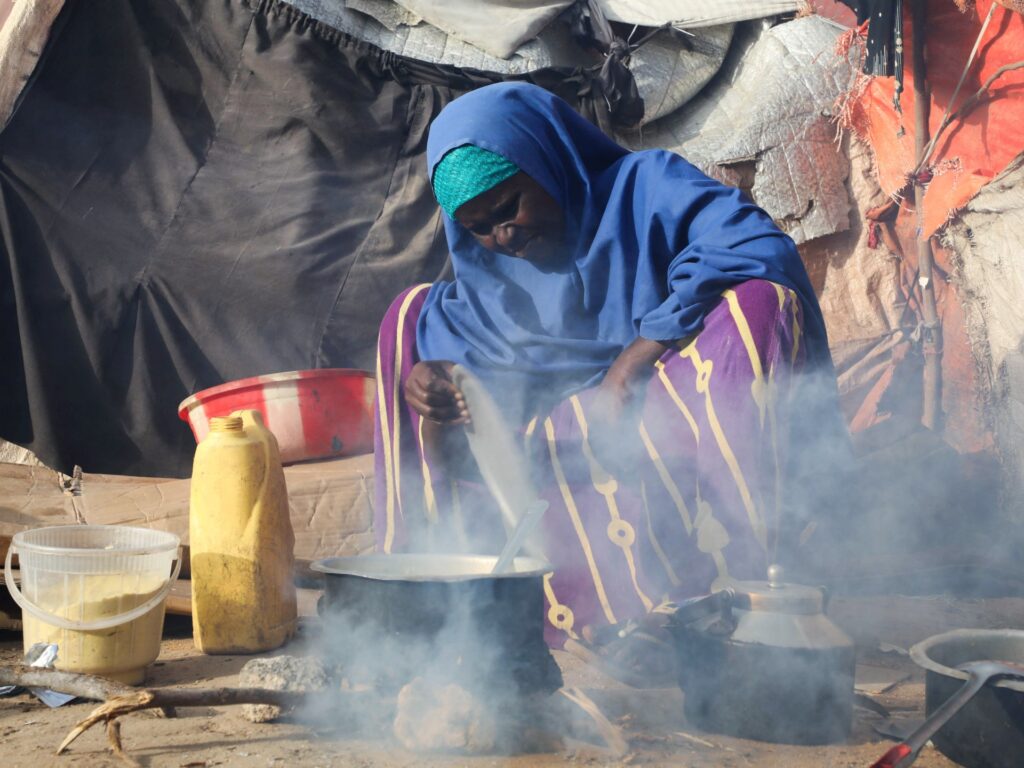
The United Nations has issued a stark warning that 6.5 million people in Somalia are currently facing extreme hunger. This alarming situation is primarily driven by a prolonged and severe drought that has devastated the country over an extended period. The drought has led to widespread crop failures and a shortage of water, severely impacting food production and availability across Somalia.
The humanitarian crisis has intensified as pastoralists and farmers struggle to sustain their livelihoods. Livestock, a key resource for many Somali families, have been severely affected, with many animals dying or becoming too weak to provide milk and meat. This has directly contributed to diminished nutrition among the population, especially vulnerable groups such as children, pregnant women, and the elderly.
Food prices have surged to unprecedented levels, making it increasingly difficult for families to access even the most basic staples. Many communities are facing food insecurity, with some depending heavily on food aid and external support to survive.
International relief agencies and humanitarian organizations are mobilizing resources to address the urgent needs of the affected population. Emergency food supplies, water, and medical assistance are being dispatched to the hardest-hit areas. However, the scale of the crisis presents significant challenges for aid delivery amidst limited infrastructure and ongoing insecurity in parts of the country.
The UN’s appeal highlights the critical need for both immediate humanitarian assistance and long-term strategies to build resilience against future droughts and food crises. Climate change and environmental degradation are seen as exacerbating factors that require urgent attention to prevent such disasters from recurring.
The Somali government, in collaboration with international partners, is urged to prioritize measures that support sustainable agriculture, water resource management, and economic stability to mitigate the effects of future drought conditions.
This crisis serves as a sobering reminder of the vulnerabilities facing millions in Somalia, underscoring the interconnected challenges of climate change, food security, and political stability. Without sustained intervention and global solidarity, the risk of famine and widespread suffering remains a looming threat for millions of Somalis.