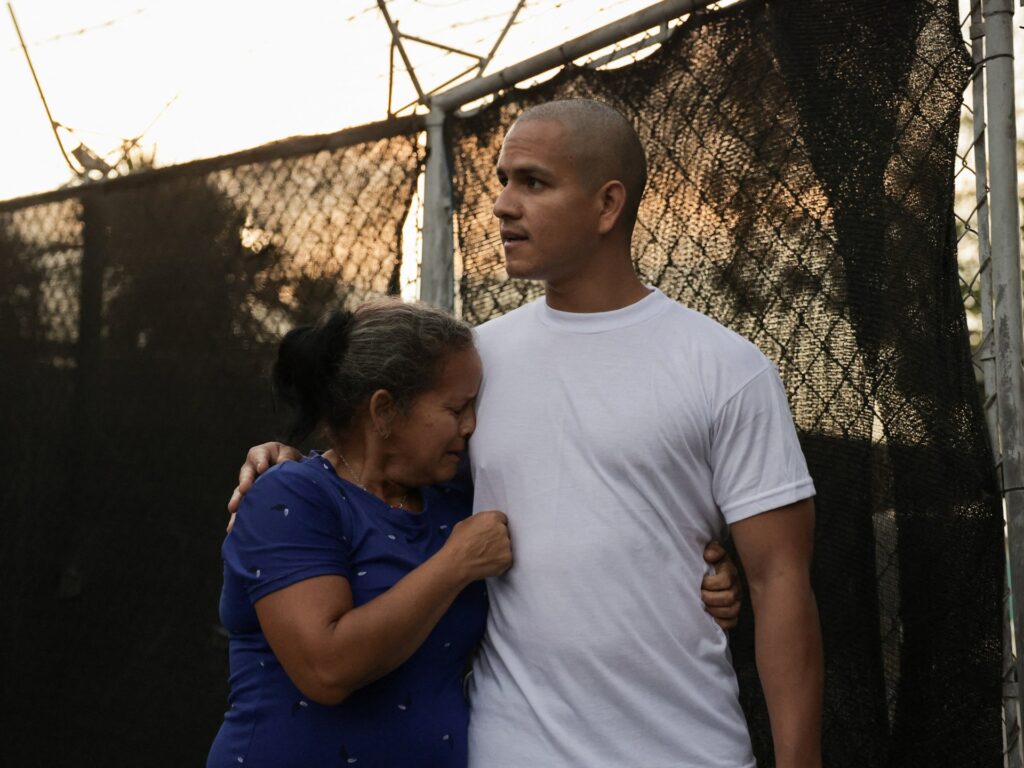
Venezuela’s National Assembly has announced a significant milestone under the newly enacted amnesty law, with over 3,200 individuals fully released and regaining their freedom. This development marks a major step in the country’s efforts to address political and social tensions by providing relief to those detained under various charges.
The amnesty law aims to forgive and free individuals who were imprisoned, often for political reasons, reflecting a broader attempt at reconciliation within Venezuela. It seeks to bring about social peace and facilitate dialogue by releasing detainees who may have been involved in protests or political dissent.
Officials from the National Assembly expressed optimism that the law will continue to release more people in the coming weeks, promoting national healing and easing pressures on the judicial system. Advocates for human rights have welcomed the move, viewing it as a positive signal toward restoring civil liberties and democratic norms.
The process of release under the amnesty law involves reviewing each case carefully to determine eligibility, with priority given to those who meet specified criteria related to the nature of their offenses and circumstances of their detainment. This ensures that the law is applied fairly and judiciously.
While thousands have been freed, some critics argue that the measure does not go far enough in addressing the root causes of political unrest and incarceration in Venezuela. However, supporters emphasize that this is a crucial initial step towards broader reforms.
The current administration has stated that the amnesty law is part of a wider strategy for political reconciliation, economic recovery, and social stability. Observers within and outside the country continue to watch closely as the situation unfolds.
Overall, the release of over 3,200 people represents a hopeful sign for many Venezuelans seeking justice and peace after years of turmoil. The amnesty law is seen as a beacon of opportunity for unity and the restoration of rights to those who have been previously marginalized or punished for their political beliefs.
The National Assembly’s announcement is likely to impact various sectors of Venezuelan society positively, laying the groundwork for future legislative efforts aimed at strengthening democracy and human rights protections. As more individuals regain their freedom, the nation looks forward to a period of rebuilding trust and solidarity.
In conclusion, Venezuela’s new amnesty law and the freeing of thousands underscore the government’s commitment to addressing past grievances and improving the human rights landscape. While challenges remain, this important development offers a path forward toward greater inclusion and social cohesion in Venezuela.