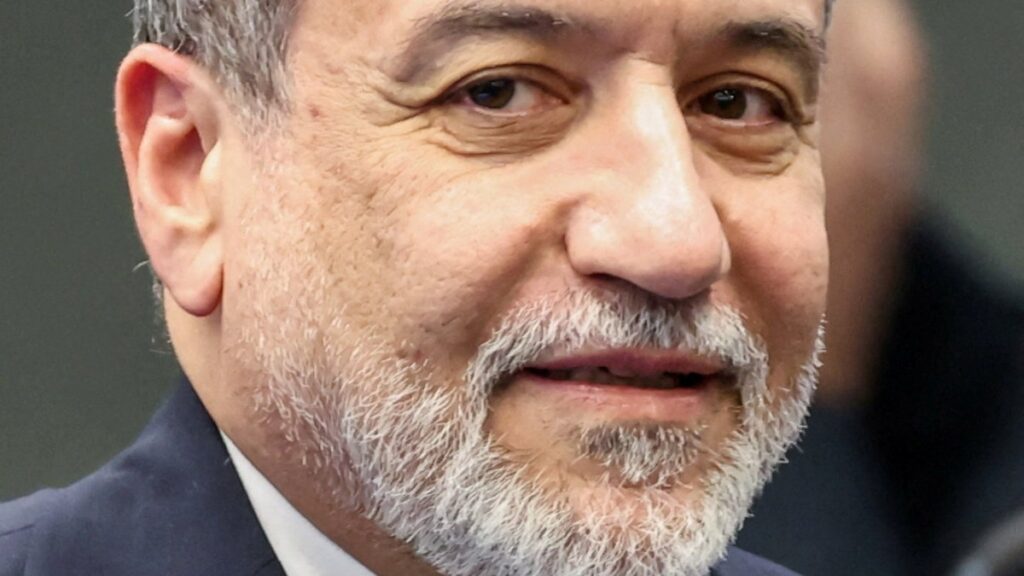
On the eve of crucial Geneva talks, Iran’s Foreign Minister, Abbas Araghchi, expressed optimism about the possibility of reaching a deal with the United States, contingent upon prioritizing diplomacy. Araghchi stated that a resolution with the U.S. is “within reach” if diplomatic efforts are given precedence, signaling a critical moment for diplomatic relations amid ongoing tensions.
This prospective breakthrough comes at a time of heightened military activity, with the second U.S. aircraft carrier being deployed towards the Middle East. The movement of this carrier underscores the escalating strategic stakes in the region, reflecting the U.S.’s readiness to assert its presence during this delicate phase of negotiations.
The Geneva talks are anticipated to address key issues between Iran and the U.S., primarily focusing on Iran’s nuclear program and the lifting of sanctions that have been severely impacting the Iranian economy. Both nations appear to be navigating a complex landscape of conflict and cooperation as they seek common ground.
Iran’s willingness to engage in direct discussions is significant because it marks a potential shift from previous rigid positions. The Foreign Minister’s statement suggests a strategic openness to resolving disputes through dialogue rather than confrontation, which could ease tensions and pave the way for future agreements.
The U.S. administration has yet to formally respond to Araghchi’s remarks but has consistently emphasized the importance of diplomacy alongside maintaining a strong defense posture in the region. Analysts note that the deployment of additional military assets, such as the aircraft carrier, serves as a backdrop to diplomatic engagement, potentially as leverage to strengthen negotiation positions.
International observers are watching closely as these developments unfold, given the far-reaching implications for regional stability and global security. A successful deal could lead to a significant reduction in nuclear threats and a new chapter in Middle East diplomacy.
Conversely, failure to capitalize on this diplomatic window may escalate tensions further, potentially leading to increased military confrontations and worsening economic sanctions.
Foreign Minister Araghchi’s remarks have prompted mixed reactions domestically and internationally. Supporters see them as a hopeful sign for peace and economic relief, while critics remain skeptical about the feasibility of reaching a comprehensive agreement considering longstanding distrust and complex geopolitical dynamics.
In conclusion, the upcoming Geneva talks represent a pivotal moment for U.S.-Iran relations. With diplomacy potentially at the forefront, there exists a rare opportunity to defuse tensions and build a framework for future cooperation, provided both parties prioritize dialogue over conflict. This delicate balance of diplomacy and military readiness will likely shape the trajectory of Middle Eastern politics in the months ahead.