In a significant development amidst the ongoing turmoil in the region, Israel has issued a directive ordering 37 aid organizations to cease their operations in Gaza, the West Bank, and East Jerusalem. This decision has sparked immediate reactions from the international humanitarian community and local advocacy groups.
The order comes as part of heightened tensions and security measures implemented by Israeli authorities in response to escalating conflict in these territories. The affected aides have been instrumental in providing critical support and relief services to populations afflicted by the conflict, including medical aid, food distribution, and infrastructure rebuilding.
In response to this ban, several of the impacted aid organizations have filed a petition to the Israeli Supreme Court. They argue that halting their operations could severely jeopardize the welfare of vulnerable populations in these conflict zones, exacerbating human suffering and undermining international humanitarian principles.
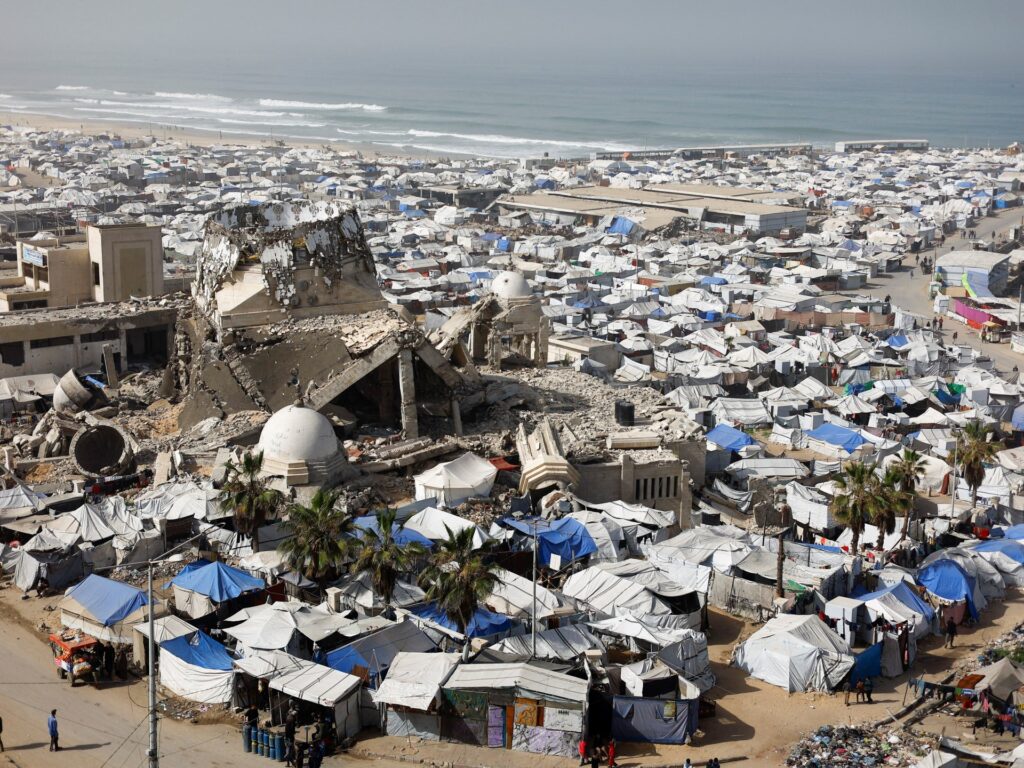
The court petition highlights concerns that the ban could lead to significant humanitarian crises, particularly due to the ongoing conflict in Gaza, where access to essential services is already severely restricted. Aid groups emphasize that their work is apolitical and focused solely on alleviating human distress.
International observers and human rights organizations have condemned the Israeli government’s move, warning that cutting off aid could deepen the humanitarian crisis. Efforts to broker dialogue between the Israeli authorities and aid organizations are reportedly underway, aimed at finding a resolution that allows life-saving operations to continue.
This development unfolds against a backdrop of longstanding disputes and conflicts over jurisdiction and control in the West Bank and East Jerusalem. The ban on aid work threatens to further destabilize the fragile situation on the ground, potentially leading to more unrest and suffering.
As the petition moves through the legal system, attention remains focused on the Israeli Supreme Court’s decision, which is expected to have profound implications not only for the aid groups in question but also for the broader humanitarian landscape in the region.
The international community continues to call for respect for humanitarian law and the protection of aid workers and recipients. The situation remains fluid, with all eyes on the court’s ruling and the evolving security context in Gaza, the West Bank, and East Jerusalem.
In summary, the Israeli government’s recent order to cease aid operations in Gaza and the occupied territories represents a critical flashpoint amid ongoing conflict. The response from aid organizations, including a court petition, underscores the complex challenges of delivering humanitarian assistance in conflict zones where political and security concerns often intersect with urgent human needs.