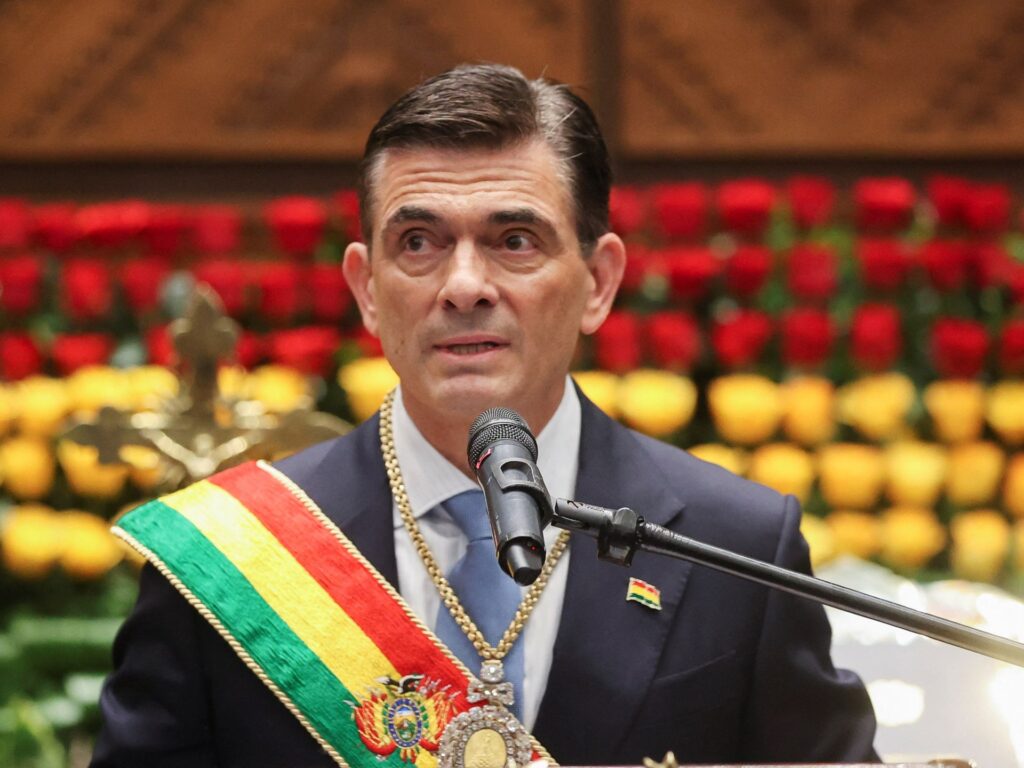
Bolivia has taken a significant step in international relations by deciding to revive its anti-drug alliance with the United States after a hiatus of nearly 18 years. This development marks a notable shift in Bolivian diplomatic and security policies under the leadership of President Rodrigo Paz.
The decision to restore diplomatic ties and cooperate actively with the U.S. Drug Enforcement Administration (DEA) signals Bolivia’s renewed commitment to combating drug trafficking and narcotics-related crime. The break in relations had been a source of diplomatic tension between the two countries, with Bolivia maintaining a strong stance on its national policies related to drug enforcement and sovereignty.
President Paz’s move is expected to enhance collaborative efforts in drug interdiction, intelligence sharing, and law enforcement training programs. This cooperation aims to disrupt drug trafficking routes and reduce the production and distribution of illegal narcotics, which have long been challenges in Bolivia given its geographical location within major cocaine supply chains.
The restoration of this alliance is also seen as a strategic effort to improve bilateral relations between Bolivia and the United States more broadly. Beyond counter-narcotics, the cooperation could open doors for further economic, social, and security collaboration, which may benefit Bolivia’s internal development and regional stability.
Analysts suggest that the Bolivian government’s decision reflects an acknowledgement of the complexities of the global drug trade and the limitations of addressing it unilaterally. The cooperation with the DEA is expected to bring in technical expertise, resources, and international support that will bolster Bolivia’s domestic anti-drug operations.
This renewed partnership also comes amid regional and international calls for a more integrated and cooperative approach to drug enforcement, emphasizing respect for national sovereignty while addressing the transnational nature of drug trafficking networks.
In summary, Bolivia’s revival of its anti-drug alliance with the U.S. marks a pivotal moment in the nation’s foreign policy and drug control strategy. It indicates a pragmatic approach towards enhancing international cooperation in tackling drug-related challenges while potentially paving the way for broader diplomatic and economic engagement with the United States.