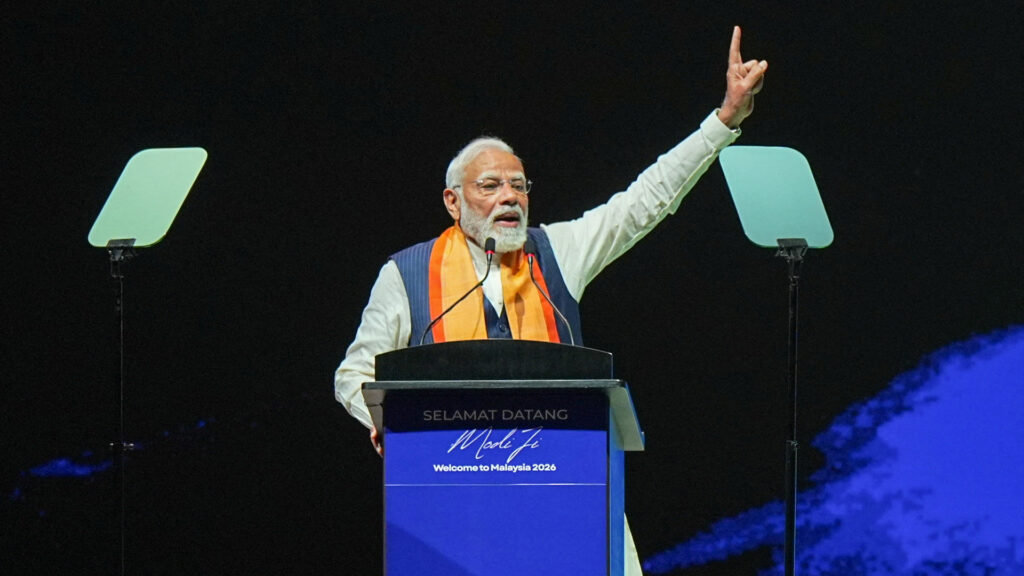
Indian Prime Minister Narendra Modi’s recent visit to Israel has sparked a wide range of reactions across the country, reflecting the diversity of public opinion on the issue. While some view the visit as a strategic move to strengthen diplomatic and economic ties between India and Israel, others express serious concerns about the implications of supporting Israel amidst ongoing conflicts.
Supporters of Modi’s visit argue that the relationship between India and Israel is vital for multiple reasons, including technological collaboration, security cooperation, and economic growth. They highlight that India has historically maintained a pragmatic approach in its foreign policy, balancing its relations across different global powers to ensure national interests.
However, a significant section of the Indian population voices apprehension regarding Israel’s actions in the Palestinian territories. Many critics stress that India should reconsider its position, emphasizing that endorsing Israel could be seen as supporting policies that result in human suffering and potential violations of international law.
A common sentiment heard among protesters and social activists is, “We should not support a country that is committing genocide.” This strong statement echoes the fears of those who view Israel’s military operations as disproportionate and detrimental to the quest for peace in the Middle East.
Social media platforms have become a battleground for conflicting narratives, with hashtags both supporting Modi’s diplomatic outreach and condemning what opponents describe as an endorsement of oppression.
Experts suggest that India’s foreign policy stance on Israel involves balancing economic and strategic interests with its traditional support for the Palestinian cause. This balancing act aims to uphold India’s image as a country committed to peace and justice while pursuing pragmatic international partnerships.
The issue has also ignited discussions about India’s role on the global stage, with some arguing that India should take a firmer stand on human rights irrespective of diplomatic benefits.
In summary, Modi’s visit to Israel has highlighted the complex and often contentious nature of international diplomacy as perceived within India. The range of reactions—from supportive to deeply critical—illustrates the ongoing debate about ethics, geopolitics, and India’s identity as a global actor committed to democratic values and human rights.