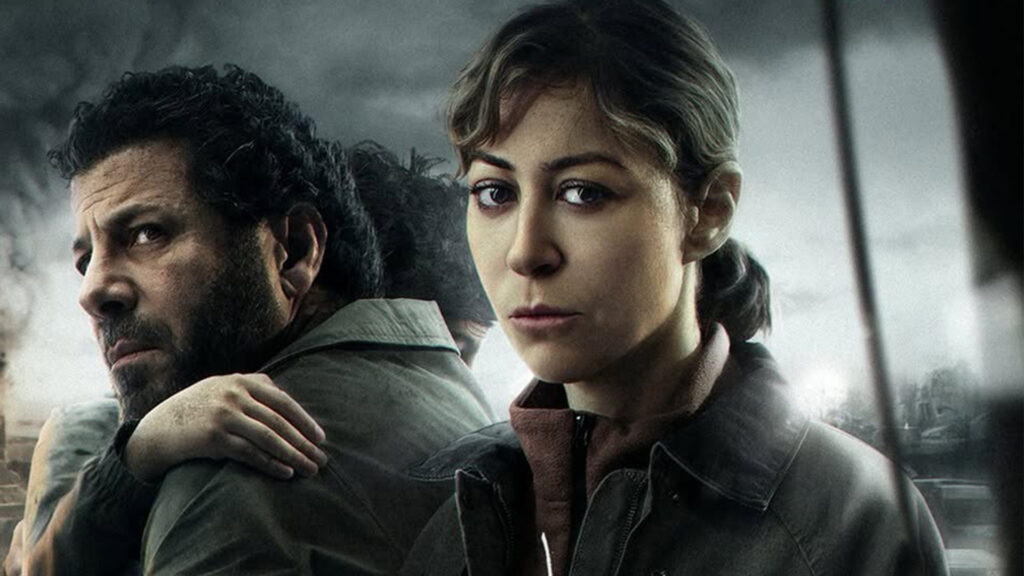
The Egyptian television drama series “People of the Land” has ignited significant controversy and outrage in Israel due to its depiction of the recent war in Gaza. This series retells events from the Gaza conflict, focusing on Israeli actions, which many viewers in Israel consider to be a skewed or negative representation.
“People of the Land” offers a narrative centered around Palestinians living in Gaza, portraying their experiences during the intense and devastating military conflict with Israel. The storyline highlights the suffering, destruction, and human cost faced by the inhabitants of Gaza, attributing many of these hardships to Israeli military operations.
The series has been praised by some for bringing attention to the humanitarian crisis in Gaza, depicting the perspectives of Palestinians who are often underrepresented in mainstream media. Through its detailed storytelling and emotional scenes, it aims to shed light on the consequences of war and the impact it has on civilians.
However, in Israel, the series has sparked strong backlash. Critics accuse it of presenting a one-sided and biased account that unfairly portrays Israel as the aggressor while ignoring the complexities of the conflict including the rocket attacks on Israeli towns and security concerns that prompted Israeli military responses.
Israeli officials and media commentators have condemned the drama, claiming it distorts facts and fuels animosity. Some argue that such representations could inflame tensions further, exacerbate divisions, and hinder peace efforts between Israelis and Palestinians.
The controversy over “People of the Land” reflects the broader challenges of depicting the Israeli-Palestinian conflict in popular culture. The issue is deeply sensitive, with each side possessing contrasting narratives about their history, legitimacy, and actions during times of war.
Egyptian television, known for addressing socio-political issues, has increasingly become a platform for narratives sympathetic to Palestinians. This has sometimes led to diplomatic tensions with Israel, particularly when portrayals criticize Israeli policies or military actions.
“People of the Land” is part of a wider trend in Middle Eastern media that seeks to spotlight Palestinian suffering and advocate for their rights through storytelling and dramatization. Its reception underscores how cultural products can become battlegrounds in political conflicts.
The series also raises questions about artistic freedom and responsibility. While creators argue for the right to depict stories from their perspective, critics stress the need for balanced and nuanced portrayals that consider multiple viewpoints.
Internationally, reactions have been mixed. Human rights organizations and some global viewers have applauded the series for raising awareness about civilian suffering in Gaza. Conversely, some diplomatic entities express concern over media framing that could hinder dialogue and reconciliation.
The situation surrounding “People of the Land” exemplifies the enduring sensitivity of the Gaza conflict and how media can influence public perception. Television dramas like this have the power to shape narratives, evoke empathy, and potentially drive social and political discourse.
As tensions remain high in the region, cultural productions continue to play a critical role. They serve as not only entertainment but also as platforms for memory, identity, and contestation.
The Egyptian drama underscores the importance of dialogue in conflict resolution, revealing that stories told through art are inseparable from the realities they attempt to depict. It also reminds audiences worldwide of the complexities and deep-rooted emotions involved in the Israeli-Palestinian conflict.
With continuing disputes over history and interpretation, “People of the Land” is more than just a TV series—it is a symbol of the ongoing struggles over narrative control and justice in one of the most enduring conflicts of our time.