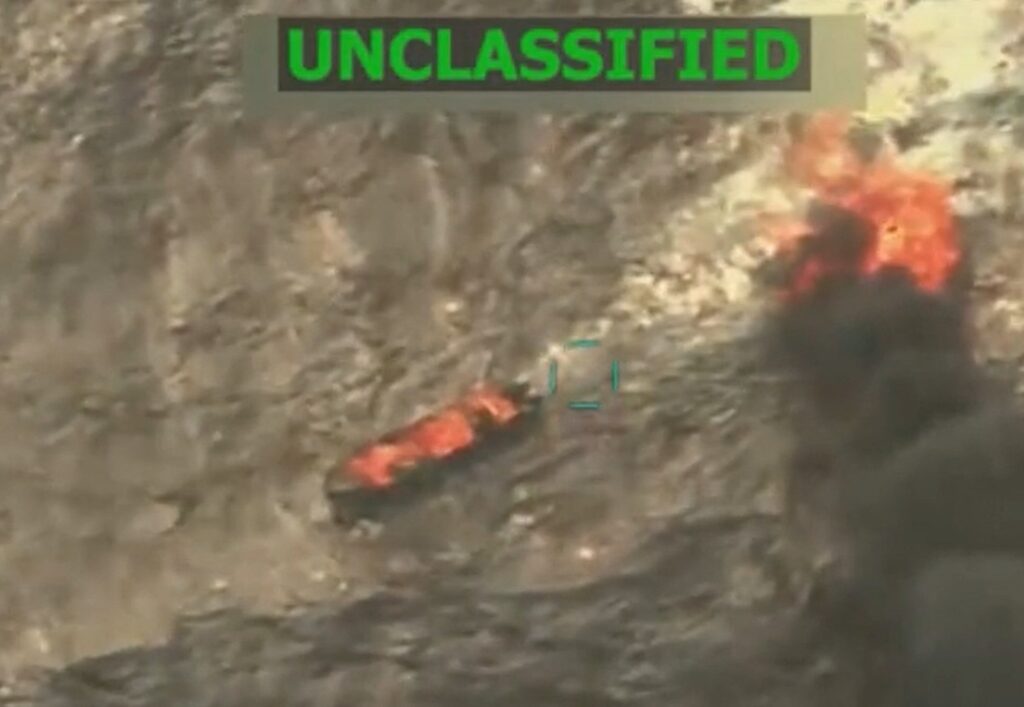
The Pentagon has reported a recent deadly confrontation in the Caribbean Sea involving a strike by a US military boat against vessels suspected of drug smuggling. This operation resulted in the death of three individuals, marking another significant escalation in the ongoing US military campaign targeting suspected drug smuggling boats in the region.
The United States has intensified efforts to curb the flow of narcotics through the Caribbean Sea, a known route for drug traffickers from Latin America to North America and beyond. This strategic military campaign aims to intercept and neutralize boats suspected of transporting illegal drugs before they reach the United States or other destinations.
According to Pentagon officials, the latest strike was carried out after targeted surveillance and intelligence indicated that certain vessels were involved in illicit drug trafficking activities. The US military engaged these vessels in what it described as necessary and proportional force to prevent the smuggling operation from progressing.
This recent incident brings the total number of fatalities linked to US military operations against suspected drug smuggling boats to approximately 150. The Pentagon emphasized that these operations are part of broader efforts in collaboration with regional partners to dismantle drug trafficking networks and reduce the harm caused by the illegal drug trade.
The US military campaign in the Caribbean has been controversial, with some critics arguing that the aggressive tactics may lead to unintended civilian casualties and increase regional tensions. Proponents, however, argue that such measures are essential to stem the flow of drugs that contribute to crime and addiction in the US and beyond.
In response to the strike, there has been heightened discussion about the effectiveness and humanitarian implications of using military force in anti-drug efforts. Various international organizations and governments have called for increased cooperation on intelligence-sharing, law enforcement, and addressing the root causes of drug trafficking.
Despite the loss of life, the Pentagon maintains that these operations are conducted with strict rules of engagement to minimize collateral damage and protect innocent lives. The US Department of Defense reiterated its commitment to ongoing partnerships with Caribbean nations to enhance maritime security.
The recent strike underscores the complex and dangerous nature of drug smuggling operations in the Caribbean Sea. The area serves as a critical transit point for illegal narcotics originating mainly from South America, especially Colombia and Venezuela, which are among the top drug-producing countries worldwide.
Efforts to combat drug trafficking in the Caribbean involve multiple US government agencies, including the Navy, Coast Guard, DEA, and intelligence agencies, in coordination with regional partners such as the Caribbean Community (CARICOM) and the Organization of American States (OAS).
As the campaign continues, there is growing attention to improving the balance between aggressive interdiction methods and ensuring the respect for human rights and international maritime law. The US government also focuses on supporting socio-economic programs in affected regions to reduce the influence of drug cartels and create alternative livelihoods.
This recent deadly engagement in the Caribbean Sea is a stark reminder of the ongoing challenges faced by nations battling the illegal drug trade. As both the US and regional countries strive to strengthen security, the goal remains to dismantle trafficking networks while safeguarding human life and promoting regional stability.
In summary, the Pentagon’s announcement of another US boat strike resulting in three deaths highlights the continuation of a costly and dangerous military campaign against suspected drug smuggling vessels in the Caribbean. With about 150 fatalities already recorded, the operation underscores both the commitment and the complexities inherent in combating cross-border drug trafficking in this strategically important region.