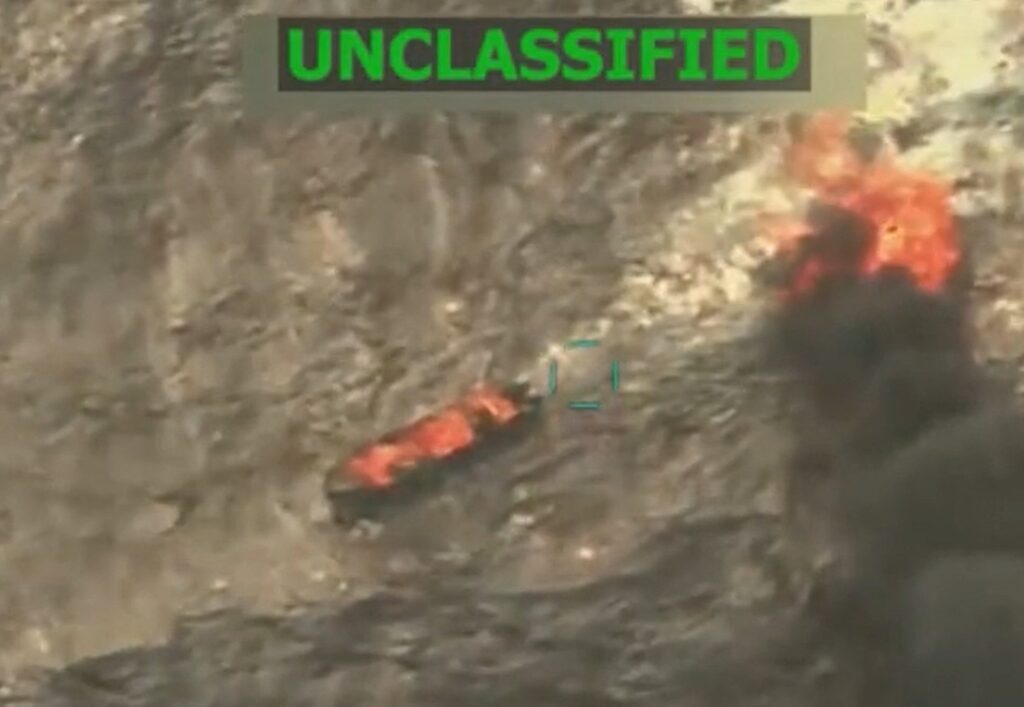
The United States military has carried out another deadly boat strike in the Caribbean Sea, resulting in the deaths of three individuals. According to the Pentagon, the attack targeted alleged drug smugglers operating in the region. This latest strike adds to the escalating death toll linked to the US military’s campaign against suspected drug trafficking vessels in the Caribbean Sea.
The Pentagon reported that the three casualties were aboard a boat suspected of involvement in illicit drug operations. The ongoing US campaign aims to disrupt drug smuggling routes and prevent narcotics from reaching the United States. This operation is part of a broader effort to combat the flow of illegal drugs transported via maritime routes.
Since the onset of this military campaign, approximately 150 people have been killed in various strikes against suspected drug boats in the Caribbean Sea. These operations are part of an intensified strategy by the US government to clamp down on drug trafficking by targeting vessels carrying narcotics.
Officials have emphasized the complexity of these operations, as drug smugglers often use fast-moving boats to evade capture. The US military uses advanced surveillance and intelligence to identify and target these boats effectively. Despite the controversial nature of such strikes, the Pentagon maintains that these actions are necessary to protect US borders and reduce drug-related crime.
The Caribbean Sea has long been a critical pathway for drug traffickers moving narcotics from South America to North America and Europe. The US military’s increased presence and proactive measures reflect heightened concerns about the impact of drug trafficking on national security.
Critics of the US military’s approach warn that the strikes may lead to unintended casualties and increased tensions with countries in the Caribbean region. Human rights organizations have called for greater transparency and accountability in these operations to ensure they comply with international law.
The US government remains committed to collaborating with regional partners to strengthen maritime security and tackle the drug trade. This incident underscores the ongoing challenges faced in addressing the transnational drug trafficking problem.
As the campaign continues, authorities will need to balance aggressive enforcement actions with diplomatic efforts to maintain stability in the Caribbean region. The effectiveness of the strategy will likely be evaluated based on reductions in drug flow and improvements in regional security.
In conclusion, the recent strike, which resulted in three deaths, highlights the US military’s determination to disrupt drug smuggling routes in the Caribbean Sea. The death toll linked to these operations now stands at around 150, reflecting the high stakes and dangers involved in the ongoing campaign against narcotics trafficking by sea.