Recent developments on the geopolitical front of South Asia have thrown Pakistan’s strategic posture into sharp relief following a series of Afghan bombings and the fraught dynamics between India and the Taliban. With Pakistani air raids reportedly breaking a fragile ceasefire, Islamabad finds itself navigating mounting pressure along both its eastern and western borders.
The backdrop to the tensions is the evolving relationship between India and the Taliban, which has reportedly grown closer over recent months. This development is particularly alarming for Pakistan, which views increased India-Taliban ties as a significant threat to its own security and influence in the region.
Pakistan’s dual border challenges stem from ongoing instability in Afghanistan and historical rivalry with India. The Afghan context has been complicated by the Taliban’s resurgence and their growing ties with New Delhi, potentially undermining Pakistan’s strategic depth and its interests in Afghanistan.
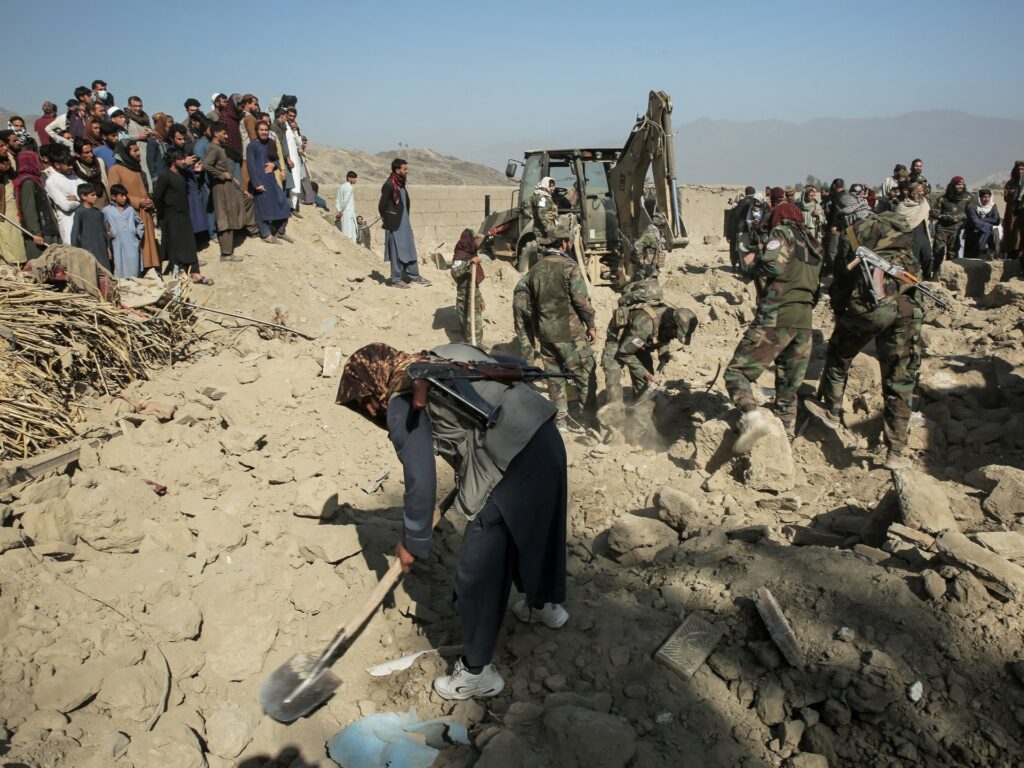
In response, Pakistan has escalated air raids in the border regions, actions that have effectively shattered the previously fragile ceasefire. Islamabad’s military strategy seems geared toward pre-empting any threats emanating from Afghan territory, while warning India against further engagement with the Taliban.
The air raids underscore Islamabad’s intent to assert control and safeguard its borders amid a complex regional landscape. However, these military maneuvers risk inflaming cross-border hostilities, exposing the region to further instability.
Pakistan’s strategic calculus appears to involve a balancing act between containing Indian influence, repressing insurgent elements on Afghan soil, and managing internal security challenges. The country’s leadership faces pressure to simultaneously counter perceived Indian encroachment and to maintain a semblance of peace on its volatile frontiers.
Diplomatic efforts have so far struggled to mitigate the tensions, with peace talks interrupted and ceasefires violated. The breakdown in ceasefire agreements raises concerns about the durability of any conflict resolution mechanisms in place.
Analysts suggest that Pakistan’s approach is also influenced by domestic political considerations, where a strong stance against both the Taliban and India garners nationalist support.
The international community watches closely, recognizing that the deteriorating situation could have broader implications for regional security, counterterrorism, and humanitarian conditions.
In conclusion, Pakistan’s strategy amid the growing India-Taliban ties involves a complex interplay of military assertiveness, diplomatic signaling, and internal political calculations. The fragile ceasefire’s collapse and increased air raids highlight Islamabad’s concerns and priorities as it tries to steer through an increasingly volatile geopolitical maze. How Pakistan navigates these tensions will significantly impact the stability and security of the entire South Asian region in the coming months.