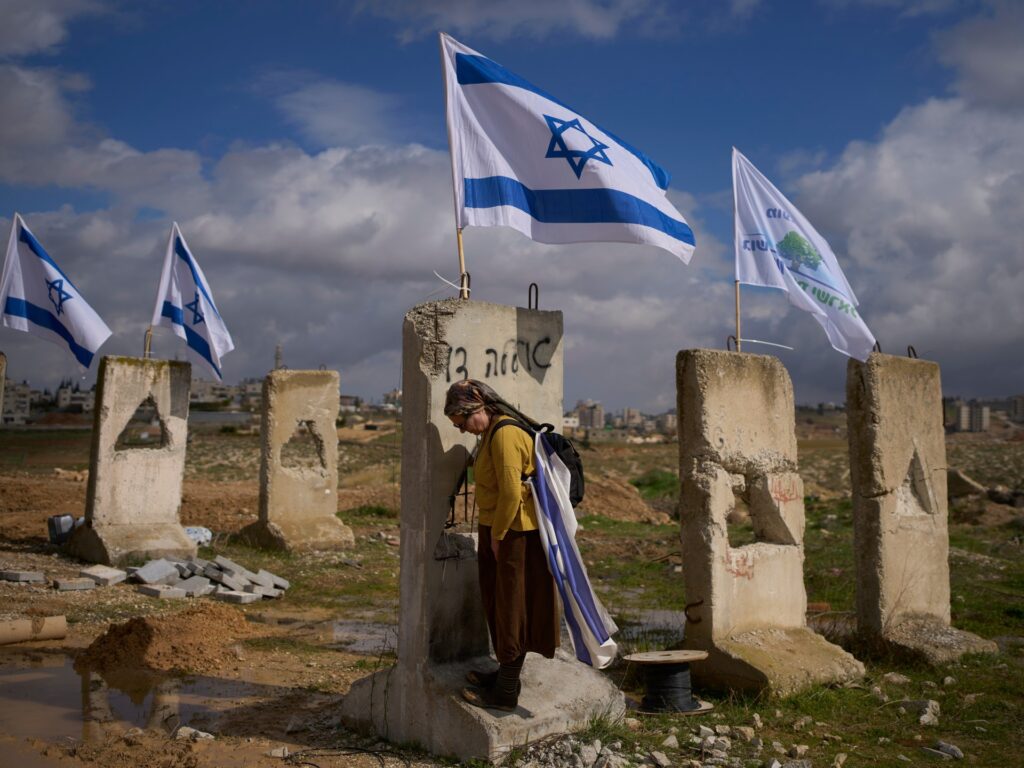
Israeli human rights organizations have raised concerns over a recent initiative by Israeli authorities to register land ownership in the West Bank. This process, aimed at formalizing land claims, is seen by critics as a systematic effort to facilitate the annexation of Palestinian territories. The land registration move, according to these groups, could solidify control over disputed areas, effectively dispossessing Palestinians of their ancestral lands.
The West Bank, a territory occupied by Israel since 1967, is home to a complex mosaic of Palestinian communities and Israeli settlements. The registration of land ownership in these areas carries significant political and social implications. Palestinian landowners fear that the registration system may prioritize Israeli claims and lead to the expropriation of Palestinian properties under the guise of legal processes.
Israeli rights groups argue that this initiative is part of a broader strategy to extend Israeli sovereignty over parts of the West Bank, undermining the prospects of a two-state solution. By formalizing land ownership in a manner that favors Israeli settlers, the move could legitimize settlement expansion and further marginalize Palestinian residents.
Critics also highlight that the registration system may obscure the historical and customary land rights held by Palestinians, many of which are based on traditional usage and community recognition rather than formal documentation. This shift towards a formal, bureaucratic land registry could effectively erase longstanding Palestinian claims to their land.
Furthermore, the process is seen as exacerbating tensions in an already volatile region. Palestinians perceive the registration efforts as a direct threat to their existence and livelihood, potentially leading to increased displacement and conflict. International observers and human rights organizations have called on Israel to halt this registration process and respect Palestinian land rights in accordance with international law.
The issue also intersects with broader geopolitical dynamics. The international community largely considers Israeli settlements in the West Bank illegal under international law, and efforts to annex territory are widely condemned. The land registration initiative is thus not only a local administrative matter but a contentious political act with far-reaching repercussions.
As the registration process advances, the Palestinian leadership and civil society continue to oppose it, warning that it will deepen the disenfranchisement of Palestinians and weaken their claims to statehood. They assert that the move undermines peace efforts and international norms aimed at resolving the Israeli-Palestinian conflict.
In summary, the Israeli authorities’ push to register land in the West Bank represents more than just bureaucratic reform. It is perceived as part of a concerted effort to entrench Israeli control, displace Palestinian populations, and alter the geopolitical landscape of the region. The international community remains watchful, urging respect for Palestinian rights and the pursuit of a just and lasting peace.