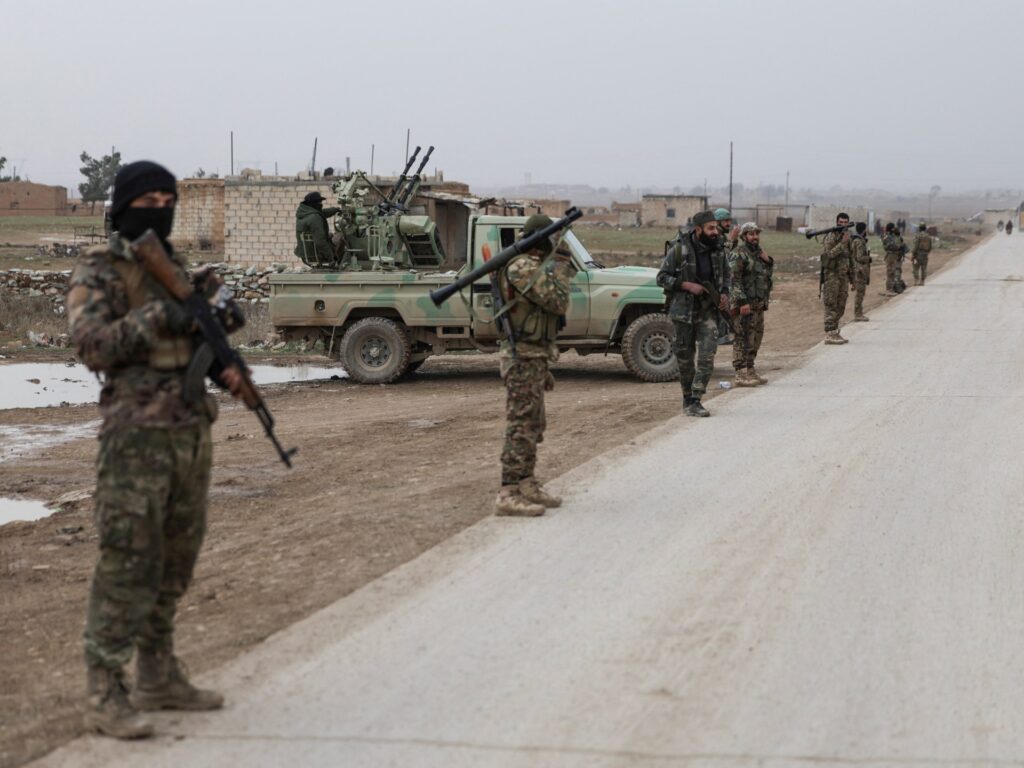
In a significant development in the ongoing Syrian conflict, the Syrian army has taken over the al-Shaddadi military base after the withdrawal of U.S. forces from the area. This strategic move marks another chapter in the complex dynamics of the region, signaling both a shift in territorial control and the evolving alliances in the Syrian war.
The transfer of control was carried out in coordination with the United States, underscoring a level of cooperation despite the historical tensions. This transition is considered part of the latest efforts to implement a ceasefire agreement with Kurdish-led forces who have been active in the region.
Al-Shaddadi holds considerable strategic importance due to its location and military value. It has been a focal point throughout the conflict, with various groups vying for control to consolidate power and influence in northeastern Syria.
The U.S. military’s withdrawal from al-Shaddadi reflects a broader policy shift in the region, as America recalibrates its military engagement amid ongoing debates about its role in Syria and the Middle East at large. The withdrawal was carried out carefully to avoid creating a power vacuum that could destabilize the fragile ceasefire.
The Kurdish-led forces, who had a significant presence in al-Shaddadi, have agreed to the ceasefire terms, which facilitated the peaceful handover. These forces have been instrumental in combating extremist groups in the area and have maintained control over portions of northeastern Syria.
The agreement represents a delicate balance of power, aiming to maintain stability and prevent renewed hostilities between the Syrian government and Kurdish factions. This cooperation may pave the way for further negotiations and potentially a more comprehensive peace settlement in the future.
Analysts note that the smooth transition at al-Shaddadi could serve as a model for other areas where ceasefire agreements are in place or being negotiated. It highlights the potential for negotiated settlements even in deeply divided conflict zones.
However, challenges remain, as underlying political disputes and regional rivalries continue to pose risks to lasting peace. The situation requires ongoing diplomatic efforts and monitoring to ensure the ceasefire holds and that humanitarian conditions improve for civilians affected by years of war.
The Syrian government has expressed its commitment to restoring sovereignty over all national territory, emphasizing the importance of national unity and reconstruction efforts. Meanwhile, Kurdish leaders stress their desire for autonomy and security guarantees within any future political framework.
International reactions to the U.S. withdrawal and the subsequent Syrian army takeover have been mixed. Some view it as a necessary step toward reducing foreign military footprints and encouraging local resolutions. Others worry it could lead to increased instability if not carefully managed.
Overall, the events at al-Shaddadi signify a critical juncture in Syria’s ongoing conflict, reflecting shifting alliances and the fragile nature of peace efforts. Continued cooperation and dialogue among all parties will be essential to build on this progress and move toward a sustainable resolution.