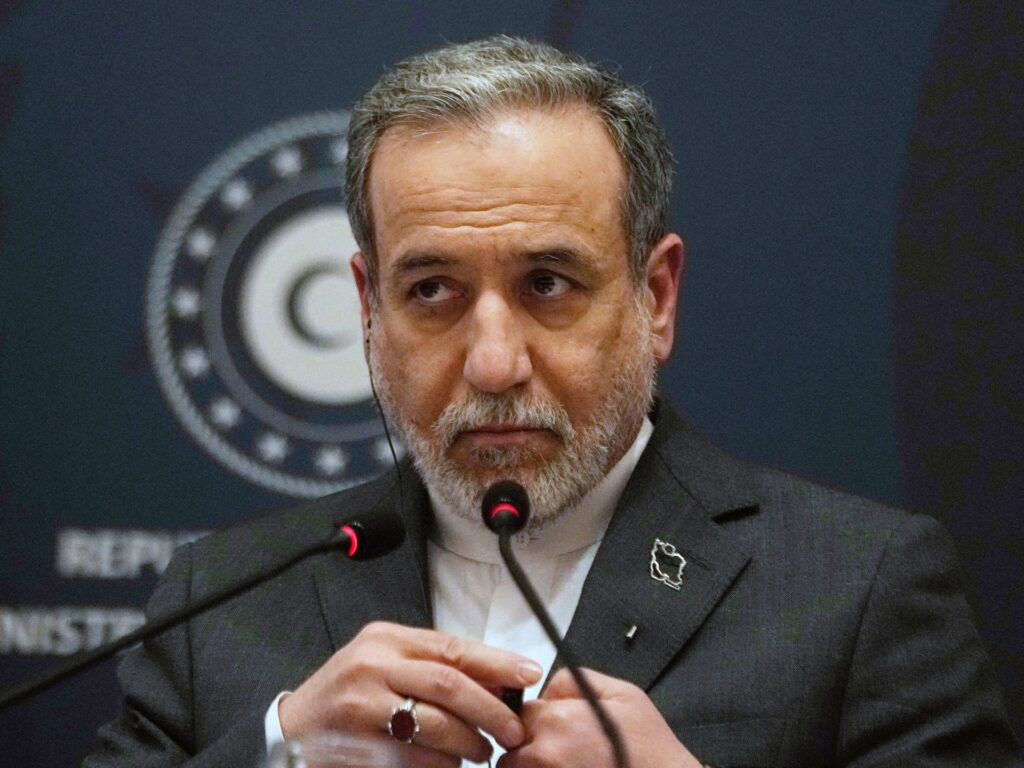
In a striking critique, Iran’s Deputy Foreign Minister Abbas Araghchi has labeled the European powers as ‘irrelevant’ in the ongoing nuclear negotiations with Tehran. Araghchi asserted that regional powers have played a significantly more effective role in the discussions compared to their European counterparts. This statement marks a pointed rebuke amid stalled talks over Iran’s nuclear program, which have largely involved European nations as key intermediaries. Araghchi’s comments highlight growing frustration within Iran regarding the perceived lack of progress and the diminishing influence of Europe in shaping the outcome of the nuclear dialogue.
The deputy foreign minister’s remarks come as tensions persist over Iran’s nuclear ambitions and the international community’s efforts to reinstate or reshape the 2015 nuclear agreement, also known as the JCPOA (Joint Comprehensive Plan of Action). While Europe has traditionally been a central player in facilitating these talks, Iran’s recent statements suggest a strategic pivot toward regional partners who may offer a more pragmatic or influential approach in negotiations.
European powers, including France, Germany, and the United Kingdom, have long urged Iran to comply with the nuclear deal’s restrictions to prevent the development of nuclear weapons. However, with the U.S. withdrawal from the JCPOA in 2018 and the reinstatement of sanctions, the negotiation dynamics have shifted considerably, complicating Europe’s role.
Araghchi’s criticism underscores the complexities of the geopolitical landscape in which these talks are embedded. He intimated that countries within the Middle East and surrounding regions have contributed more substantively to dialogue efforts, shaping a framework more aligned with Tehran’s interests and security concerns.
This development could signal a broader realignment in diplomatic engagements regarding Iran’s nuclear dossier. It raises questions about the future efficacy of European involvement and whether new channels of communication might emerge, centering more on regional stakeholders rather than distant European actors.
Observers note that Iran’s strategic emphasis on regional alliances underscores Tehran’s intent to circumvent Western pressures and sanctions by strengthening ties closer to home. The move may also reflect a response to what Tehran perceives as a lack of genuine commitment from European countries in delivering relief from economic constraints caused by international sanctions.
The international community continues to watch closely as these shifting alliances could impact not only the nuclear negotiations but also broader regional security architectures. The prospects of resuming a viable agreement remain uncertain, given the diverging interests and mutual suspicions among all parties involved.
In conclusion, Araghchi’s sharp rebuke of European powers as ‘irrelevant’ in nuclear talks marks a pivotal moment in the diplomacy surrounding Iran’s nuclear program. It illuminates a potential shift in negotiation dynamics, emphasizing the increasing role of regional powers in shaping outcomes. This realignment challenges the traditional European-centric approach and introduces new variables that could redefine efforts to achieve a sustainable resolution to one of the most consequential geopolitical issues in the Middle East.