The United States has overseen the relocation of more than 5,700 suspected ISIL detainees from detention centers in Syria to facilities in Iraq, according to recent reports. Iraqi authorities have confirmed the transfer and stated that detainees from 61 different nationalities have now arrived in the country.
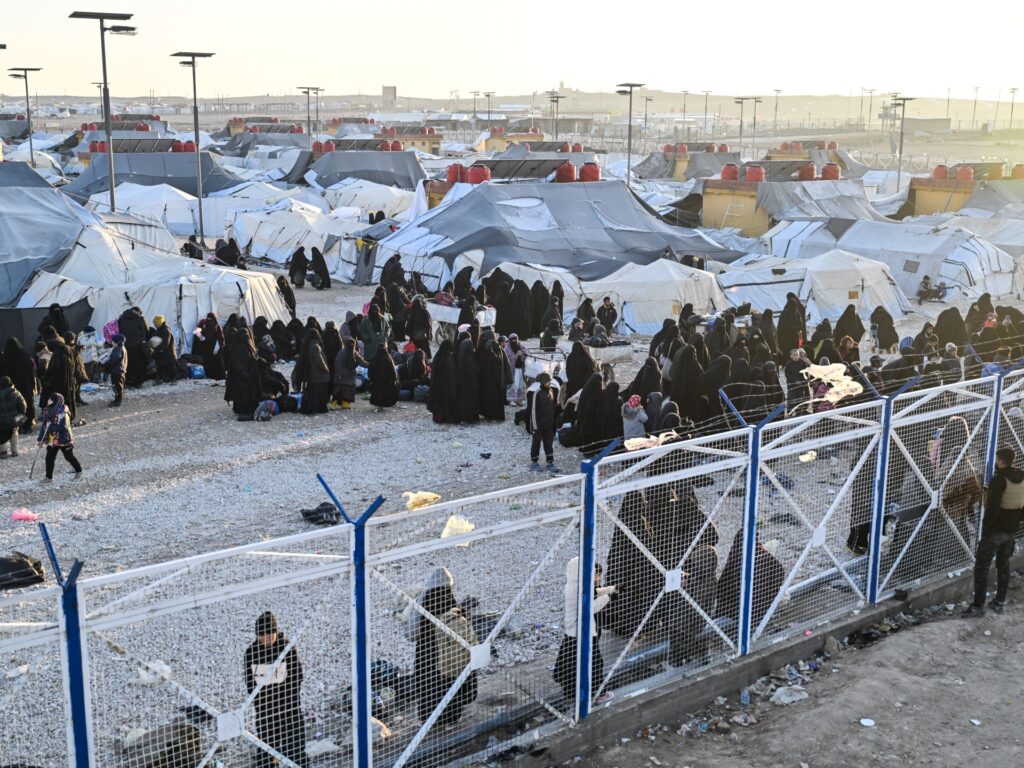
This significant movement of detainees marks one of the largest transfers of suspected ISIL members since the group’s territorial defeat in the region. The detainees were previously held in various camps and detention centers across Syria, many managed by Kurdish-led forces and backed by the US coalition. The relocation aims to consolidate custody under Iraqi authority, which has the legal mandate and capacity to prosecute these individuals.
According to Iraqi officials, the transferred detainees face charges related to terrorism and membership in the Islamic State of Iraq and the Levant. The transfer not only reflects the Iraqi government’s strengthened control over security and judicial proceedings but also addresses concerns about the management and security of detention camps in Syria.
Iraq has been calling for international support in handling former ISIL fighters and their families, especially in terms of legal processing and detention capabilities. By taking custody of detainees from 61 nationalities, Iraq is assuming a critical role in global counterterrorism efforts.
The US Department of Defense has emphasized the importance of partnering with Iraq to ensure these detainees are held accountable through due process. It also highlights the challenges faced by Syrian Kurdish forces in managing overcrowded and under-resourced detention facilities.
Human rights organizations have noted the need for fair trials and humane treatment of detainees while underscoring the dangers of prolonged detention without adequate legal mechanisms. The relocation to Iraq is expected to facilitate more organized judicial proceedings, yet concerns remain regarding the conditions of detention and access to independent oversight.
The move is part of broader efforts involving multiple international partners to dismantle ISIL networks and prevent the resurgence of extremist violence in the Middle East. It also reflects a shift in responsibility to regional authorities who are better positioned to manage threats and rebuild affected communities.
In conclusion, the transfer of suspected ISIL detainees from Syria to Iraq represents a critical phase in counterterrorism operations, reinforcing Iraqi sovereignty and enhancing judicial processes. However, it also calls for continued international collaboration to ensure justice, security, and respect for human rights are upheld throughout the detention and prosecution of these individuals.