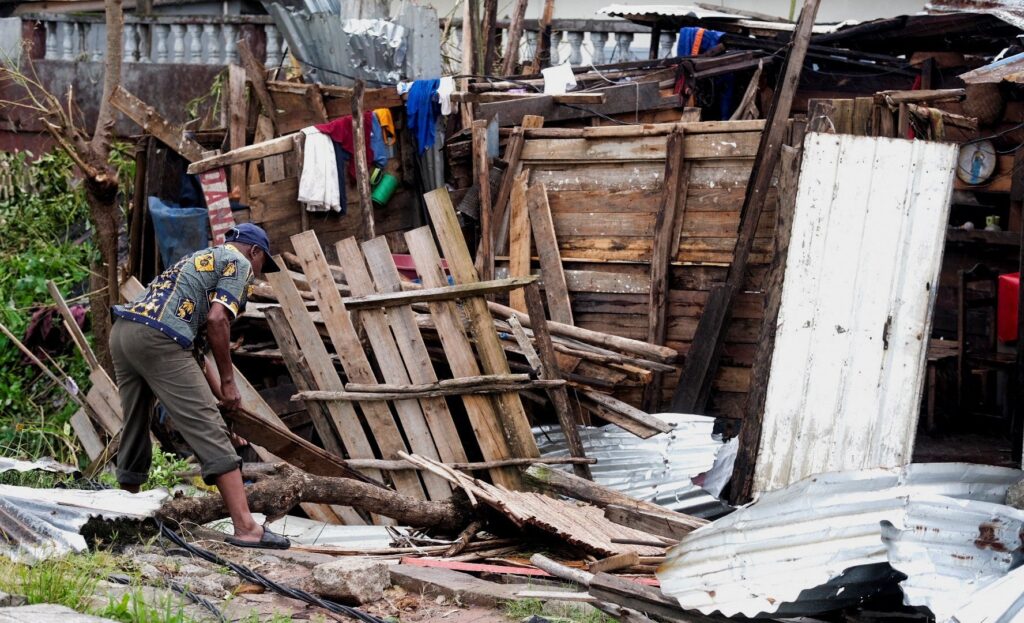
Cyclone Gezani, a powerful and deadly storm, has wreaked havoc across parts of Southern Africa, resulting in tragic loss of life and extensive damage. The cyclone has notably killed at least four people in Mozambique, particularly impacting the region of Inhambane. The storm struck Mozambique just a day after causing catastrophic destruction in Madagascar, where the death toll has surged to at least 41 individuals.
Mozambique’s Inhambane province bore the brunt of Cyclone Gezani’s fury. Residents reported widespread flooding and property damage as heavy rains and strong winds battered the coastal area. Emergency services swiftly moved to assist those affected, but the cyclone’s rapid progression hampered immediate relief efforts.
Meanwhile, Madagascar continues to assess the aftermath of the cyclone’s devastating passage. The island nation experienced severe storms that led to widespread flooding, landslides, and destruction of homes and infrastructure. Local authorities and international aid organizations have mobilized to provide support and begin the lengthy recovery process.
The devastation caused by Cyclone Gezani highlights the vulnerability of the region to extreme weather events, which are becoming more frequent and intense due to climate change. Both Mozambique and Madagascar face considerable challenges in rebuilding their communities and ensuring the safety of their populations against future natural disasters.
Efforts are underway to provide humanitarian aid, including food, clean water, shelter, and medical assistance to those displaced or injured by the cyclone. Additionally, meteorological services are emphasizing the importance of improved early warning systems and disaster preparedness to mitigate the impact of such powerful storms.
As Mozambique and Madagascar recover from Cyclone Gezani, international solidarity and support remain crucial. The immediate priority is to save lives, alleviate suffering, and restore essential services in the affected areas. Long-term strategies focused on resilience and adaptation will also be vital to protect these vulnerable communities against inevitable future cyclones and climatic disturbances.