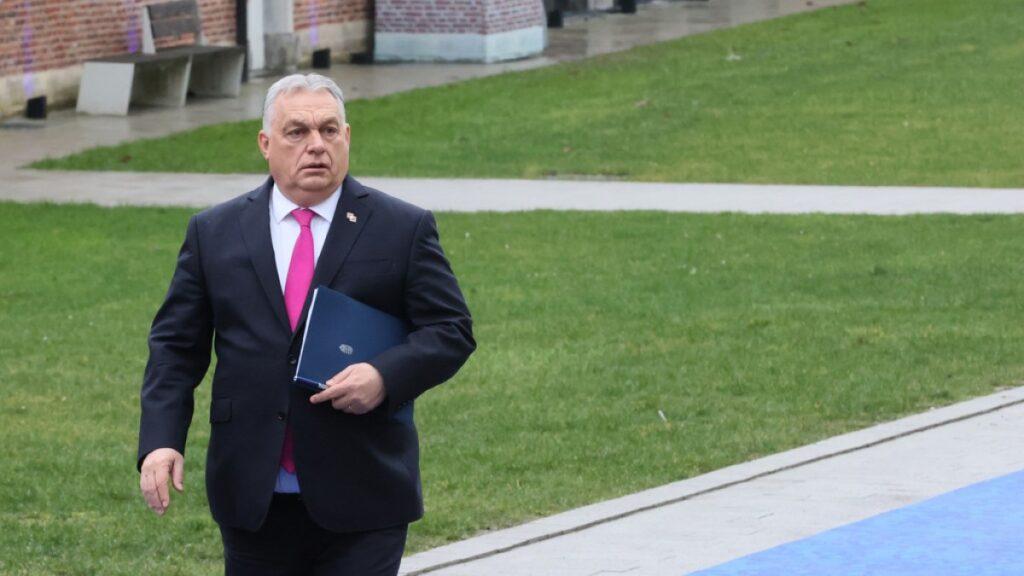
Hungarian Prime Minister Viktor Orbán has stirred significant controversy ahead of the country’s April elections by stating that the European Union poses a greater threat to Hungary than Russia. Known for his ‘illiberal’ style of governance, Orbán’s remarks have added to the ongoing debate about Hungary’s place within the EU and its foreign policy stance.
Orbán’s criticism of the EU underscores his long-standing skepticism towards the bloc’s influence on Hungarian sovereignty and policies. This perspective is not new but has gained renewed attention as the elections approach, with Orbán positioning himself as a defender of national interests against what he perceives as overreach by Brussels.
The Prime Minister’s comments reflect a broader narrative espoused by his administration, which often emphasizes national sovereignty and traditional values in opposition to the EU’s push for integration and liberal democratic norms. Orbán’s government has frequently clashed with EU institutions over issues such as migration policies, judicial independence, and media freedom.
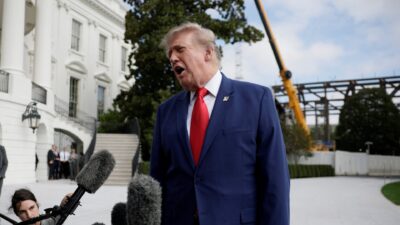
Adding to the political significance of these developments, Orbán recently received public endorsement from former U.S. President Donald Trump, signaling strong transatlantic support for his policies and leadership style. Trump’s backing is particularly notable given Orbán’s controversial reputation in Western political circles.
Further cementing Hungary’s ties with influential U.S. figures, Secretary of State Marco Rubio is scheduled to visit Budapest on Sunday to meet with Orbán. This planned meeting highlights the complex geopolitical dynamics at play, as Hungary navigates its relationships with both the European Union and the United States.
Orbán has consistently sought to balance Hungary’s strategic interests by maintaining close ties with the U.S. while simultaneously challenging EU policies that he views as detrimental to Hungary’s autonomy. The upcoming elections will serve as a critical test of his approach and the Hungarian electorate’s response to his governance.
Political analysts suggest that Orbán’s narratives about the EU being a bigger threat than Russia may resonate with segments of the population concerned about national sovereignty and economic independence. However, these statements also risk deepening divisions within Hungary and between Hungary and its European partners.
International observers are closely monitoring the situation, understanding that the outcome of the elections and Orbán’s subsequent actions could influence regional stability and the future of EU-Hungary relations.
In summary, Prime Minister Viktor Orbán’s assertion that the European Union represents a bigger threat to Hungary than Russia marks a significant moment in Hungarian politics. Coupled with high-profile endorsements and diplomatic visits, this stance highlights Hungary’s pivotal role in the ongoing geopolitical contest between national sovereignty and supranational integration in Europe.