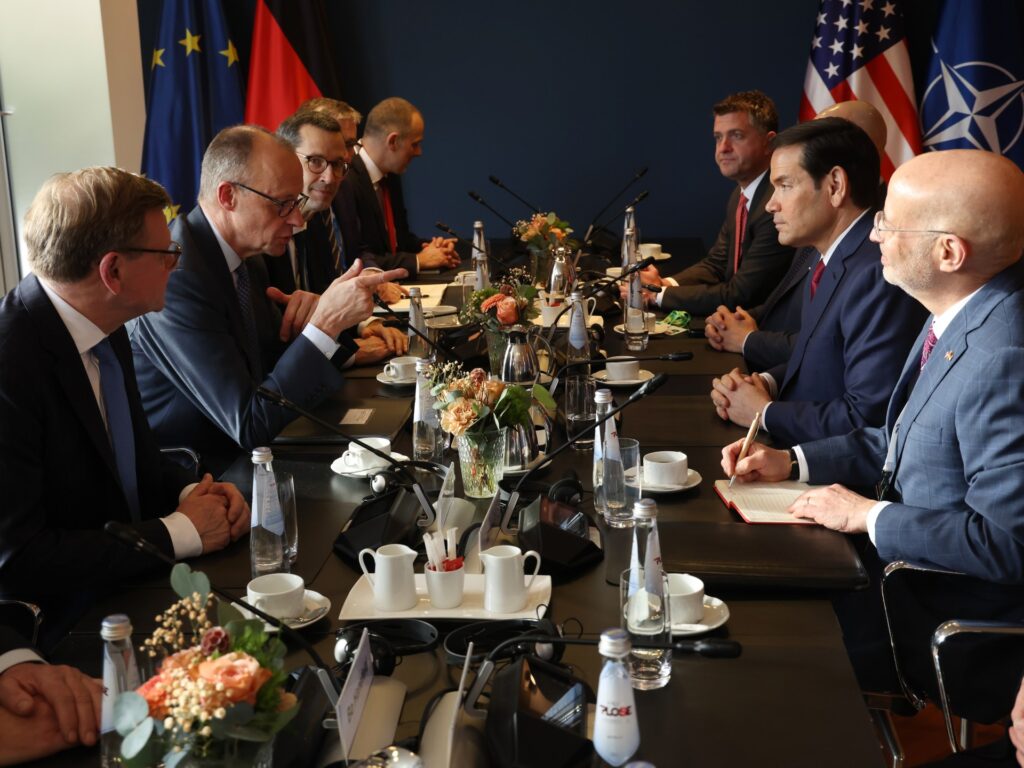
The Munich Security Conference, an annual key event in the global diplomatic calendar, is currently underway, with world leaders gathering for the second day to discuss pressing international security issues. Today’s agenda features high-profile participation, including the United States’ top diplomat, Ukraine’s president, the British Prime Minister, and the Foreign Minister of Syria.
The conference is renowned for bringing together government officials, policymakers, and experts from around the world to address contemporary challenges to international peace and security. This year’s event is particularly charged due to ongoing geopolitical conflicts and the need for multilateral cooperation.
The presence of Ukraine’s president highlights the continuing concerns regarding the conflict in Eastern Europe and the need for sustained international support and diplomatic solutions. Discussions are expected to address the implications of the crisis on regional stability and global security frameworks.
The involvement of the United States’ top diplomat underscores Washington’s strategic interests and its commitment to alliance-building and diplomatic engagement in resolving global conflicts and countering emerging threats.
The British Prime Minister’s participation reflects the United Kingdom’s role in international security and its focus on forging partnerships to tackle issues such as terrorism, cyber security, and the geopolitical shifts post-Brexit.
Syria’s Foreign Minister attending the conference signals efforts to address the protracted conflict in Syria, humanitarian concerns, and the broader Middle East security situation. The attendance of Syrian leadership at such a high-profile event suggests potential diplomatic openings or shifts in international engagement strategies.
Throughout the conference, topics such as nuclear non-proliferation, climate-related security risks, cyber threats, and the global impacts of regional conflicts are being debated. Delegates emphasize the necessity of cooperative security mechanisms and the urgency of addressing new and traditional challenges alike.
The event serves as a critical platform for bilateral and multilateral talks, with numerous side meetings and negotiations complementing the main sessions. The dialogue aims to foster mutual understanding and pave the way for actionable outcomes that can enhance global security architecture.
The gathering also reflects the complex dynamics of international relations in 2024, where issues of sovereignty, alliance commitments, and competing geopolitical interests converge. As leaders deliberate, the global community watches closely, anticipating announcements and initiatives that could shape the trajectory of international peace and stability.
In summary, the second day of the Munich Security Conference continues to be a focal point for diplomatic engagement, with significant participation from world leaders signaling the importance of collective security efforts amidst a turbulent geopolitical landscape. The outcomes of these discussions are poised to influence policy decisions and international cooperation in the months ahead.