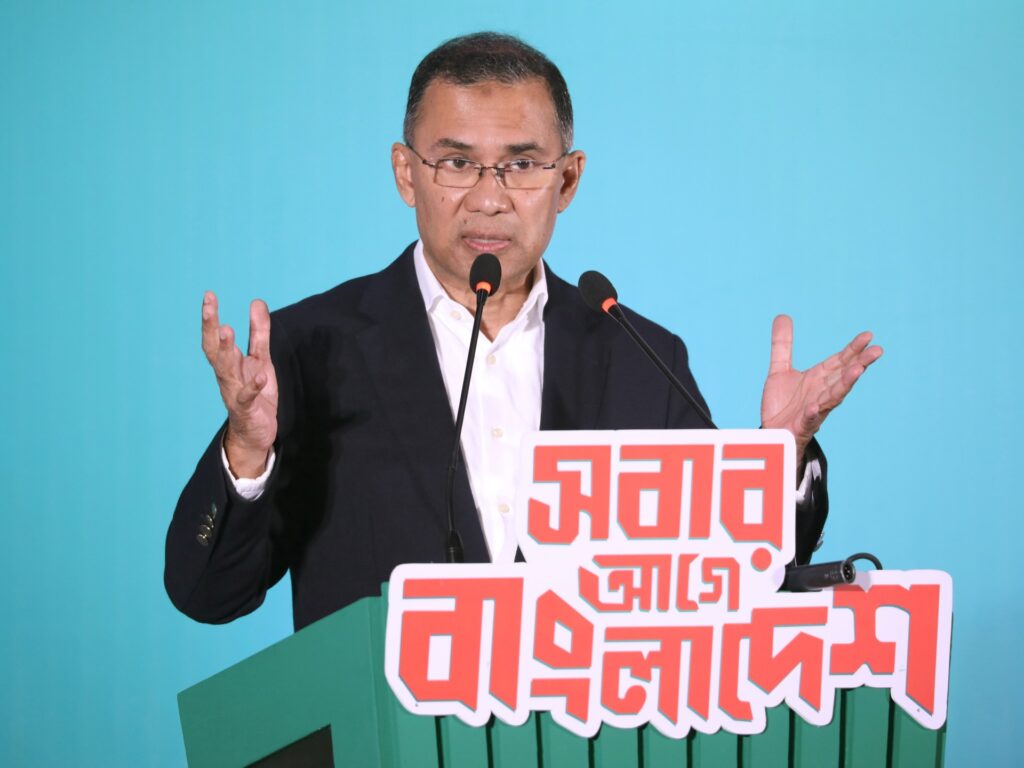
As Bangladesh braces itself for the upcoming elections this Thursday, the political landscape is witnessing a significant shift with the return of BNP leader Tarique Rahman after 17 years in exile. Rahman, son of former Prime Minister Khaleda Zia, has emerged as a prominent figure in the opposition, leading opinion polls as a potential prime ministerial candidate. This development raises the pressing question: Is Tarique Rahman the change Bangladesh is eagerly awaiting after Sheikh Hasina’s long tenure in power?
Sheikh Hasina, the incumbent Prime Minister and leader of the Awami League, has been a dominant figure in Bangladesh politics for over a decade. Her policies and governance have shaped the country’s trajectory considerably, with notable progress in economic growth and infrastructure development. However, critics accuse her administration of authoritarian tendencies and curbs on political dissent.
Rahman’s return from a prolonged exile marks a crucial chapter in Bangladesh’s political narrative. His leadership of the Bangladesh Nationalist Party (BNP) signals a renewed vigor in opposition politics. After years of political marginalization, Rahman is attempting to position the BNP as a viable alternative to the Awami League’s rule.
Opinion polls conducted ahead of the elections reflect a growing public interest in Rahman’s leadership. Many voters, particularly the youth, are expressing a desire for change, seeking new policies and governance styles. Rahman’s campaign has focused heavily on promises of economic reform, anti-corruption measures, and restoration of democratic norms.
However, Rahman’s political journey has not been free from controversy. His years in exile were marked by allegations of corruption and legal challenges, factors that critics warn could hinder his potential leadership. Furthermore, the BNP’s internal cohesion and ability to mobilize widespread support remain in question.
Despite the challenges, the political climate in Bangladesh suggests a competitive electoral battle. The people’s yearning for change and a fresh approach to governance is palpable. Rahman’s campaign resonates with sections of the population disillusioned with the status quo.
Analysts note that Tarique Rahman’s return could rejuvenate the BNP’s political fortunes and deepen democratic engagement in Bangladesh. The elections will be a litmus test of whether the electorate is ready for a shift in governance after years under Sheikh Hasina.
In conclusion, while Sheikh Hasina has left a strong imprint on Bangladesh, Tarique Rahman’s comeback offers a distinct alternative that many voters see as the change the nation seeks. The upcoming election results will ultimately reveal if Rahman’s vision aligns with the aspirations of the Bangladeshi people and whether he can lead Bangladesh into a new era of politics and progress.