In a significant development amid escalating tensions in Gaza, a coalition of eight global non-governmental organizations (NGOs) has collectively refused to comply with Israel’s demand for detailed information about their Palestinian staff members. This defiance follows the recent ban imposed on Médecins Sans Frontières (MSF), also known as Doctors Without Borders, which has been a key humanitarian actor in the region.
MSF’s ban came after concerns were raised by Israeli authorities regarding operations within Gaza. In response, the organization has been compelled to halt its activities in the area, a move that has sparked widespread concern among international humanitarian circles.
The eight NGOs, operating under challenging and volatile conditions, have expressed grave apprehensions about the safety of their local Palestinian employees. They argue that providing Israel with personal details could jeopardize the security and livelihoods of these individuals, many of whom play crucial roles in delivering medical, educational, and social services amidst ongoing conflict.
This collective decision highlights a broader resistance by humanitarian groups against measures they perceive as threats to their impartiality and operational independence. NGO representatives have underscored the principle of neutrality, emphasizing that their primary obligation is to the people they serve, regardless of political pressures.
International reactions have been mixed. Some governments and observer groups have criticized Israel’s stringent regulations, warning that such actions might undermine crucial humanitarian efforts and exacerbate the suffering of civilians caught in the crossfire.
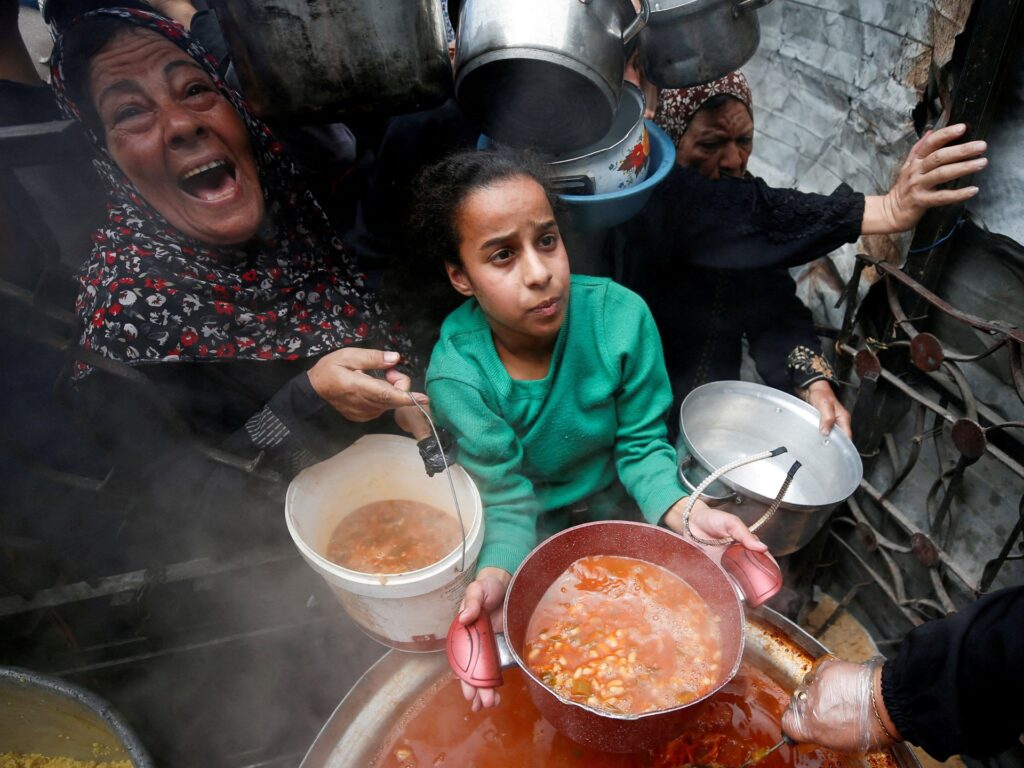
The situation in Gaza remains precarious, with civilians bearing the brunt of conflict-related hardships. Humanitarian agencies continue to call for unimpeded access to deliver aid and for the protection of their staff and beneficiaries.
Experts suggest that the refusal by these NGOs to share sensitive information marks a ‘red line’ in humanitarian operations, emphasizing the delicate balance between security concerns and the imperative to maintain humanitarian principles.
As tensions escalate, the role of international NGOs becomes ever more critical. Their steadfast commitment to protecting their staff and upholding human rights in Gaza illustrates the immense challenges faced by aid workers operating in conflict zones.
Looking forward, the international community faces pressing questions about how to ensure the safety of humanitarian personnel while respecting the sovereignty and security concerns of states involved in complex conflicts. The unfolding scenario in Gaza serves as a potent reminder of the deep intersection between politics, security, and humanitarian action on the global stage.