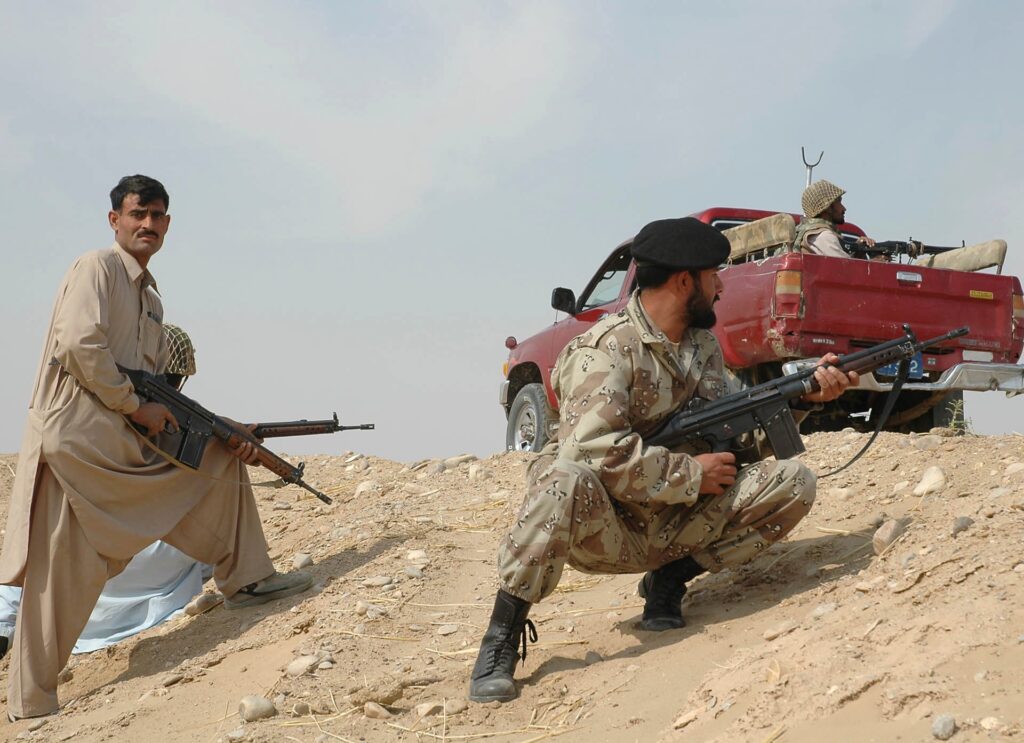
In a significant military operation conducted in the volatile region of Balochistan, Pakistan’s armed forces successfully killed 41 armed fighters identified as militants. The raid, which took place over the past week, targeted militant hideouts in an effort to combat insurgency and restore order in the region.
Balochistan, Pakistan’s largest province by area, has long been the center of separatist insurgencies and militant activities. The ongoing conflict has resulted in decades of violence and instability, impacting both security and development in the area.
The Pakistan military authorities have stated that the fighters killed in the operation were linked to hostile foreign influences, specifically alleging connections to India. However, the military has not provided concrete evidence to support these claims, leading to skepticism and calls for transparency from observers and regional actors.
This military action underscores the tense and complex geopolitical dynamics in the region, where accusations and counter-accusations frequently emerge between Pakistan and India, particularly over issues related to security and territorial integrity.
The government of Pakistan has emphasized its commitment to eradicating militancy and protecting the sovereignty of the nation. Officials assert that such operations are necessary to combat terrorism and bring peace to the affected communities in Balochistan.
Meanwhile, human rights organizations and independent analysts have raised concerns about the humanitarian impact of such military offensives. They urge for careful investigations into the circumstances of the killings, proper identification of the deceased, and respect for human rights during anti-insurgency campaigns.
The Balochistan region’s instability remains a significant challenge for Pakistan’s internal security and regional stability. The recent raid is likely to influence the ongoing efforts to negotiate peace and address the grievances of different factions within the province.
As Pakistan continues its military and political approach to the unrest in Balochistan, the international community watches closely. It hopes for a peaceful resolution that respects human rights and promotes sustainable development to alleviate longstanding tensions in the area.
The claims linking the slain fighters to India add another layer of complexity to the already fragile situation. Without verifiable evidence, these allegations risk escalating diplomatic tensions between the two neighboring countries.
In conclusion, the Pakistan military’s recent operation in Balochistan marks a decisive yet contentious step in the fight against armed militancy. The death of 41 fighters in the raids reflects the ongoing conflict’s intensity but also highlights the need for transparency, accountability, and efforts towards peace and reconciliation in the troubled region.