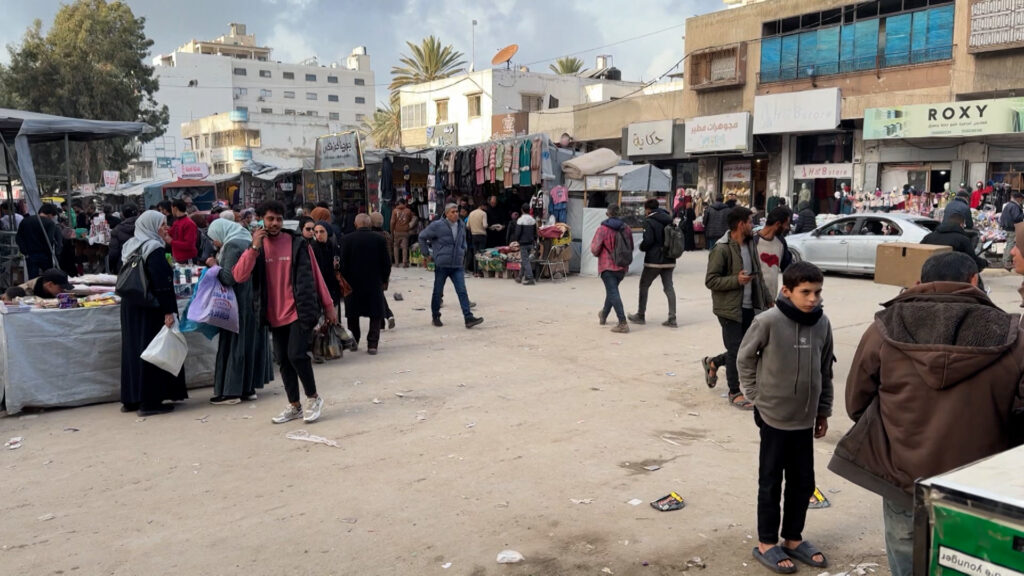
Palestinians in Gaza are currently waiting with great uncertainty and hope as the partial reopening of the Rafah border crossing by Israeli authorities comes into effect. The Rafah crossing, which connects Gaza to Egypt, is vital for the movement of people and essential goods, and its closure has long been a source of hardship for Gazans.
The Rafah crossing is one of the few points of exit and entry for Palestinians in Gaza, especially critical given the restrictions on the Gaza Strip. The crossing’s opening allows for limited passage, mainly for humanitarian cases, medical evacuations, and some commercial goods, but the long wait and limited access continue to fuel anxiety among the population.
This partial reopening is seen as a crucial step in alleviating the dire humanitarian situation in Gaza, which has been exacerbated by years of blockade and periodic conflicts affecting infrastructure and essential services. Health facilities in Gaza heavily depend on the crossing to bring in medical supplies and allow patients needing specialized treatment to travel outside the enclave.
Residents and families separated by the blockade have expressed cautious optimism, hoping this opening will provide relief and a chance to reunite or access necessary resources. However, the partial nature of the reopening means that many remain trapped, unable to exit or receive the goods they urgently require.
International aid organizations have welcomed the move but emphasize that sustainable and consistent access is essential to address the ongoing humanitarian crisis effectively. The crossing’s status remains a key factor in political dialogues and peace talks concerning the Israeli-Palestinian conflict.
Local authorities in Gaza are coordinating with Egyptian officials to manage the flow of people and goods through Rafah, while continuing to call for a full reopening to meet the immense needs of the population.
As Palestinians in Gaza wait for the crossing to open, their resilience is evident, but so is their urgent need for freedom of movement and access to life-saving supplies. The international community continues to watch closely, urging all parties to ensure that the crossing remains open and that humanitarian needs are prioritized.
The situation at Rafah highlights the broader challenges faced by Palestinians living under blockade, underscoring the critical role of border crossings in providing lifelines to isolated communities and the ongoing impact of geopolitical tensions on everyday life in Gaza.