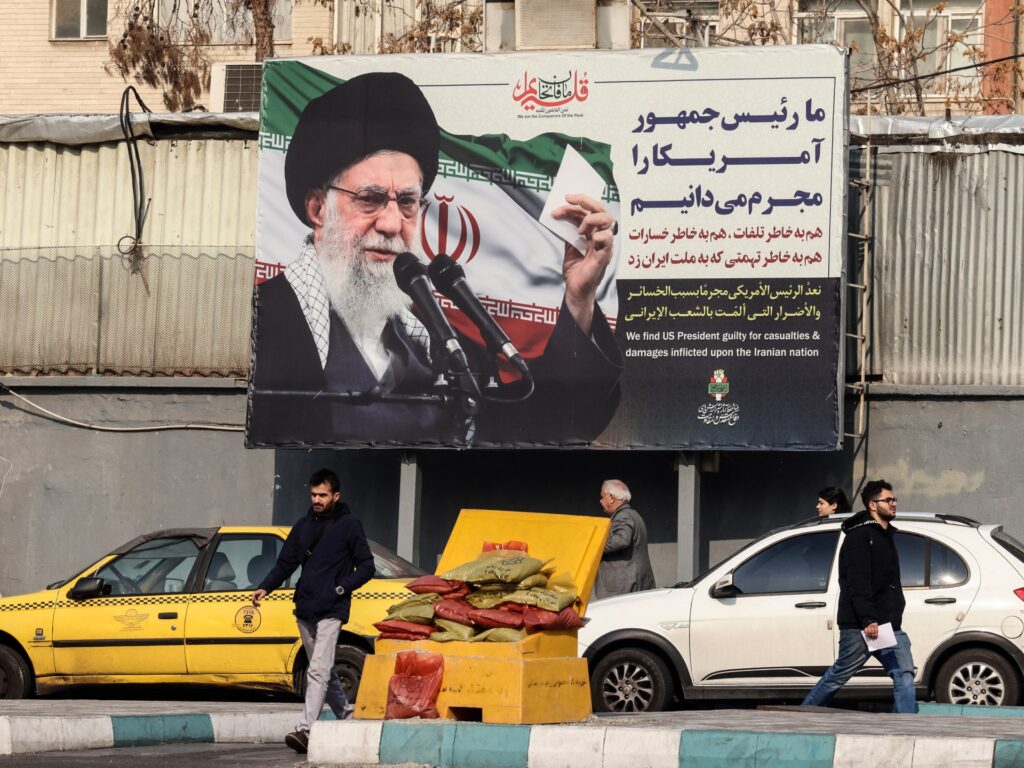
Tensions between Iran and the United States have escalated sharply after recent threats made by former President Donald Trump. In response, Iran has declared that it will deliver an unprecedented retaliation should the US initiate any attack. This declaration marks a significant escalation in rhetoric, signaling a possible intensification of the longstanding conflict between the two nations.
Iran’s statement came shortly after Trump issued stern warnings to Tehran, warning of severe consequences if the country takes any aggressive actions against US interests or allies in the region. The Iranian government emphasized that its response would be unlike anything seen before, indicating a shift to a more aggressive posture.
Experts suggest that this development could lead to heightened instability in the Middle East, a region already fraught with geopolitical challenges. The potential for a military confrontation could disrupt global oil markets and exacerbate tensions among international powers with vested interests in the area.
The underlying causes of the recent flare-up include longstanding disagreements over Iran’s nuclear program, US sanctions, and proxy conflicts in the Middle East. Despite diplomatic efforts in the past to de-escalate tensions, both sides appear to be moving further apart with each exchange of threats.
Analysts warn that the situation requires careful diplomatic navigation to prevent an escalation into open conflict. International organizations and allied countries have called for restraint and dialogue to address the root causes of the tension.
This latest episode adds a new chapter to the complicated and often volatile relationship between Iran and the United States, underscoring the fragility of peace in the region and the high stakes involved.