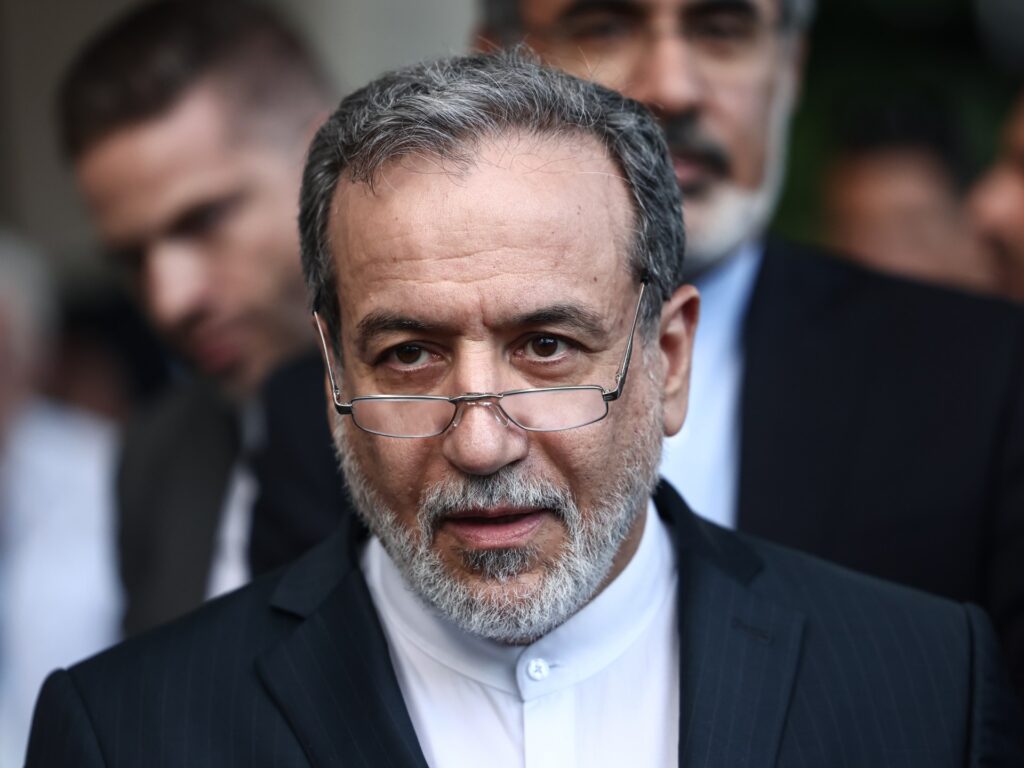
In a tense escalation of rhetoric between Iran and the United States, Iran’s Foreign Minister has firmly rejected threats made by former US President Donald Trump, declaring that Tehran is prepared to respond decisively to any American attack. The Iranian official underscored the readiness of the country’s armed forces, stating that they have “fingers on the trigger” and are fully capable of countering any aggression from Washington.
This latest statement comes amidst worsening relations that have seen increased hostility and aggressive posturing on both sides. Iran’s assertiveness signals a shift in its approach to US provocations, highlighting a determination not to back down in the face of threats.
The Iranian government emphasized that the country’s military capabilities are robust and that they maintain high alert to protect national sovereignty against any foreign military action. The minister’s remarks serve as a warning to the US administration that any use of force will be met with strong retaliation.
While former President Trump had rolled back diplomatic efforts and intensified sanctions against Iran, the current discourse reveals that Tehran remains defiant and vigilant, refusing to be intimidated by threats. Relations between the two countries have been characterized by lingering mistrust, with both sides exchanging verbal warnings.
Analysts observe that Iran’s readiness to respond militarily increases the stakes in the already volatile US-Iran relationship. The rhetoric indicates a cycle of escalation that could potentially lead to direct conflict if diplomatic channels are not restored.
The international community watches closely as Iran’s statement reaffirms its posture of resistance and deterrence. The possibility of confrontation carries risks not only for the two nations involved but also for regional stability in the Middle East.
Experts suggest that any miscalculation or aggressive move could spark broader instability, making diplomatic engagement essential to de-escalate tensions. Iran’s message is clear — it will not hesitate to defend itself against perceived US hostility, and Washington should consider the consequences of any military action.
As this narrative unfolds, global powers are urged to promote dialogue and avoid provocations that could exacerbate conflict. The ongoing stalemate serves as a reminder of the fragility of peace in the region and the critical need for cautious diplomacy.