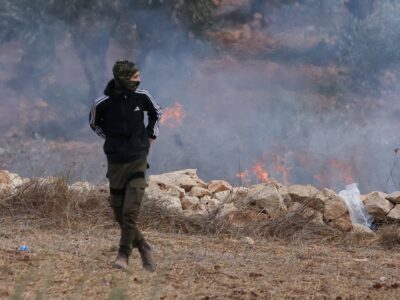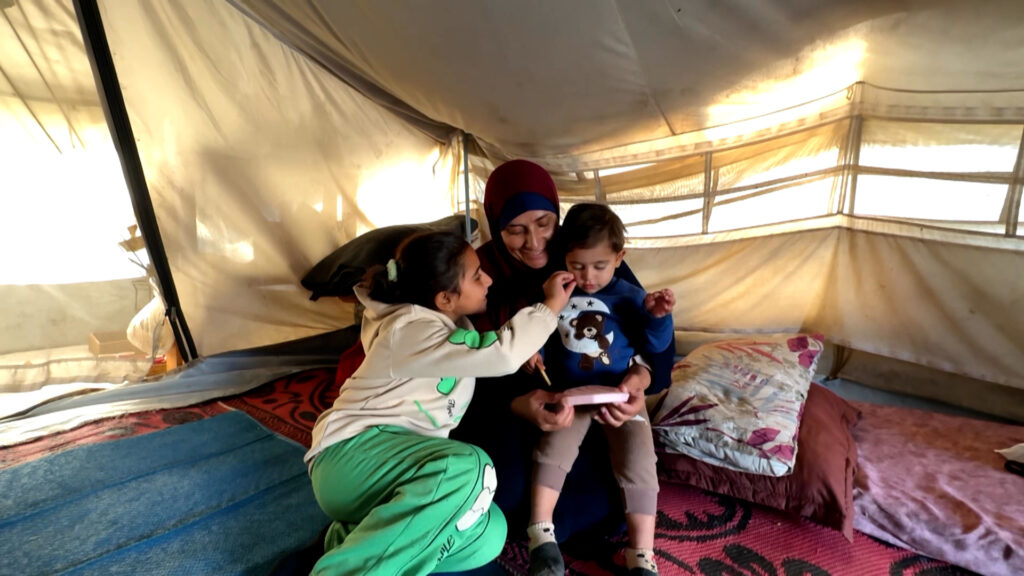
In a devastating humanitarian crisis that has unfolded over the last 27 months, over 2,700 Palestinian families in Gaza have been wiped out amid ongoing conflict and aggression. This staggering toll highlights the severe impact of violence and warfare in the region, as Israel’s military operations have led to significant loss of life, displacement, and destruction.
The Gaza Strip, a small but densely populated area, has long been a focal point of tensions and conflict between Israel and Palestinian groups. The recent months have seen escalations marked by airstrikes, ground incursions, and blockades that have severely affected civilian populations.
Human rights organizations and international observers have raised alarm over reports describing these actions as amounting to genocide against Palestinians in Gaza. The term genocide implies systematic and deliberate acts aimed at the destruction of an ethnic, national, or religious group, and many argue the scale and nature of destruction point to such violations.
Over 2,700 families have reportedly been wiped out, which translates to tens of thousands of individuals losing their lives, homes, and communities. Families once vibrant and thriving have been reduced to ashes, with many survivors facing ongoing trauma, displacement, and scarce resources.
The humanitarian crisis in Gaza has been compounded by restricted access to medical aid, food, water, and shelter. The blockade and continued hostilities have severely limited supply routes, leaving civilians with inadequate means to sustain themselves.
International organizations, including the United Nations, have repeatedly called for ceasefires and negotiations to prevent further loss of life and to open humanitarian corridors. However, political complexities and ongoing hostilities have hindered significant progress toward peace and relief in the region.
The loss of over 2,700 families represents not just a numerical figure but a profound social and cultural tragedy. Each family carries a legacy, history, and future that has been abruptly ended. The wider Palestinian community continues to mourn these losses and advocates for justice and recognition of their suffering.
Meanwhile, global reactions have been mixed, with some nations condemning the violence and others taking a more neutral or supportive stance toward Israel’s actions. Calls for accountability, investigations into war crimes, and strengthened international law enforcement have gained traction among advocacy groups.
The conflict’s impact goes beyond immediate casualties, affecting generations to come. Psychological trauma, disrupted education, economic instability, and damaged infrastructure will challenge Gaza’s recovery for decades.
Efforts by humanitarian groups continue to provide aid, support mental health, and rebuild communities amidst ongoing danger. Yet the scale of destruction and political obstacles make these efforts profoundly difficult.
The situation in Gaza remains one of the most pressing humanitarian emergencies in the world today. Understanding the magnitude of over 2,700 families wiped out in less than three years underscores the urgent need for comprehensive peace talks, protection of civilian lives, and sustained international engagement.
Addressing the root causes of the conflict, ensuring accountability, and fostering reconciliation remain critical to preventing further tragedies and moving toward a future where all people in the region can live in peace and dignity.