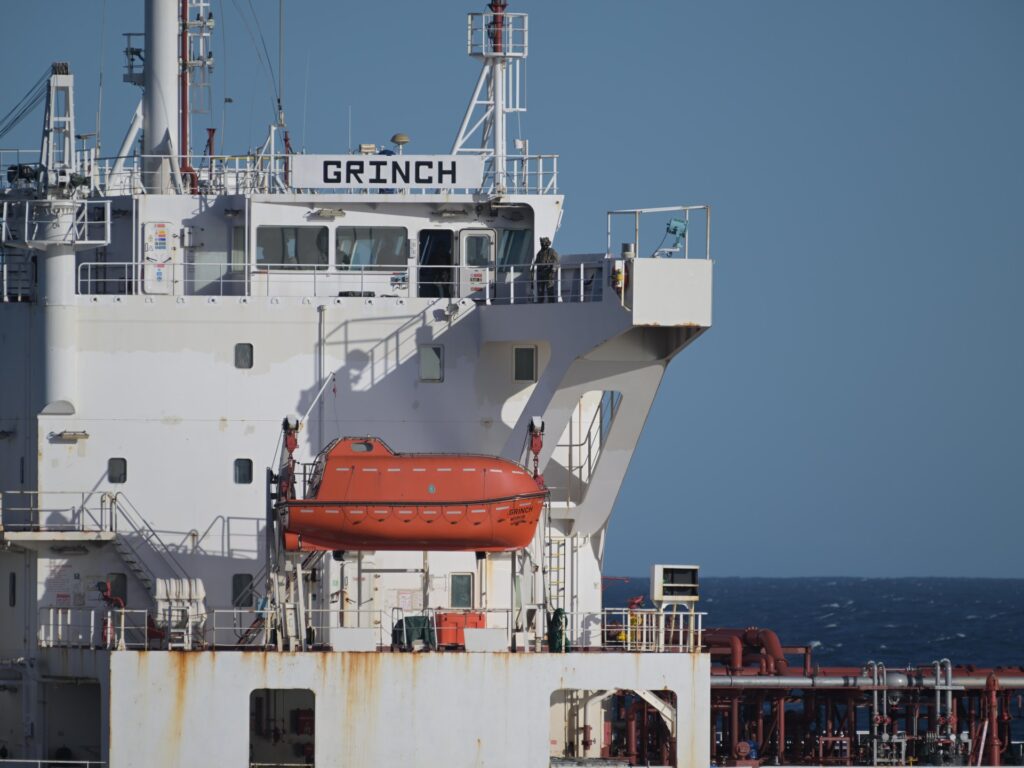
In a decisive operation in the western Mediterranean, French naval forces intercepted the Russian-linked tanker “Grinch,” a vessel associated with Russia’s so-called “shadow fleet.” Following the interception, the tanker was directed to a French port, where it is currently under investigation by French prosecutors.
The ‘Grinch’ has garnered attention due to its connections with Russia’s intricate network of maritime vessels often referred to as the ‘shadow fleet.’ These fleets typically operate under conditions that attract scrutiny due to potential sanctions evasion or other illicit activities.
French authorities have confirmed that prosecutors are actively probing the circumstances surrounding the tanker, including its cargo, ownership, and route. The investigation is part of broader efforts by Western nations to monitor and regulate Russian maritime activities amidst geopolitical tensions and sanctions.
Naval forces in the Mediterranean play a strategic role in enforcing maritime laws and ensuring security, and their intervention in this case highlights the significance attributed to the movements of such vessels.
The incident underscores the ongoing challenges faced by international maritime authorities in tracking and regulating the shipping activities of certain flagged vessels, particularly those linked to nations under sanction regimes.
Experts note that the interception and investigation could lead to further restrictions or legal actions against the operators of the ‘Grinch’ and possibly other vessels in the shadow fleet.
This development follows a series of similar interceptions and investigations aimed at disrupting networks that might facilitate unauthorized trade or concealment of shipments.
Authorities are currently gathering detailed information from the vessel’s manifests and crew interviews to build a comprehensive case.
The French government has reiterated its commitment to upholding international maritime regulations and cooperating with allied countries to address risks posed by opaque maritime operations.
The international community continues to monitor the situation, as outcomes may have broader implications for maritime security and sanctions enforcement frameworks worldwide.