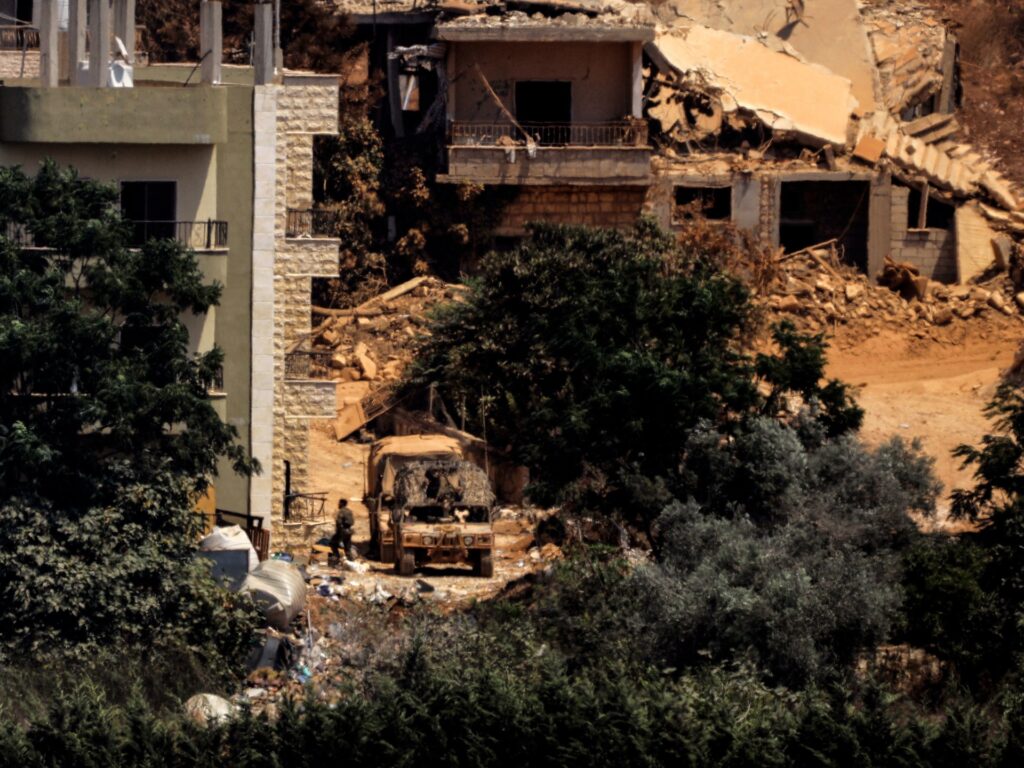
Lebanon’s Prime Minister has urgently called for a clear timetable for the withdrawal of Israeli forces from disputed areas, highlighting the need to restore and maintain Lebanon’s sovereignty and security. This appeal comes amid heightened tensions and political complexities involving the Israeli military presence near Lebanese borders.
The Prime Minister emphasized the importance of a negotiated and verifiable exit strategy for Israeli troops to ensure stability in the region and prevent further escalation of conflicts. This timetable is viewed as a critical step toward peaceful coexistence and respect for international boundaries.
However, the Lebanese government’s stance has been met with strong criticism from Hezbollah, the powerful Shiite militant group and political party in Lebanon. Hezbollah has publicly condemned the official approach taken by Beirut, accusing the government of exposing the Lebanese Armed Forces (LAF) to unnecessary risks and increasing pressure from Israel.
Hezbollah’s leaders argue that the Lebanese military is being placed in a vulnerable position by the government’s handling of the conflict issues with Israel. They stress that the current strategy does not sufficiently protect Lebanon’s southern regions where Hezbollah has significant influence and operational capacities.
This clash highlights the deep political divides within Lebanon regarding how to handle Israeli presence and relations. Hezbollah, which opposes any form of negotiation perceived to weaken Lebanon’s defense, advocates for a more hardline stance against Israel, generally rejecting compromise.
The disagreement underscores Lebanon’s broader political instability, with various factions vying over the country’s diplomatic and military strategies. While the Prime Minister seeks a diplomatic solution with clear timelines and assurances, Hezbollah continues to push for resistance and armed deterrence.
The Lebanese army, caught between these political forces, faces complex challenges as it strives to maintain neutrality and defend Lebanon’s borders. Its role is becoming increasingly difficult amid competing pressures from domestic factions and external threats.
This situation has attracted international concern, with many countries urging Lebanon to unify its security policies and seek peaceful negotiations to avert potential conflict. The United Nations and other international bodies are closely monitoring developments along the Israel-Lebanon border.
In conclusion, Lebanon stands at a crossroads with pressing demands for Israeli withdrawal paired with internal discord. The government’s call for a timetable reflects a desire for structured disengagement, but Hezbollah’s opposition signals ongoing tensions that may influence Lebanon’s security landscape for the foreseeable future.