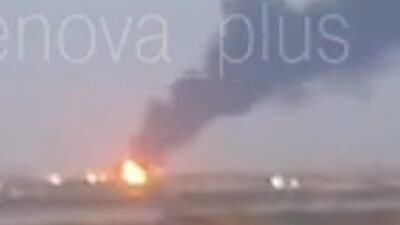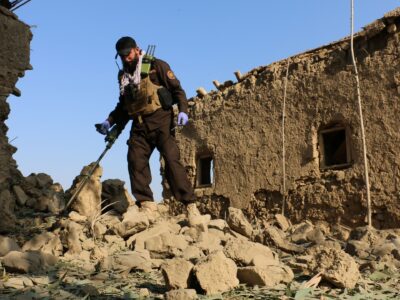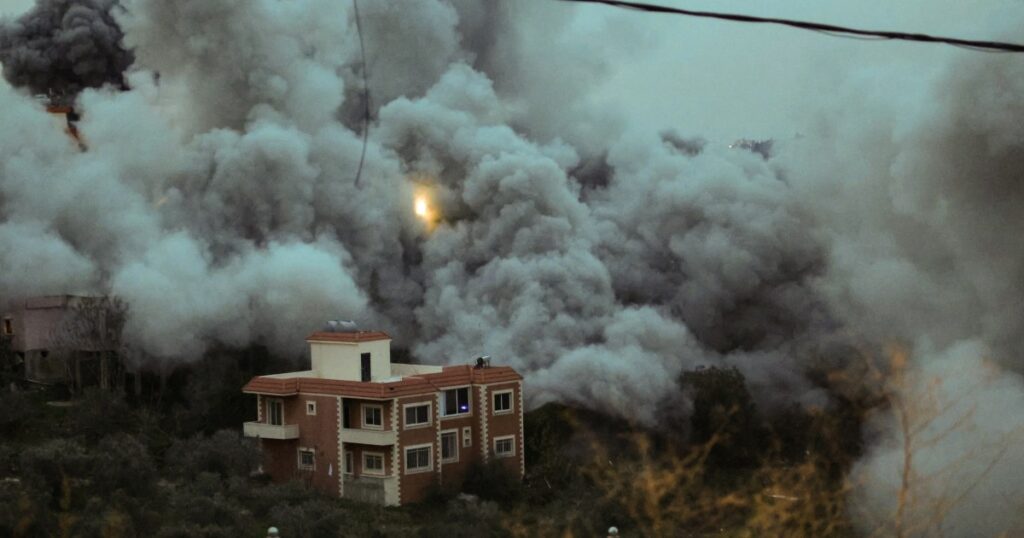
In a significant escalation of tensions in the Middle East, Israel launched airstrikes targeting four border crossings between Syria and Lebanon. The attacks resulted in the deaths of two individuals in southern Lebanon. These strikes come amid ongoing conflict and heightened hostilities in the region.
The targeted border crossings are crucial points that facilitate movement and logistics between Syria and Lebanon. The Israeli military stated that the attacks were aimed at what they described as militant infrastructure used by groups hostile to Israel.
Lebanese President Joseph Aoun responded vehemently to the airstrikes, condemning what he called Israel’s “policy of systematic aggression.” President Aoun emphasized that these attacks directly target civilians, exacerbating an already fragile security situation in Lebanon.
The strikes have raised concerns about further destabilization in the area. Lebanon has been grappling with multiple internal challenges, including political instability, economic hardship, and the presence of various armed factions.
Israel’s actions are viewed by many as part of a broader strategy to neutralize threats along its northern border. However, critics voice concern over the humanitarian impact of such military operations, particularly when civilian lives and infrastructure are affected.
The international community has expressed calls for restraint and urged both sides to avoid further escalation. The United Nations and various world leaders have highlighted the need for dialogue and peaceful resolution to conflicts in the region.
This latest development follows a series of confrontations and skirmishes in the area, reflecting the complex and volatile nature of Middle Eastern geopolitics. The involvement of multiple state and non-state actors complicates efforts to achieve lasting peace.
The Lebanese government is expected to hold emergency sessions to address the fallout from the attacks, focusing on protecting its citizens and managing diplomatic responses.
Analysts warn that without a coordinated and comprehensive approach, the cycle of violence in the Syria-Lebanon border zone may continue, posing risks to regional and international security.
This incident underscores the persistent volatility of the Middle East and the urgent need for renewed efforts toward stability and conflict resolution.