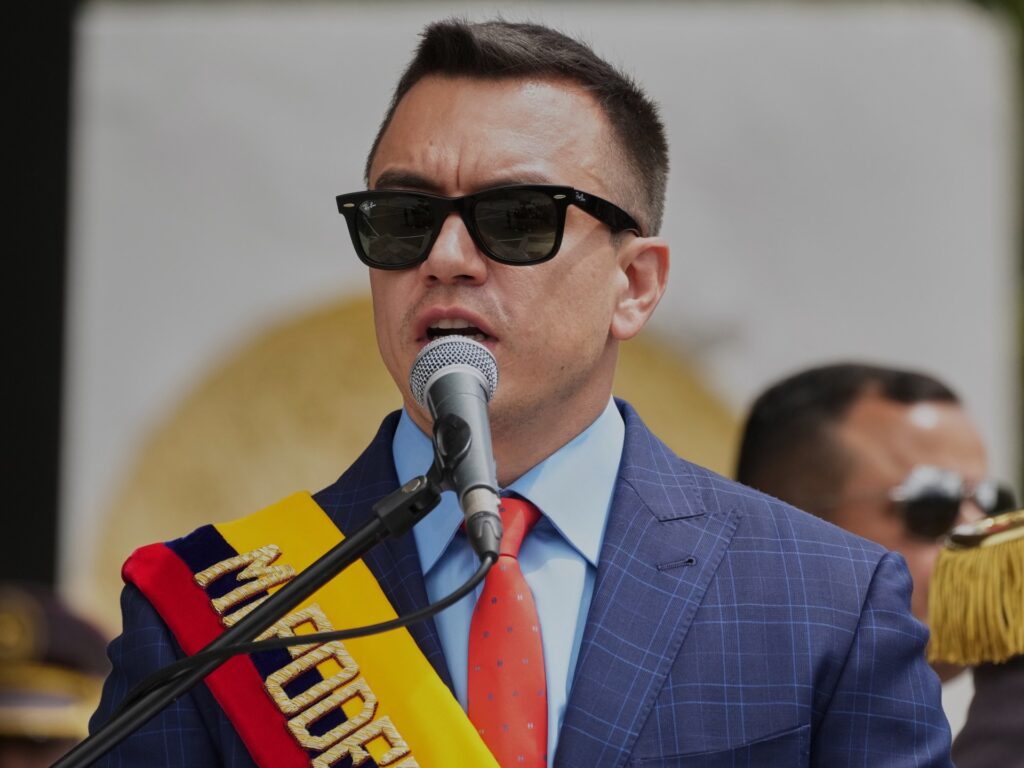
Ecuador has announced the imposition of a 30 percent tariff on imports from Colombia in a significant move amidst escalating concerns over drug trafficking between the two neighboring countries. President Daniel Noboa of Ecuador has cited the increasing drug trafficking issues, which have impacted security and economic stability in Ecuador, as a primary reason for this economic measure.
This decision marks a notable shift in Ecuador’s approach to its southern neighbor, reflecting growing tensions over cross-border challenges. President Noboa, who took office with a focus on strengthening diplomatic and economic ties with key international partners, has reportedly sought closer relations with former U.S. President Donald Trump. The intent behind this outreach appears to be geared towards garnering support for anti-drug trafficking initiatives and reinforcing Ecuador’s position in international cooperation against narcotics trade.
At the same time, President Noboa has not shied away from criticizing Colombia’s current left-wing leadership, expressing concerns over their handling of drug-related issues. This criticism underscores a broader geopolitical rift, as Ecuador aligns itself more firmly with right-leaning political allies and adopts a tougher stance on drug trafficking.
The implementation of a 30 percent tariff is expected to have significant economic repercussions for trade between Ecuador and Colombia, two countries that have traditionally maintained robust commercial relations. Analysts suggest that while the tariff may be intended as a pressure tactic to compel Colombia to take stronger action against drug trafficking, it could also lead to retaliatory measures from Colombia, potentially escalating diplomatic tensions.
Ecuador’s move is also seen within the context of the broader regional fight against drug trafficking. Both Ecuador and Colombia have been key transit countries in the narcotics trade, and their cooperation is crucial to the effectiveness of anti-drug policies in the region. However, geopolitical differences and domestic political considerations have complicated this cooperation.
President Noboa’s administration emphasizes the need for a comprehensive approach that includes international partnership, stricter border controls, and more aggressive law enforcement efforts to combat drug trafficking networks.
The announcement has generated mixed reactions domestically and internationally. Supporters say the tariff is a necessary step to protect Ecuador’s sovereignty and security, while critics warn it could harm consumers and businesses due to higher costs on Colombian goods.
As negotiations and diplomatic exchanges continue, the region watches closely to see how this economic dispute might evolve and what impact it will have on efforts to combat drug trafficking and maintain regional stability.
In summary, Ecuador’s decision to impose a 30 percent tariff on Colombia signals a toughened posture against drug trafficking, hinging on complex geopolitical alignments and a plea for stronger international collaboration. President Noboa’s dual strategy of seeking ties with figures like Donald Trump while criticizing Colombia’s left-wing leadership highlights the nuanced and often contentious landscape of Latin American politics in addressing security challenges.