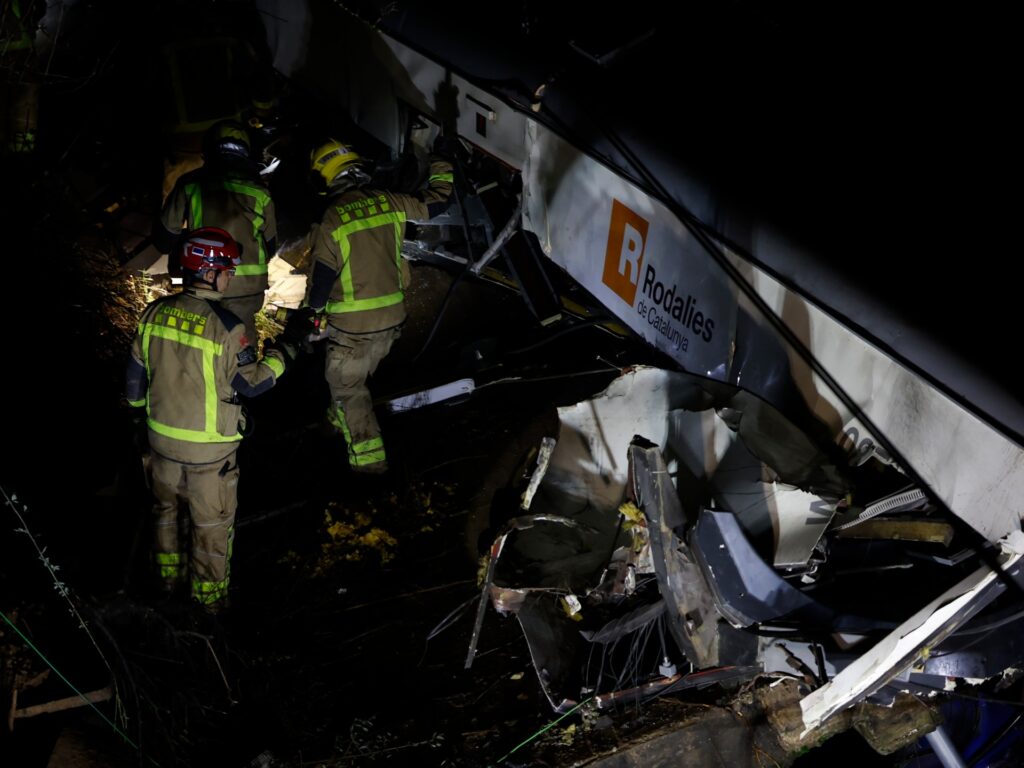
A tragic rail accident in Barcelona has claimed the life of one person and injured 37 others, compounding the sorrow in Spain following a previous deadly train wreck in the south of the country. This recent crash has sent shockwaves through the nation, which is already in mourning.
The incident occurred just days after a devastating train collision in southern Spain that resulted in the deaths of 42 people. The scale and frequency of these accidents have prompted deep national grief and concern over railway safety standards.
Authorities have confirmed that the Barcelona crash resulted in one fatality and left 37 passengers injured. Emergency services responded swiftly, providing medical attention and evacuating those affected to nearby hospitals. The injuries range from minor to serious, with several victims reported to be in critical condition.
The Spanish government has declared three days of national mourning to honor the victims of the previous deadly collision in the south, while also acknowledging the sorrow brought on by the latest tragedy in Barcelona.
Rail officials and safety inspectors are currently investigating the cause of the Barcelona accident. Preliminary reports suggest a possible technical failure or human error, but the exact circumstances remain under review.
This dual tragedy highlights ongoing concerns about rail safety in Spain and the urgent need for improved maintenance, stringent safety protocols, and better emergency preparedness to prevent future incidents.
Local communities, as well as the nation as a whole, are uniting in grief and support for the victims and their families. Memorial services and vigils are being held across the country.
The government has pledged to take immediate action to enhance rail safety and prevent further loss of life. Meanwhile, the public awaits the full results of the investigations to understand how such devastating accidents occurred in such close succession.
As Spain mourns these losses, the rail industry faces increased scrutiny and pressure to implement reforms and ensure the safety of its passengers moving forward.