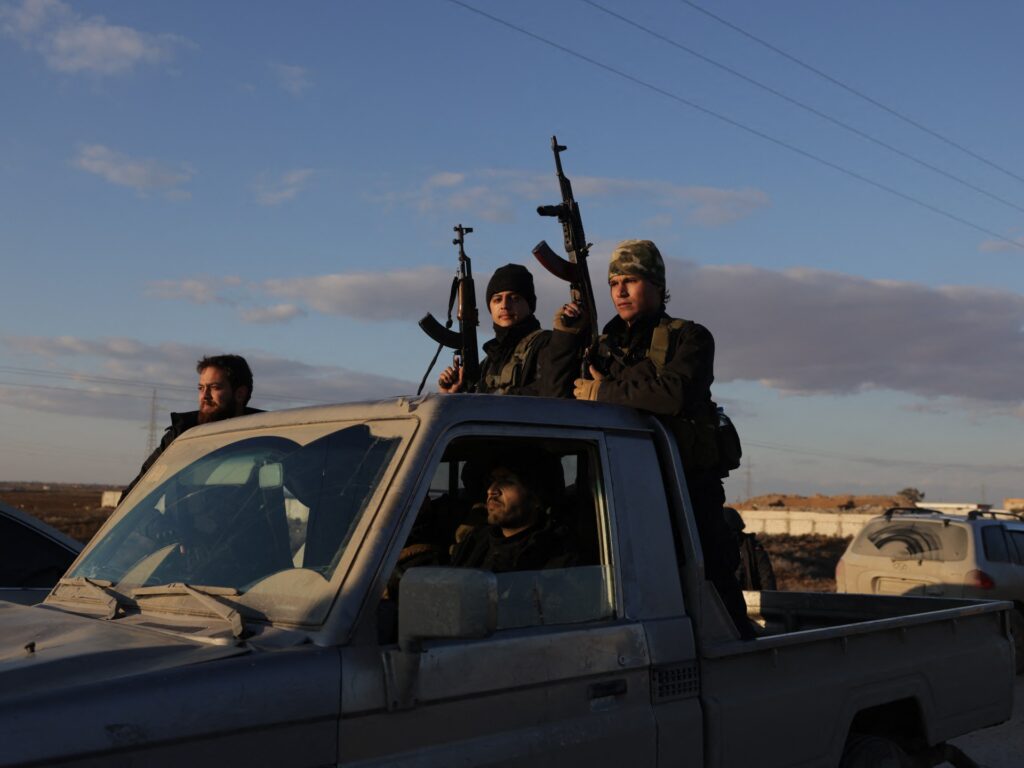
The ongoing conflict in Syria has taken a critical turn as the ceasefire currently in place faces significant challenges. The Syrian army has initiated movements into the city of Hasakah, a strategic and contested location in the northeastern region. This development comes amid a fragile and tenuous ceasefire agreement, raising concerns about the potential for renewed and intensified hostilities.
Simultaneously, a dramatic incident unfolded with the escape of approximately 200 detainees affiliated with the Islamic State of Iraq and the Levant (ISIL) from the al-Shaddadi prison. This breakout has exacerbated the already volatile situation in the region, triggering a wave of reciprocal accusations among involved parties regarding responsibility for the escape. Each side accuses the other of orchestrating or facilitating the escape as part of ongoing tit-for-tat allegations.
The Syrian army’s advance into Hasakah underscores the complexity and fluidity of the conflict, where territorial control is fiercely contested among government forces, Kurdish-led groups, and remnants of extremist factions such as ISIL. Hasakah, being a key urban center, holds both strategic and symbolic significance. The army’s movements are perceived as an attempt to consolidate control over the northeastern parts of Syria.
The prisoners’ escape from al-Shaddadi prison is particularly concerning as it not only represents a security breach but also the possibility of ISIL militants rejoining active combat zones or conducting terrorist activities. The precise circumstances that allowed such a large number of ISIL detainees to flee remain unclear, with each faction blaming the other, which further complicates efforts to address and contain the fallout.
The local Kurdish authorities, Syrian government forces, and international stakeholders have all condemned the prison break and expressed alarm over the deteriorating ceasefire. Diplomatic and military channels are reportedly engaged in discussions to prevent further escalation and to reassert control over the situation.
This latest episode in Syria’s multifaceted conflict highlights several key issues: the fragility of ceasefire agreements, the persistent threat posed by ISIL and other extremist groups, and the deep mistrust and rivalry between factions operating on the ground. The humanitarian impact of renewed fighting and instability in Hasakah and surrounding areas remains a significant concern, particularly for civilians caught in the crossfire.
As the situation continues to develop, international observers and humanitarian organizations urge all parties to exercise restraint, renew dialogue efforts, and prioritize the protection of civilian populations. The evolving dynamics in Hasakah will likely influence broader conflict trajectories in Syria, affecting peace prospects and regional stability in the months ahead.