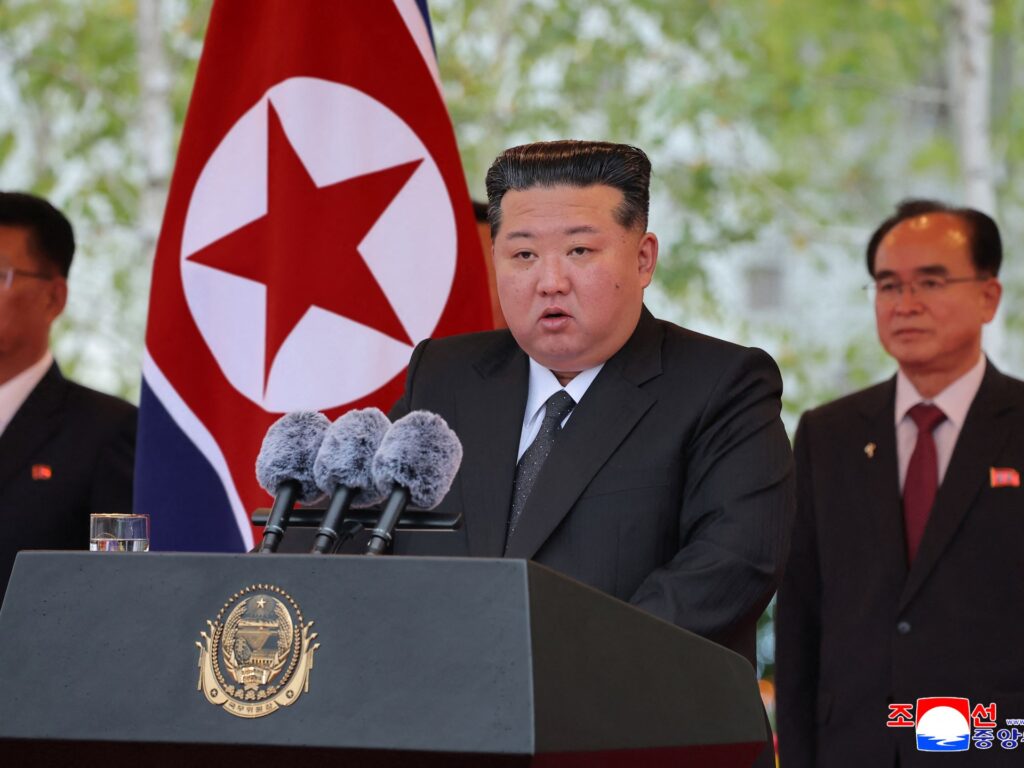
In a dramatic political move, North Korean leader Kim Jong Un has fired a vice premier and publicly scolded several high-ranking officials over what he described as incompetence and delays in government projects. The actions come just weeks ahead of a pivotal ruling party meeting, signaling Kim’s commitment to enforcing discipline and accelerating development within his administration.
Kim Jong Un’s public condemnation targeted members of the ruling Workers’ Party, highlighting a rare and explicit expression of dissatisfaction with officials who have failed to meet expectations. The leader criticized party members for causing unnecessary delays across various government initiatives, which are crucial for the country’s progress and international image.
This decision to remove a vice premier is notable in the tightly controlled political landscape of North Korea, where personnel changes can serve as signals of both internal power struggles and policy priorities. Kim’s strict stance demonstrates his determination to maintain tight control over the party and government operations.
The reprimand came during a high-profile inspection, where Kim reportedly expressed frustration with inefficiencies that have hindered the completion of strategic projects. This public rebuke serves as a warning to other officials that negligence and incompetence will not be tolerated, especially as the country prepares for significant party events that shape its future policies.
Analysts view Kim’s actions as part of a broader effort to reinforce loyalty and effectiveness within the ruling elite, ensuring that all departments align with his leadership goals. The timing is critical, as the upcoming party meeting is expected to set the agenda for North Korea’s domestic and foreign policy strategies.
The dismissal and criticism also underscore ongoing challenges within North Korea’s government apparatus, including resource constraints and the impact of international sanctions. Despite these hurdles, Kim’s move signals an urgent push for progress and improved governance.
Observers note that such public reprimands serve multiple purposes: they reinforce Kim’s authority, remind officials of their responsibilities, and send a message to the international community about the regime’s focus on internal strengthening and discipline.
Historically, North Korean leaders have occasionally reshuffled their cabinets or reprimanded officials to consolidate power and address shortcomings. Kim Jong Un continues this pattern but appears increasingly intolerant of underperformance as he seeks to solidify his legacy.
The fired vice premier’s identity and specific projects affected have not been disclosed, reflecting the regime’s usual secrecy. However, the incident provides insight into the pressures within the North Korean leadership as it navigates complex economic and political challenges.
In summary, Kim Jong Un’s recent dismissal of a vice premier and his public dressing-down of government officials highlight his uncompromising approach to leadership. By addressing delays and incompetence head-on, Kim sets a tone of strict accountability ahead of crucial political gatherings, emphasizing the importance of efficiency and loyalty in pursuing North Korea’s strategic goals.