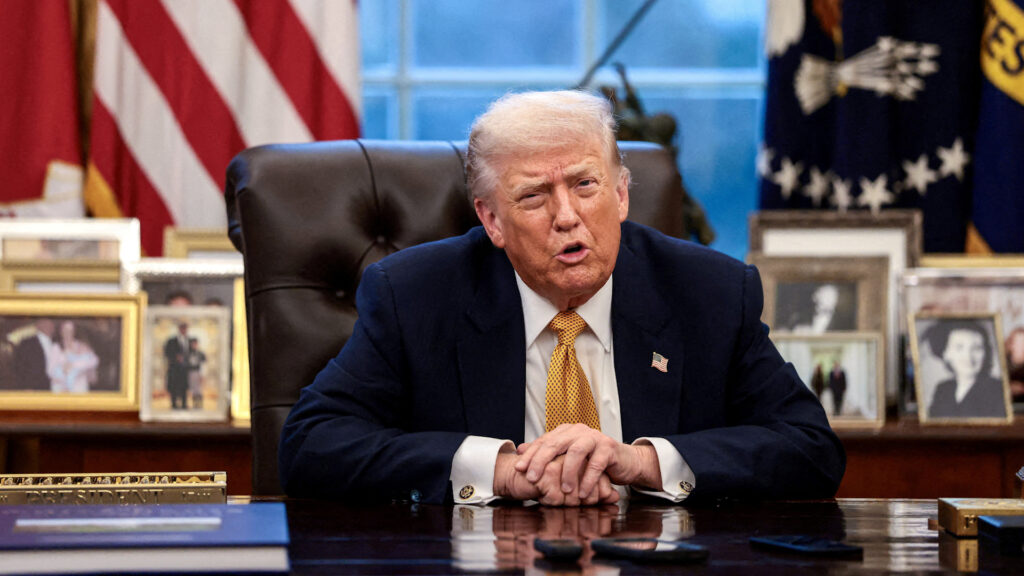
US President Donald Trump has recently unveiled a proposed initiative called the “Board of Peace,” aimed at spearheading the reconstruction and rebuilding efforts in the Gaza Strip. This proposal comes as part of a broader US strategy to contribute to peace and stability in the region, which has long been plagued by conflict and humanitarian challenges.
The “Board of Peace” is intended to function as a dedicated entity focused on coordinating reconstruction activities in Gaza, involving financial investment, infrastructure development, and humanitarian aid. According to officials supporting the idea, the board would bring together experts, international partners, and local stakeholders to ensure effective management and implementation of reconstruction projects.
Despite the optimistic framing by the Trump administration, the plan has drawn considerable skepticism both regionally and internationally. Critics question the feasibility of the board’s goals amidst ongoing political tensions between Hamas, the governing entity in Gaza, and Israel. Many also doubt the willingness of key players in Gaza to cooperate with a US-backed initiative, given the controversial nature of American policies in the Middle East.
Analysts point out that rebuilding Gaza requires not only financial investment but also a stable political environment and a cessation of hostilities. Without a comprehensive peace framework addressing broader conflicts, reconstruction efforts may falter or become politicized. There are also concerns about how the board would navigate governance challenges, ensure transparency, and avoid duplication of efforts with existing international organizations already working in Gaza.
The Board of Peace proposal also raises questions about the role of regional actors such as Egypt and the Palestinian Authority, both of whom have vested interests in Gaza’s future. Their participation or opposition could significantly influence the success or failure of the initiative.
International reaction has been mixed, with some countries expressing cautious support, whereas others have reiterated the need for an inclusive peace process that involves all parties in the Israel-Palestine conflict. Various humanitarian organizations have stressed the urgency of addressing immediate needs in Gaza, including access to healthcare, clean water, and electricity, while rebuilding efforts are planned and executed.
The Trump administration has emphasized that the Board of Peace would prioritize practical reconstruction goals over political disputes, aiming to deliver tangible improvements to the lives of Gaza residents. However, skeptics warn that without addressing fundamental political issues, the board’s work may have limited impact.
As the proposal moves forward, careful monitoring and assessment by international observers and stakeholders will be crucial in determining whether the Board of Peace can effectively contribute to Gaza’s reconstruction or if it will become another stalled initiative in the complex landscape of Middle Eastern peace efforts.