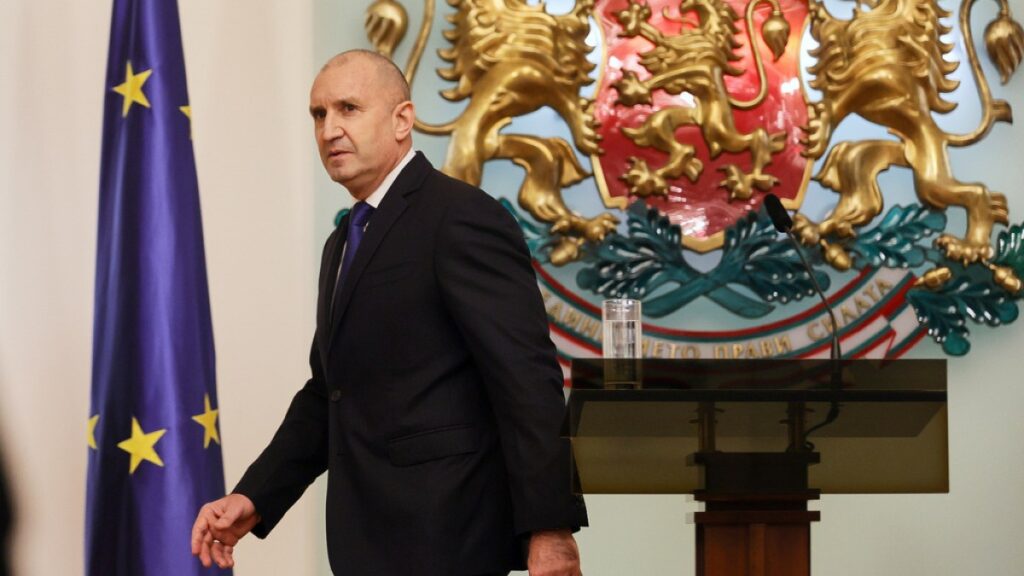
In a significant development in Bulgarian politics, President Rumen Radev has announced his decision to step down from his current post ahead of the forthcoming snap elections. This move has captured the attention of political analysts and citizens alike, signaling a potential shift in the nation’s political landscape.
President Radev, known for his robust leadership and influential presence in Bulgaria, is widely expected to form his own political party ahead of the upcoming snap vote. His resignation appears to be a strategic step, aimed possibly at positioning himself more effectively within the political arena as the country approaches the elections.
The snap elections, called earlier this year, have already been a focal point of intense political activity and debate. Radev’s departure from the presidency adds another layer of complexity and anticipation to the electoral process, as his new political ambitions could reshape alliances and voter dynamics.
Since taking office, President Radev has been a prominent figure in Bulgarian politics, outspoken on numerous domestic and international issues. His leadership style and policies have often sparked discussions and sometimes divisions within the political parties and the public.
The formation of his own political party could offer voters an alternative platform that leverages his existing support base and political influence. It remains to be seen what specific policies and principles will define this new political entity, but expectations are high given Radev’s track record.
This announcement comes at a critical juncture for Bulgaria, a country grappling with various economic, social, and geopolitical challenges. The leadership vacuum created by Radev’s resignation will need to be addressed swiftly to maintain political stability and ensure a smooth election process.
Political experts suggest that Radev’s move could either consolidate his power or create further fragmentation within Bulgaria’s political system, depending on how his new party aligns with existing parties and voters’ sentiments.
As the snap elections approach, all eyes will be on Rumen Radev and his political maneuvers. His next steps will be crucial in shaping the electoral outcomes and possibly the future of Bulgaria’s governance.
Citizens and international observers alike will be monitoring this development closely, awaiting detailed plans and strategies from Radev’s camp. The impact of his resignation and new political ambitions will undoubtedly be a defining theme of the upcoming election season.