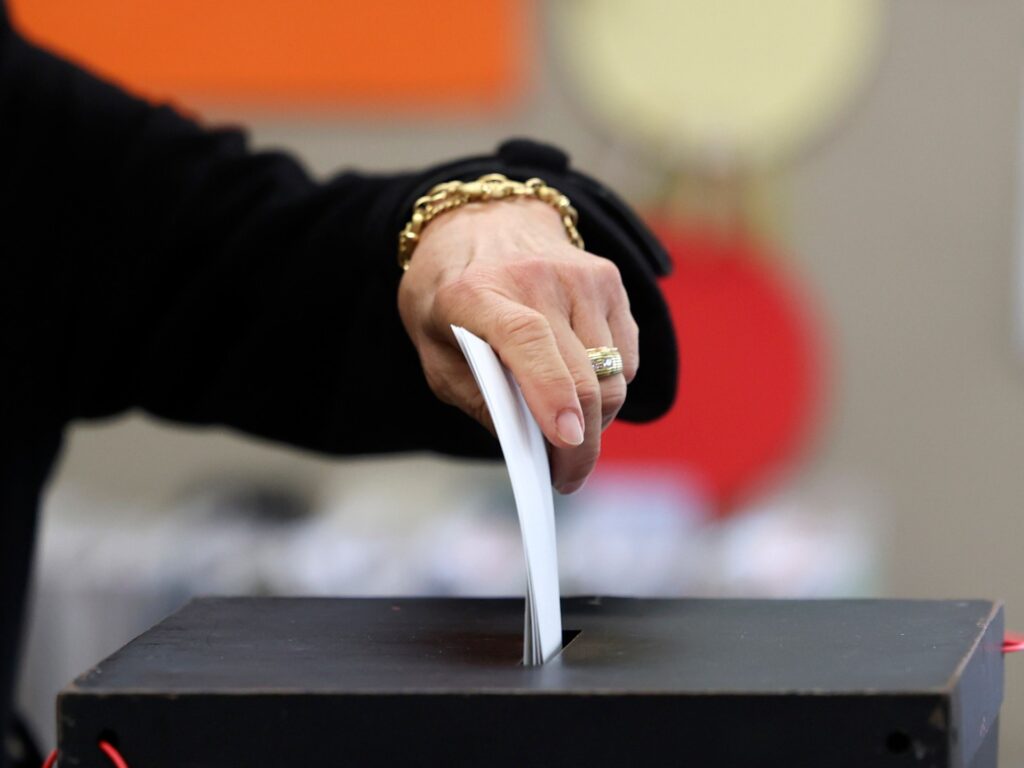
Portugal is currently witnessing a highly anticipated presidential election, with voters gearing up to elect a new head of state. Among the leading candidates is Andre Ventura, a prominent figure from the far-right spectrum. Ventura’s political presence has notably grown, with his party now holding the position of the second-largest faction in the Portuguese parliament.
The election has garnered significant attention both domestically and internationally due to the potential implications of a far-right victory. Ventura’s campaign has resonated with a segment of the Portuguese electorate, appealing to those seeking change from the traditional political landscape. His platform emphasizes nationalist policies, stricter immigration controls, and a focus on law and order.
Ventura’s rise marks a shift in Portuguese politics, where centrist and left-leaning parties have historically dominated. The far-right’s growing influence reflects broader trends seen across Europe, where similar parties have gained traction amid economic uncertainties and social challenges.
The presidential race is shaping up to be highly competitive, with other candidates representing various political ideologies striving to secure the presidency. Analysts note that the outcome will significantly impact Portugal’s domestic policies and international relations.
Voters are expected to turn out in large numbers, given the stakes involved. The election process includes measures to ensure transparency and fairness, aiming to uphold democratic principles.
Public discourse around the election has been intense, with debates focusing on the direction Portugal should take in the coming years. Issues such as economic recovery post-pandemic, social welfare, and national identity have dominated campaigns.
Should Ventura win the presidency, it would signal a notable shift in the country’s political trajectory, potentially influencing legislative agendas and Portugal’s role within the European Union.
Observers are keenly watching the electoral developments, recognizing the broader implications for European politics amidst a rising tide of populist movements.
As the election day approaches, the political landscape in Portugal remains dynamic, with all candidates intensifying their efforts to win voter support. The outcome will not only shape the nation’s future but also reflect changing political attitudes within Portuguese society.